+
Full Rail Rake Delivers Foodgrains to Kashmir Valley
RAILWAYS & METRO RAIL

Full Rail Rake Delivers Foodgrains to Kashmir Valley

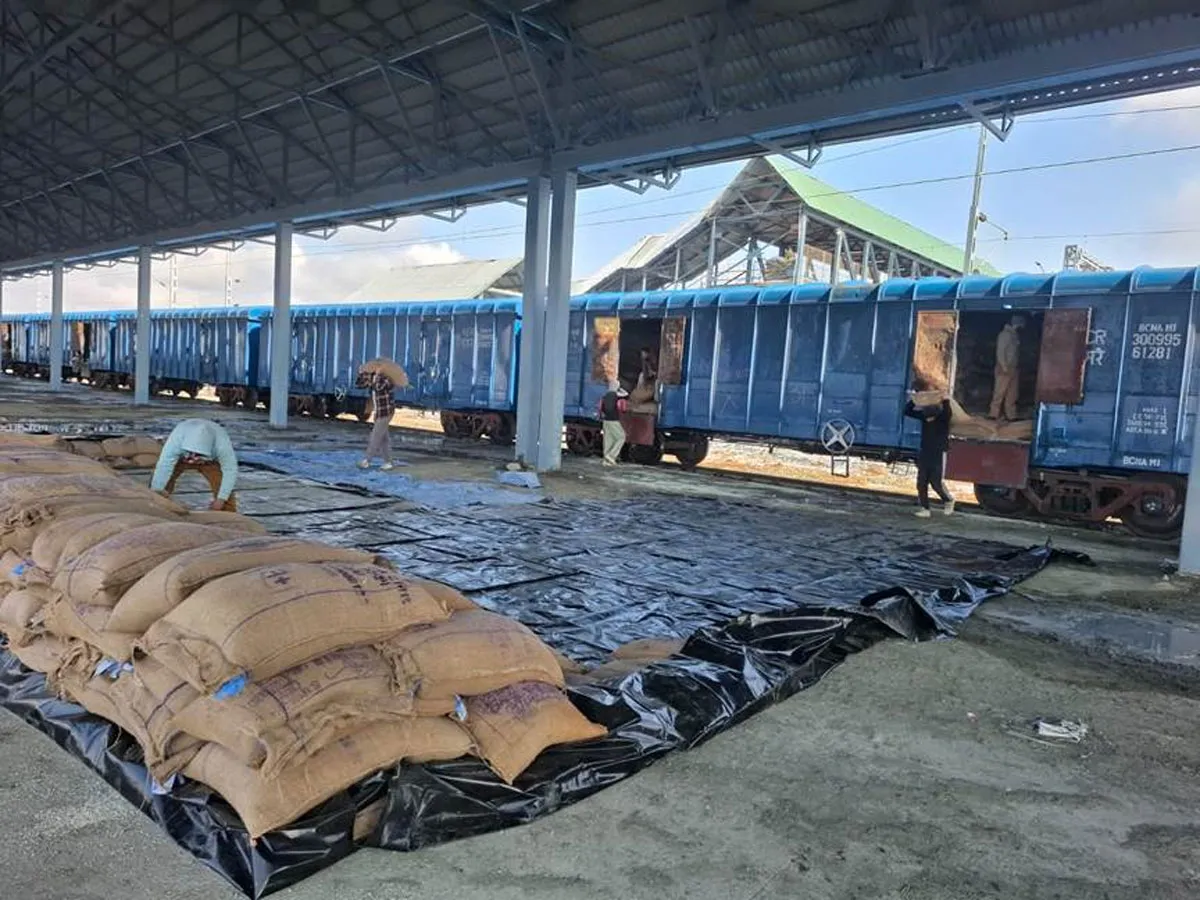
Indian Railways has recently achieved a major milestone in freight transportation to the Kashmir Valley with the arrival of the first full rake of foodgrains at Anantnag, reinforcing the region’s all-weather rail connectivity and improving supply chain resilience. A complete rake of 42 wagons carrying 2,768 metric tonnes of rice was transported to the Anantnag goods shed by rail, following close coordination with the Food Corporation of India to reduce logistics costs.

Earlier, foodgrain movement to the Valley by rail was limited to mini rakes of 21 wagons carrying around 1,384 metric tonnes. The latest consignment was loaded at the Sangrur rail terminal in Punjab and reached Anantnag within 24 hours, despite adverse weather conditions that had disrupted unloading activities a day earlier. The successful handling of the full rake has provided a significant boost to the foodgrain distribution network in the region.

The shift from mini rakes and road-based transport to full-capacity railway wagons is expected to substantially lower freight and logistics costs, while ensuring faster and more reliable movement of essential commodities. It will also help maintain adequate buffer stocks in the Valley during challenging weather conditions, improving foodgrain availability for local households.

Reduced dependence on heavy truck movement along national highways is expected to deliver environmental benefits and operational efficiencies. The successful transport of apples, cement, fertilisers and now foodgrains by rail highlights the growing role of rail-based logistics in supporting sustained economic activity and long-term supply chain stability in the region.

These developments underscore the transformative impact of the Udhampur–Srinagar–Baramulla Rail Link, one of the most ambitious railway engineering projects undertaken in independent India. Even during snowfall and harsh winter conditions, enhanced rail connectivity is strengthening trade and logistics in the Kashmir Valley, benefiting farmers, traders and households through dependable access to essential goods.

Indian Railways has recently achieved a major milestone in freight transportation to the Kashmir Valley with the arrival of the first full rake of foodgrains at Anantnag, reinforcing the region’s all-weather rail connectivity and improving supply chain resilience. A complete rake of 42 wagons carrying 2,768 metric tonnes of rice was transported to the Anantnag goods shed by rail, following close coordination with the Food Corporation of India to reduce logistics costs. Earlier, foodgrain movement to the Valley by rail was limited to mini rakes of 21 wagons carrying around 1,384 metric tonnes. The latest consignment was loaded at the Sangrur rail terminal in Punjab and reached Anantnag within 24 hours, despite adverse weather conditions that had disrupted unloading activities a day earlier. The successful handling of the full rake has provided a significant boost to the foodgrain distribution network in the region. The shift from mini rakes and road-based transport to full-capacity railway wagons is expected to substantially lower freight and logistics costs, while ensuring faster and more reliable movement of essential commodities. It will also help maintain adequate buffer stocks in the Valley during challenging weather conditions, improving foodgrain availability for local households. Reduced dependence on heavy truck movement along national highways is expected to deliver environmental benefits and operational efficiencies. The successful transport of apples, cement, fertilisers and now foodgrains by rail highlights the growing role of rail-based logistics in supporting sustained economic activity and long-term supply chain stability in the region. These developments underscore the transformative impact of the Udhampur–Srinagar–Baramulla Rail Link, one of the most ambitious railway engineering projects undertaken in independent India. Even during snowfall and harsh winter conditions, enhanced rail connectivity is strengthening trade and logistics in the Kashmir Valley, benefiting farmers, traders and households through dependable access to essential goods.

Next Story
Infrastructure Transport

Second Mountain Tunnel Breakthrough in Palghar Advances High Speed Rail

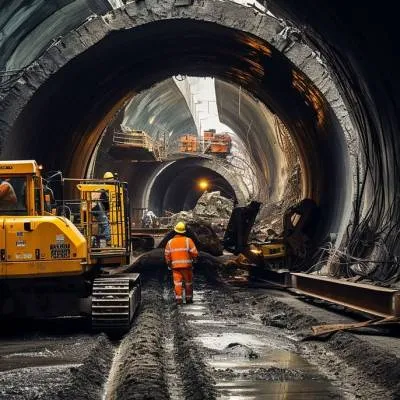
The Mumbai-Ahmedabad high speed rail (MAHSR) project reached a milestone with the breakthrough of a mountain tunnel in Palghar, Maharashtra. Mountain tunnel MT-six measures 454 metres long and 14.4 metres wide and will accommodate up and down tracks. The breakthrough follows MT-five near Saphale on second January 2026 and the MT-six excavation was completed from both ends using the New Austrian Tunnelling Method. The ministry reported that the tunnelling was completed within 12 months. The New Austrian Tunnelling Method is favoured for its flexibility in complex geology and irregular tunnel s..

Next Story
Infrastructure Transport

Modi Government Pushes Atmanirbhar Container Drive With BCSL MoU

The Union Government advanced a plan to create an integrated, domestically anchored container ecosystem with the signing of a Memorandum of Understanding to establish the Bharat Container Shipping Line (BCSL). The MoU was signed by key agencies including the Shipping Corporation of India and Container Corporation of India alongside major port authorities and Sagarmala Finance Corporation Limited under the Ministry of Ports, Shipping and Waterways, in the presence of senior ministers. The initiative aligns with the Container Manufacturing Assistance Scheme announced in the Union Budget 2026–2..

Next Story
Infrastructure Urban

Ministry Reports Gains In Mobility For Marginalised Communities

The Ministry of Social Justice and Empowerment is implementing skill development, education and rehabilitation schemes to promote socio-economic mobility and sustainable livelihoods for marginalised and disadvantaged communities across the country. Programmes target Scheduled Castes, Other Backward Classes, Economically Weaker Sections, De-notified Tribes and Safai Karamcharis through specialised implementing corporations and empanelled training institutes. Pradhan Mantri Dakshata Aur Kushalta Sampann Hitgrahi Yojana, or PM-DAKSH, provided skill training and placement support through the Nati..

Advertisement

Subscribe to Our Newsletter

Get daily newsletters around different themes from Construction world.

STAY CONNECTED

Advertisement

Advertisement

Advertisement

Open In App