India Flags Off First Hydrogen Powered Train
RAILWAYS & METRO RAIL

India Flags Off First Hydrogen Powered Train

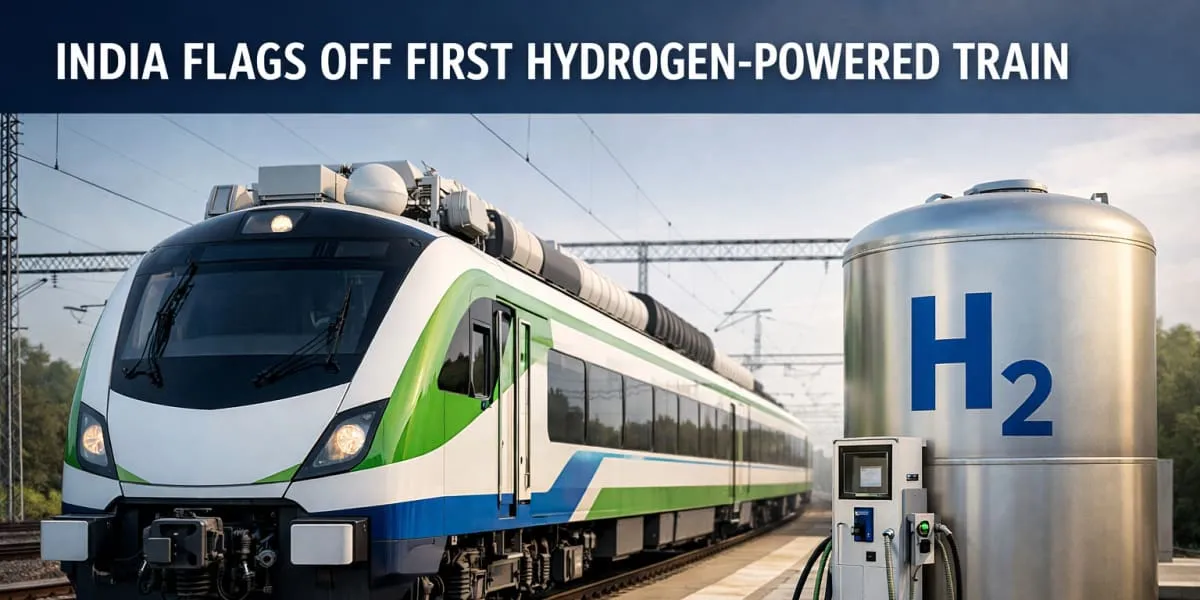
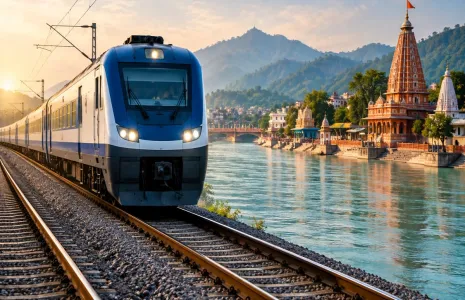
Prime Minister Narendra Modi flagged off India's first hydrogen-powered train, inaugurating a pilot service on the 89 km Jind Sonipat route in Haryana under Northern Railway (NR). The move was announced by Indian Railways (IR) as a first operational deployment of hydrogen fuel cell technology in the country. The pilot is intended to test performance, safety and infrastructure requirements before any wider adoption.

Unlike conventional diesel-powered trains, the hydrogen-powered unit generates electricity through fuel cells and emits only water as a by-product, offering a cleaner mode of traction. The project includes dedicated hydrogen storage and refuelling infrastructure to support operations and to evaluate logistics and safety protocols. Technical teams will monitor efficiency, range and maintenance needs during the trial phase. Staff will receive specialised training and emergency preparedness drills will accompany operational trials.

Mr Modi indicated on X that the launch places India among a small group of nations exploring hydrogen-powered rail solutions and that lessons from the pilot will inform future deployments. Officials referenced countries such as Germany, Japan, China and the United States as peers in developing hydrogen traction. The statement noted the demonstration is part of a wider push towards cleaner mobility and technological diversification in rail transport.

Observers said the pilot will provide data on commercial viability and integration challenges ahead of any network-wide rollout. The announcement comes alongside ongoing projects such as the Mumbai Ahmedabad bullet train, which officials say remains on track for a 2027 launch, signalling simultaneous efforts to modernise long distance passenger corridors. Regulators will assess standards and policymakers will consider incentives to support commercial uptake if outcomes prove favourable. If successful, the hydrogen pilot could underpin a phased transition for non-electrified routes and reduce reliance on diesel traction.

Prime Minister Narendra Modi flagged off India's first hydrogen-powered train, inaugurating a pilot service on the 89 km Jind Sonipat route in Haryana under Northern Railway (NR). The move was announced by Indian Railways (IR) as a first operational deployment of hydrogen fuel cell technology in the country. The pilot is intended to test performance, safety and infrastructure requirements before any wider adoption. Unlike conventional diesel-powered trains, the hydrogen-powered unit generates electricity through fuel cells and emits only water as a by-product, offering a cleaner mode of traction. The project includes dedicated hydrogen storage and refuelling infrastructure to support operations and to evaluate logistics and safety protocols. Technical teams will monitor efficiency, range and maintenance needs during the trial phase. Staff will receive specialised training and emergency preparedness drills will accompany operational trials. Mr Modi indicated on X that the launch places India among a small group of nations exploring hydrogen-powered rail solutions and that lessons from the pilot will inform future deployments. Officials referenced countries such as Germany, Japan, China and the United States as peers in developing hydrogen traction. The statement noted the demonstration is part of a wider push towards cleaner mobility and technological diversification in rail transport. Observers said the pilot will provide data on commercial viability and integration challenges ahead of any network-wide rollout. The announcement comes alongside ongoing projects such as the Mumbai Ahmedabad bullet train, which officials say remains on track for a 2027 launch, signalling simultaneous efforts to modernise long distance passenger corridors. Regulators will assess standards and policymakers will consider incentives to support commercial uptake if outcomes prove favourable. If successful, the hydrogen pilot could underpin a phased transition for non-electrified routes and reduce reliance on diesel traction.

Next Story
Real Estate

We will continue to invest in integrated commercial destinations: Amrita Gupta

Amrita Gupta, Director, Manglam Group and CEO, Manglam Spa and Resorts, speaks on how projects like Westin Jaipur Resort and Sheraton Jaipur are strengthening Manglam Group's integrated real estate and hospitality strategy.Manglam Group has announced a Rs 1,000 crore hospitality expansion in Rajasthan—what strategic vision is driving this next phase of growth?Hospitality has emerged as a defining pillar of Manglam Group’s long-term growth strategy, underpinned by a vision of creating destination-led experiences that transcend conventional hospitality. The genesis of this journey was The We..

Next Story
Infrastructure Energy

Batliboi Wins Rs 520 Mn Contract For Solar Cell Pollution Controls

Batliboi Limited has secured a major contract from SAEL Industries Limited to supply pollution control systems for a new solar cell manufacturing facility at Jewar in Uttar Pradesh. The order instructs Batliboi Limited's EEG Division to design, engineer, supply, install and commission a PEX system to support SAEL Industries Limited's six GW solar cell line. The contract is domestic in origin and was submitted to the stock exchanges under regulatory disclosure requirements. The contract value is Rs 520 mn, reflecting a substantial order for environmental control equipment for the manufacturing ..

Next Story
Infrastructure Urban

Delhi Approves PARIVARTAN Scheme To Replace Old Trucks And Buses

The Delhi government has approved the Programme for Accelerated Renewal and Incentivisation of Vehicle Assets for Reducing Transport Air Pollution and Network Emissions (PARIVARTAN) to cut transport-related emissions in the national capital. The scheme, supported by the Ministry of Road Transport and Highways (MoRTH), will phase out old, polluting trucks and buses and replace them with BS-VI, higher-emission-standard or electric vehicles. The initiative is intended to modernise the commercial vehicle fleet and strengthen the capital's clean transport system. Owners of Light Goods Vehicles that..

Advertisement

Subscribe to Our Newsletter

Get daily newsletters around different themes from Construction world.

STAY CONNECTED

Advertisement

Advertisement

Advertisement