+
Indian Railways Eyes 110 kmph For First Hydrogen Train
RAILWAYS & METRO RAIL

Indian Railways Eyes 110 kmph For First Hydrogen Train

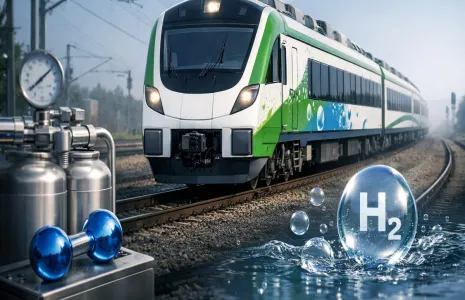
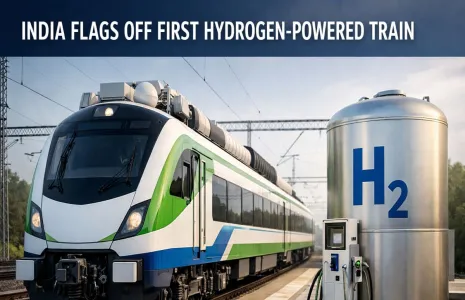
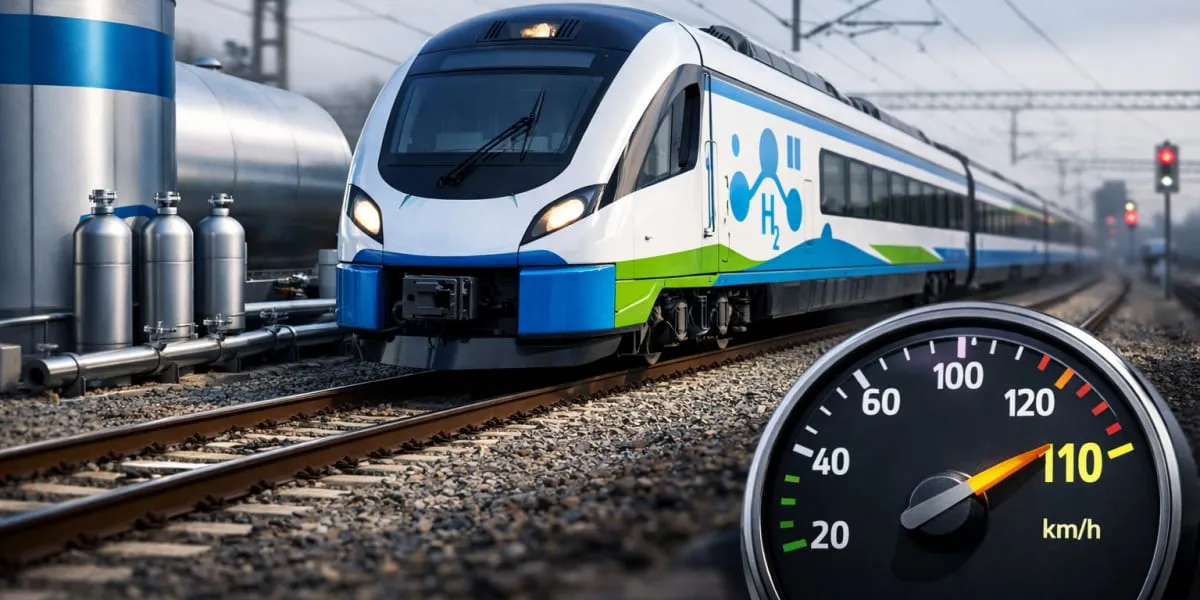
Indian Railways is working to run the country’s first hydrogen-powered train at maximum speeds of 110 kmph after trials at 120 kmph were completed, the Railway Board Chairman and chief executive said in Indore. Consultations are under way with stakeholders to identify suitable rail sections and to resolve technical issues and fuel supply arrangements before regular services are introduced. The Prime Minister had earlier flagged off the first hydrogen train, which is currently operating on the 89-km Jind-Sonipat route in Haryana.

The Hydrogen Fuel Cell Trainset generates electricity on board through a chemical reaction between hydrogen and oxygen, producing only water vapour and heat and avoiding combustion and tailpipe carbon emissions. This contrasts with conventional electric trains that draw power from overhead lines.

The Railways is also expanding Vande Bharat sleeper services, with 200 trains being manufactured under a public-private partnership and each train expected to take about one to one-and-a-half years to complete. The first Vande Bharat sleeper service is operating between Howrah and Kamakhya, four more trains have been completed and 11 more are expected this year. Officials said remaining manufacturing schedules and formal inaugurations are being planned.

Preparations are under way for the Simhastha festival in Ujjain in 2028, with plans to operate between 100 and 125 special trains and to strengthen infrastructure for the large religious gathering. Steps are being taken to tackle vermin on trains and to integrate artificial intelligence with CCTV systems to improve security at stations and on trains. Land acquisition for the Indore-Manmad railway line is progressing rapidly and the project, approved in the 2024-25 financial year, is expected to be completed in four to five years at an estimated cost of Rs 185 billion (bn).

Indian Railways is working to run the country’s first hydrogen-powered train at maximum speeds of 110 kmph after trials at 120 kmph were completed, the Railway Board Chairman and chief executive said in Indore. Consultations are under way with stakeholders to identify suitable rail sections and to resolve technical issues and fuel supply arrangements before regular services are introduced. The Prime Minister had earlier flagged off the first hydrogen train, which is currently operating on the 89-km Jind-Sonipat route in Haryana. The Hydrogen Fuel Cell Trainset generates electricity on board through a chemical reaction between hydrogen and oxygen, producing only water vapour and heat and avoiding combustion and tailpipe carbon emissions. This contrasts with conventional electric trains that draw power from overhead lines. The Railways is also expanding Vande Bharat sleeper services, with 200 trains being manufactured under a public-private partnership and each train expected to take about one to one-and-a-half years to complete. The first Vande Bharat sleeper service is operating between Howrah and Kamakhya, four more trains have been completed and 11 more are expected this year. Officials said remaining manufacturing schedules and formal inaugurations are being planned. Preparations are under way for the Simhastha festival in Ujjain in 2028, with plans to operate between 100 and 125 special trains and to strengthen infrastructure for the large religious gathering. Steps are being taken to tackle vermin on trains and to integrate artificial intelligence with CCTV systems to improve security at stations and on trains. Land acquisition for the Indore-Manmad railway line is progressing rapidly and the project, approved in the 2024-25 financial year, is expected to be completed in four to five years at an estimated cost of Rs 185 billion (bn).

Related Stories

Gold Stories

Next Story
Equipment

Radialisation is becoming increasingly important: Amit Tolani, CEAT

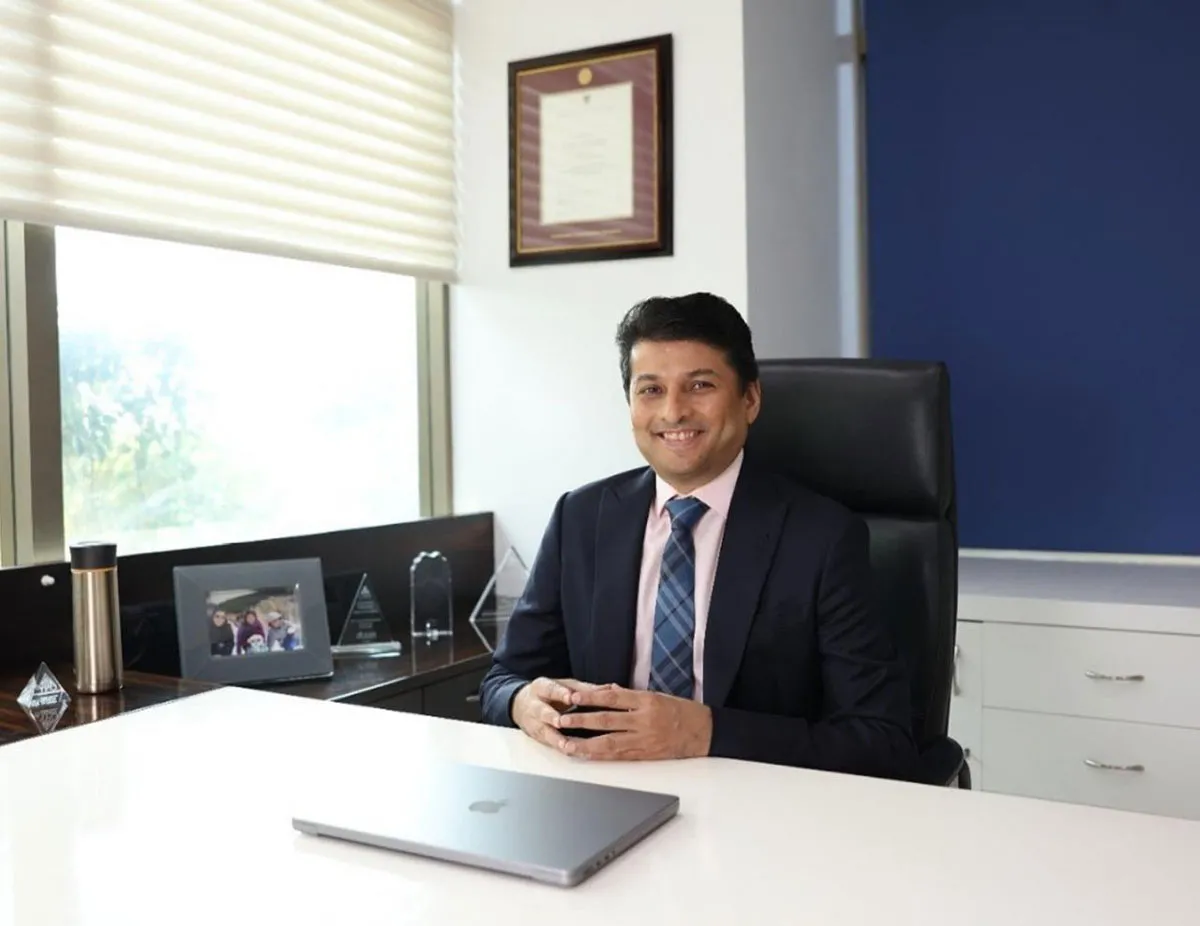
In a conversation with Ashlin Rajan, Amit Tolani, CEO, CEAT Specialty, discusses CEAT’s expanding off-highway tyre portfolio through Camso, the shift towards radialisation and the growing demands on construction equipment. He also shares insights into the company’s investments in automation, digitalisation, AI and sustainable manufacturing, as well as its plans to build more efficient and connected production capabilities. With Camso giving CEAT access to premium construction, agriculture, material-handling tyre and track segments, where do you see the biggest growth opportunity over ..

Next Story
Real Estate

MICL, Godrej Properties partner for Marine Lines project

Man Infraconstruction (MICL) has partnered with Godrej Properties Group for the development of a sea-facing residential project at Marine Lines in South Mumbai. The project has an estimated overall revenue potential of more than Rs 60 billion.Under the transaction, MICL, which was earlier the Development Manager for the project, has partnered with Godrej Properties for its development. The development rights jointly held by MICL and Shreepati Group have been transferred to Godrej Properties. MICL will continue to participate in the project through an agreed revenue-sharing arrangement.Spread a..

Next Story
Resources

Bharat Bijlee appoints Khushru Vakharia as MTM Vice President

Bharat Bijlee has appointed Khushru Vakharia as Vice President of its Magnet Technology Machines (MTM) Division, effective August 31, 2026. He succeeds R Rajaraman, who has retired as Division Head.The MTM Division is part of Bharat Bijlee’s Industrial Systems business and provides permanent magnet technology solutions, including the GreenStar range of gearless elevator machines for customers in India and international markets.Vakharia has more than 35 years of experience with Bharat Bijlee across manufacturing, strategic planning, operational procurement, plant engineering, quality assuranc..

Advertisement

Subscribe to Our Newsletter

Get daily newsletters around different themes from Construction world.

STAY CONNECTED

Advertisement

SPECIAL OFFER
QR Code