+
Kanpur Metro: UPMRC Conducts Trial Run On Line One
RAILWAYS & METRO RAIL

Kanpur Metro: UPMRC Conducts Trial Run On Line One

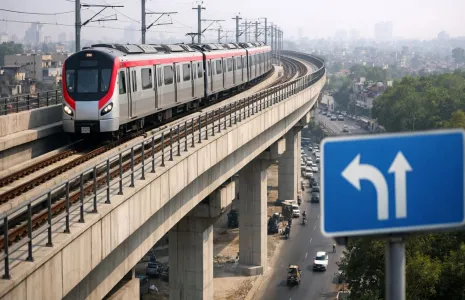
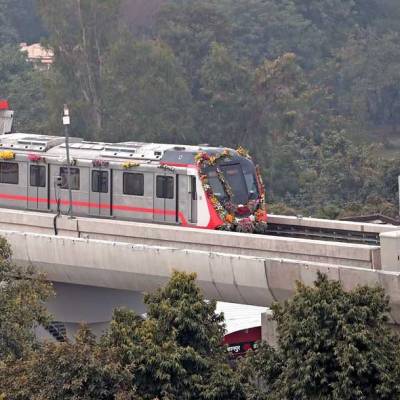
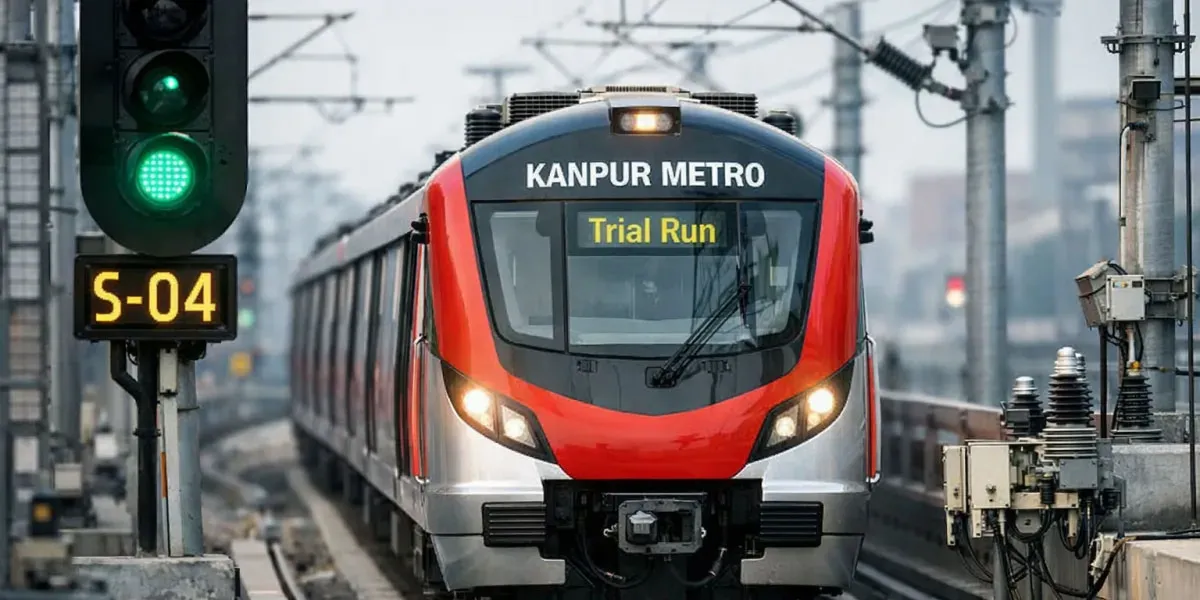
The Uttar Pradesh Metro Rail Corporation (UPMRC) conducted a trial run on Line one of the Kanpur Metro to evaluate rolling stock, track works and system integration. The exercise aimed to assess the interaction between trains and signalling, power supply and station interfaces under operational conditions. Engineers and operations staff monitored vehicle behaviour, ride quality and subsystem responses while simulating routine service patterns. The trial run formed part of a phased approach towards readiness for passenger service.

Tests encompassed signalling reliability, communication links, traction supply and braking systems as well as door operation and platform alignment. Data collection focussed on acceleration profiles, deceleration behaviour and energy consumption patterns to verify design expectations. Control centre procedures were exercised to confirm train regulation, incident management and crew coordination. The trial also provided opportunities for staff familiarisation with operational protocols and emergency drills.

Safety audits and inspections by internal teams evaluated signalling interlocks, track geometry and station readiness to ensure compliance with prescribed norms. Simulated service scenarios tested turnaround times, dwell durations and passenger flow management without carrying actual commuters. Maintenance teams assessed accessibility of critical components and validated routines for defect reporting and rectification. Observations from the trial were compiled into technical reports to inform remedial works and final certification processes.

Following analysis, authorities will decide on further test iterations and regulatory clearance before commencing commercial operations. Stakeholder coordination with municipal agencies and emergency services formed part of the preparatory measures to support safe launch. Communications to commuters on service patterns, fares and safety instructions will be released ahead of revenue service to ensure preparedness. The UPMRC stated that the phased testing regime aimed to deliver a reliable and safe urban transit option for Kanpur residents.

The Uttar Pradesh Metro Rail Corporation (UPMRC) conducted a trial run on Line one of the Kanpur Metro to evaluate rolling stock, track works and system integration. The exercise aimed to assess the interaction between trains and signalling, power supply and station interfaces under operational conditions. Engineers and operations staff monitored vehicle behaviour, ride quality and subsystem responses while simulating routine service patterns. The trial run formed part of a phased approach towards readiness for passenger service. Tests encompassed signalling reliability, communication links, traction supply and braking systems as well as door operation and platform alignment. Data collection focussed on acceleration profiles, deceleration behaviour and energy consumption patterns to verify design expectations. Control centre procedures were exercised to confirm train regulation, incident management and crew coordination. The trial also provided opportunities for staff familiarisation with operational protocols and emergency drills. Safety audits and inspections by internal teams evaluated signalling interlocks, track geometry and station readiness to ensure compliance with prescribed norms. Simulated service scenarios tested turnaround times, dwell durations and passenger flow management without carrying actual commuters. Maintenance teams assessed accessibility of critical components and validated routines for defect reporting and rectification. Observations from the trial were compiled into technical reports to inform remedial works and final certification processes. Following analysis, authorities will decide on further test iterations and regulatory clearance before commencing commercial operations. Stakeholder coordination with municipal agencies and emergency services formed part of the preparatory measures to support safe launch. Communications to commuters on service patterns, fares and safety instructions will be released ahead of revenue service to ensure preparedness. The UPMRC stated that the phased testing regime aimed to deliver a reliable and safe urban transit option for Kanpur residents.

Next Story
Infrastructure Urban

Implementation Status of Jal Jeevan Mission

Since August 2019 the Government has implemented Jal Jeevan Mission to provide assured potable water through household tap connections in rural India. At the start of the mission only 32.3 million (mn) rural households, representing 16.7 per cent, were reported to have tap water connections. States and union territories have reported that 125.8 mn additional rural households have since been provided with tap connections. As a result, of about 193.6 mn rural households roughly 158.2 mn, or 81.71 per cent, are reported to have tap water supply at home.\n\nThe State, district and village level st..

Next Story
Infrastructure Urban

Jal Jeevan Mission Reaches Eighty One Per Cent Rural Coverage

The Government reported substantial progress under the Jal Jeevan Mission, launched in August 2019 to provide tap water to every rural household. At launch only 32.3 million (mn) rural households had tap connections and states and Union territories reported provision of 125.8 mn additional households by March 2026. Consequently, out of about 193.6 mn rural households around 158.2 mn, or 81.71 per cent, are reported to have tap water at home. The Finance Minister announced extension of the mission until 2028 in the 2025-26 budget speech. The Swachh Bharat Mission Grameen, launched in October 20..

Next Story
Infrastructure Urban

Empowering Local Governance for Sustainable Rural Water Supply

The Ministry of Jal Shakti has aligned the Jal Jeevan Mission (JJM) with the 73rd Amendment to strengthen village level planning and community ownership of water supply. Gram Panchayats, village water and sanitation committees and Pani Samitis are to plan, implement, manage and maintain piped water systems, with gram sabha processes formalising handover and oversight. Implementation support agencies including non government organisations, community based organisations and self help groups have been empanelled to train local committees and promote women participation. Under JJM, the department ..

Advertisement

Subscribe to Our Newsletter

Get daily newsletters around different themes from Construction world.

STAY CONNECTED

Advertisement

Advertisement

Advertisement