+
Magenta Line to Become Delhi Metro's Longest Corridor
RAILWAYS & METRO RAIL

Magenta Line to Become Delhi Metro's Longest Corridor

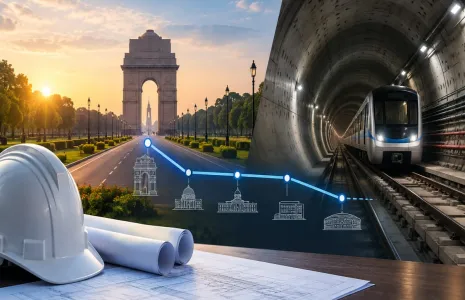
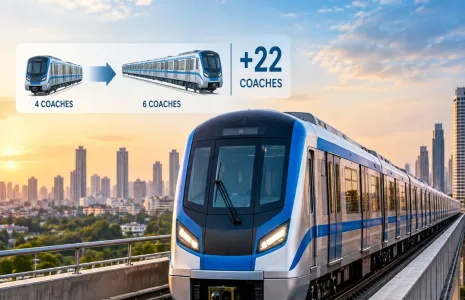
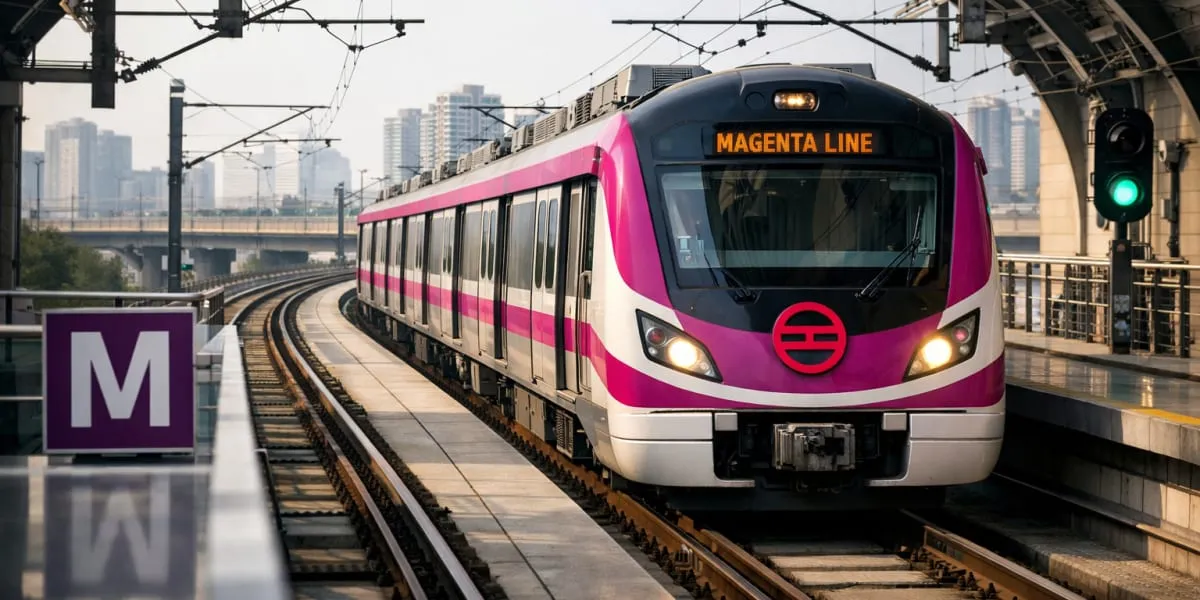
The Delhi Metro Rail Corporation (DMRC) will see the Magenta Line become the system's longest corridor, stretching 89 km after the planned extension. The development will extend the line's reach across the city and is expected to alter travel patterns for daily commuters. DMRC officials described the expansion as a significant milestone in urban transit planning. The expansion aligns with broader city plans to prioritise sustainable mass transit solutions.

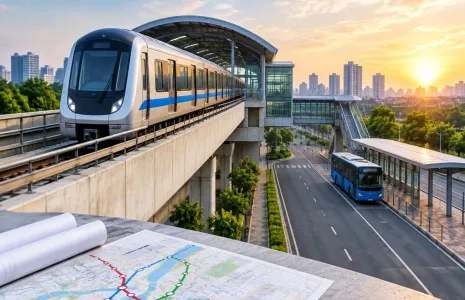
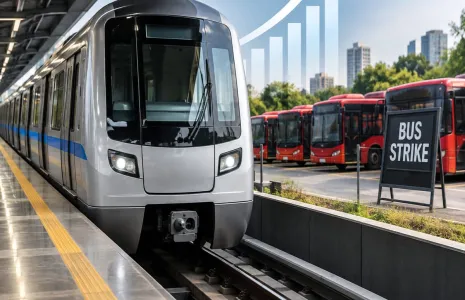
The extension will improve connectivity between residential suburbs and commercial hubs, creating new interchange points with several existing lines and other modes of transport. Planners anticipate that the extended corridor will reduce journey times on parallel road routes and ease pressure on bus services. The project aims to provide more direct journeys and reduce the need for multiple transfers. Transport analysts note that such additions typically encourage modal shift from private vehicles to public transit.

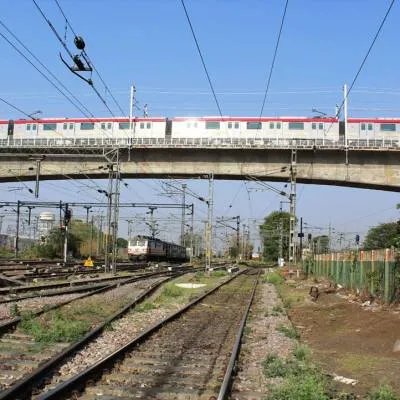
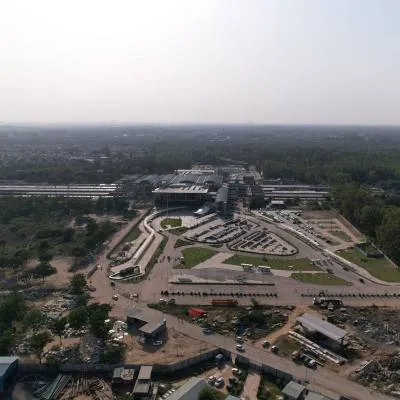
Construction of the extension has involved tunnelling, elevated viaducts and integration with existing infrastructure, requiring careful coordination to minimise disruption. Works have included upgrades to signalling and station facilities to handle increased passenger volumes and to maintain safety standards. The operational plan will focus on maintaining high frequency during peak hours and ensuring timely maintenance to preserve reliability. The extension will also aim to improve accessibility for passengers with reduced mobility.

City planners expect the longer corridor to support economic activity by improving access to employment and educational centres and by encouraging transit oriented development around stations. Environmental benefits are anticipated through lower vehicle emissions as commuters switch to the metro for routine trips. DMRC indicated that the corridor expansion is part of a broader strategy to enhance public transport capacity and resilience. Officials expect phased commissioning to allow gradual service increases while monitoring performance and passenger feedback.

The Delhi Metro Rail Corporation (DMRC) will see the Magenta Line become the system's longest corridor, stretching 89 km after the planned extension. The development will extend the line's reach across the city and is expected to alter travel patterns for daily commuters. DMRC officials described the expansion as a significant milestone in urban transit planning. The expansion aligns with broader city plans to prioritise sustainable mass transit solutions. The extension will improve connectivity between residential suburbs and commercial hubs, creating new interchange points with several existing lines and other modes of transport. Planners anticipate that the extended corridor will reduce journey times on parallel road routes and ease pressure on bus services. The project aims to provide more direct journeys and reduce the need for multiple transfers. Transport analysts note that such additions typically encourage modal shift from private vehicles to public transit. Construction of the extension has involved tunnelling, elevated viaducts and integration with existing infrastructure, requiring careful coordination to minimise disruption. Works have included upgrades to signalling and station facilities to handle increased passenger volumes and to maintain safety standards. The operational plan will focus on maintaining high frequency during peak hours and ensuring timely maintenance to preserve reliability. The extension will also aim to improve accessibility for passengers with reduced mobility. City planners expect the longer corridor to support economic activity by improving access to employment and educational centres and by encouraging transit oriented development around stations. Environmental benefits are anticipated through lower vehicle emissions as commuters switch to the metro for routine trips. DMRC indicated that the corridor expansion is part of a broader strategy to enhance public transport capacity and resilience. Officials expect phased commissioning to allow gradual service increases while monitoring performance and passenger feedback.

Next Story
Real Estate

Casagrand Launches Keystone In Tiruppur

Casagrand has launched Casagrand Keystone, a gated residential development at Rakkiyapalayam, off Avinashi Road, in Tiruppur. Spread across 2.2 acres, the B+G+5 structure comprises 142 units of 2 and 3 BHK homes, supported by 48 indoor and outdoor amenities. The project is introduced at a starting price of Rs 5,199 per sq. ft. The development allocates 1.3 acres to open space, including a central park of about 24,500 sq. ft. A 6,800 sq. ft. clubhouse includes a multipurpose hall, mini theatre and indoor recreation facilities. Other amenities include a 5,100 sq. ft. swimming pool, poolside par..

Next Story
Real Estate

Premium homes account for half of India’s housing sales in 2025

Knight Frank India, in its latest report on India’s office and residential property market, has highlighted a significant shift in housing demand, with homes priced above Rs 10 million accounting for 50 per cent of total residential sales across the top eight cities in 2025. The findings underscore the growing dominance of premium housing in the country’s real estate landscape.Out of 348,247 residential units sold during the year, approximately 175,091 units were in the Rs 10 million-plus category, marking a 14 per cent year-on-year increase. The data reflects changing buyer preferences, w..

Next Story
Infrastructure Energy

Xbattery launches XB-5K energy storage system for homes, offices

Xbattery, a Hyderabad-based deep-tech company specialising in next-generation energy storage and battery management technologies, has introduced its flagship XB-5K, a scalable 5kWh energy storage system designed for homes and offices in India.The XB-5K is built on the company’s indigenously developed BharatBMS platform, described as India’s first universal high-voltage battery management system architecture aimed at reducing import dependence and improving after-sales service capabilities. The launch comes as India seeks to strengthen domestic manufacturing and address reliance on imported..

Advertisement

Subscribe to Our Newsletter

Get daily newsletters around different themes from Construction world.

STAY CONNECTED

Advertisement

Advertisement

Advertisement

Open In App