Moneylife Flags Accessibility Gaps On Mumbai Metro Line Three
RAILWAYS & METRO RAIL

Moneylife Flags Accessibility Gaps On Mumbai Metro Line Three

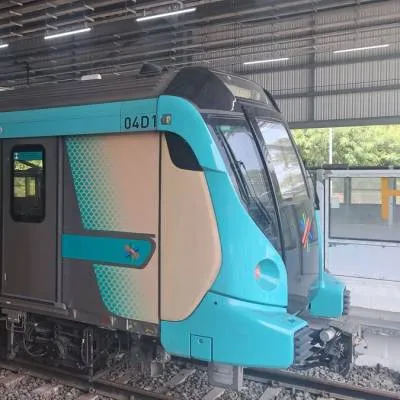
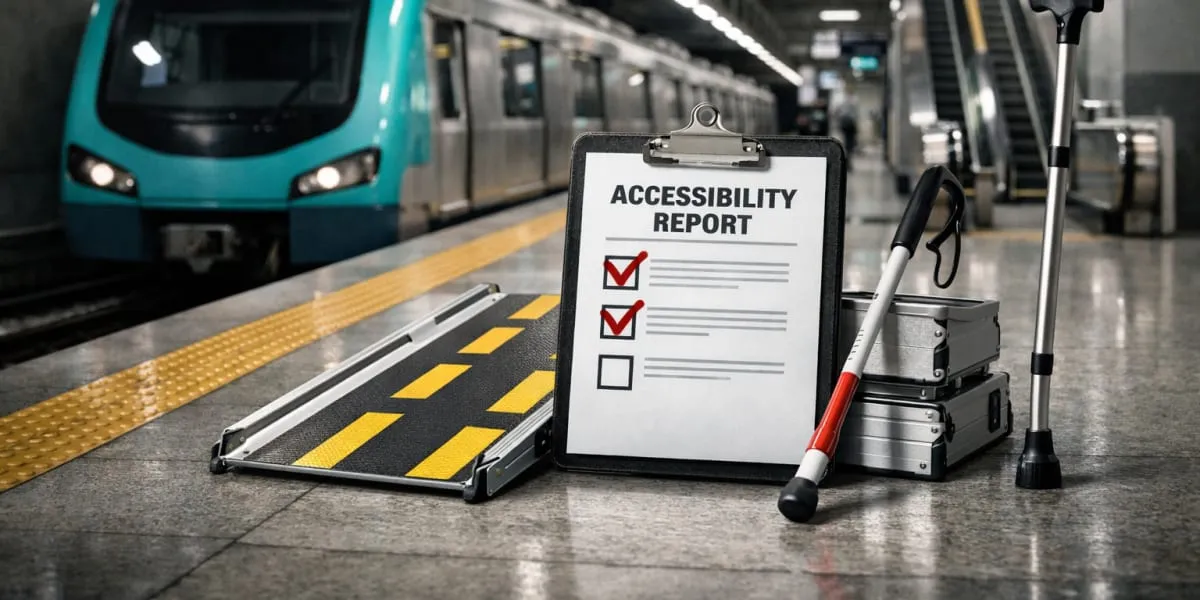
An independent study by Moneylife Foundation assessing the accessibility and user-friendliness of Mumbai Metro Aqua Line, Line three, was released on eight July 2026 and circulated to central and local urban transport bodies. The study evaluated all 27 stations through detailed field visits, commuter surveys and consultations with experts in accessibility, transport planning and urban mobility. It concentrated on everyday commuter experience with particular attention to senior citizens, persons with disabilities, families travelling with young children and passengers carrying luggage.

While recognising Line three as a significant addition to the city's transport network, the report finds wide variation in accessibility across station exits and identifies several straightforward interventions that could substantially improve convenience. A prominent finding is the limited availability of downward escalators at exits; most stations have lifts and escalators but the latter are frequently configured for upward movement, forcing many entrants to negotiate long flights of stairs. The study observes that this configuration imposes avoidable difficulties for older commuters and those with mobility constraints or luggage.

Researchers documented a considerable stair burden at numerous exits, with some requiring commuters to climb what effectively amounts to multiple storeys, and noted that lifts are not always an accessible option for all users. Last-mile connectivity emerged as a major concern, with respondents reporting poor access to buses, auto-rickshaws and taxis and weak integration with surrounding transport infrastructure. The report also highlights scope to strengthen wayfinding and accessibility information to assist first-time users and those with mobility challenges.

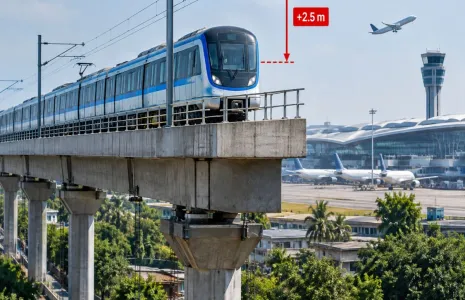
Airport stations present distinct challenges, including long walking distances, limited trolley availability and complex navigation between terminals and metro premises, which complicates travel for those carrying luggage. The foundation recommends expanding downward escalator provision where feasible, improving signage and wayfinding, enhancing integration with other public transport and embedding universal accessibility principles in future projects. Field research was conducted by two interns from Ashoka University under the foundation's guidance, and copies of the report have been shared with relevant authorities for consideration.

An independent study by Moneylife Foundation assessing the accessibility and user-friendliness of Mumbai Metro Aqua Line, Line three, was released on eight July 2026 and circulated to central and local urban transport bodies. The study evaluated all 27 stations through detailed field visits, commuter surveys and consultations with experts in accessibility, transport planning and urban mobility. It concentrated on everyday commuter experience with particular attention to senior citizens, persons with disabilities, families travelling with young children and passengers carrying luggage. While recognising Line three as a significant addition to the city's transport network, the report finds wide variation in accessibility across station exits and identifies several straightforward interventions that could substantially improve convenience. A prominent finding is the limited availability of downward escalators at exits; most stations have lifts and escalators but the latter are frequently configured for upward movement, forcing many entrants to negotiate long flights of stairs. The study observes that this configuration imposes avoidable difficulties for older commuters and those with mobility constraints or luggage. Researchers documented a considerable stair burden at numerous exits, with some requiring commuters to climb what effectively amounts to multiple storeys, and noted that lifts are not always an accessible option for all users. Last-mile connectivity emerged as a major concern, with respondents reporting poor access to buses, auto-rickshaws and taxis and weak integration with surrounding transport infrastructure. The report also highlights scope to strengthen wayfinding and accessibility information to assist first-time users and those with mobility challenges. Airport stations present distinct challenges, including long walking distances, limited trolley availability and complex navigation between terminals and metro premises, which complicates travel for those carrying luggage. The foundation recommends expanding downward escalator provision where feasible, improving signage and wayfinding, enhancing integration with other public transport and embedding universal accessibility principles in future projects. Field research was conducted by two interns from Ashoka University under the foundation's guidance, and copies of the report have been shared with relevant authorities for consideration.

Related Stories

Gold Stories

Next Story
Infrastructure Urban

NABARD, NaBFID Partner to Fund Rural Infrastructure

The National Bank for Agriculture and Rural Development (NABARD) and the National Bank for Financing Infrastructure and Development (NaBFID) have signed a Memorandum of Understanding (MoU) to collaborate on financing infrastructure projects with significant rural impact.The partnership combines NABARD’s expertise in rural and agricultural infrastructure with NaBFID’s specialised infrastructure financing capabilities. It will focus on joint financing, knowledge sharing and developing financing solutions to improve access to long-term, competitively priced capital for rural infrastructure an..

Next Story
Infrastructure Energy

Advait Energy Wins Rs 1.34 Billion MPPTCL Order

Advait Energy Transitions (AETL) has secured a Rs 1.34 billion turnkey contract from Madhya Pradesh Power Transmission Co. Ltd. (MPPTCL) for the design, manufacturing and supply of Emergency Restoration Systems (ERS) for 400kV, 220kV and 132kV EHV transmission lines.The order, received against Tender No. TR-23/2025 on August 25, 2026, will be executed over 18 months. The contract value, inclusive of taxes, covers the complete ERS along with the required accessories.Emergency Restoration Systems are used to restore transmission infrastructure following disruptions, helping maintain continuity a..

Next Story
Real Estate

Gradiant expands Coimbatore engineering centre

Gradiant has expanded its Global Engineering Center (GEC) in Coimbatore, more than doubling its engineering workforce from approximately 100 to over 200 professionals as it strengthens its global project execution capabilities.The expanded centre will bring together multidisciplinary expertise across process engineering, detailed design and project engineering, enabling the India team to take on greater responsibility for the engineering and design of Gradiant’s international projects.According to Govind Alagappan, COO, Gradiant, Coimbatore’s engineering talent and industrial heritage make..

Advertisement

Subscribe to Our Newsletter

Get daily newsletters around different themes from Construction world.

STAY CONNECTED

Advertisement