Mumbai Metro Three Plans Underground Pedestrian Tunnel Network
RAILWAYS & METRO RAIL

Mumbai Metro Three Plans Underground Pedestrian Tunnel Network

Mumbai Metro Line Three, also known as the Aqua Line, is advancing plans for an extensive underground pedestrian network linking major locations in south central Mumbai. The proposed scheme would create a series of subterranean walkways branching from key stations to nearby office complexes, public spaces and transport hubs. Mumbai Metro Rail Corporation Limited (MMRCL) has invited bids for design and project management consultancy services to build the tunnels and associated station vestibules. The network is expected to span close to three km in total.

Two tunnels are proposed to originate from the Science Centre station. One corridor would run approximately one point one km towards the Worli promenade through the Mahalaxmi Racecourse area, while a 500-metre link would connect the station with the Nehru Planetarium. Separately, a longer underground passage of around one point four km is proposed from the Bandra Kurla Complex (BKC) station to the planned high speed rail terminal near the Diamond Bourse. The layout aims to provide direct access to commercial buildings and public destinations.

Planners envisage the links will allow commuters to move seamlessly between mass transit and workplaces without surface congestion. The corridors are intended to integrate with transit oriented development policies by encouraging developers to physically connect buildings to nearby metro stations. Urban mobility experts cited in preliminary documents suggested such infrastructure could transform movement patterns across dense business districts. The proposals also aim to improve pedestrian safety and shelter from monsoon conditions.

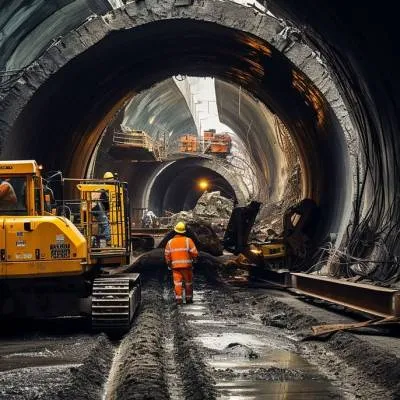
Implementation will depend on contract awards and detailed design work to address construction complexity under existing structures and open spaces. MMRCL will manage interfaces with municipal authorities, utilities and property owners to align tunnelling with urban planning objectives. Project proponents anticipate that, once complete, the subterranean links will change commuter flows and support broader efforts to reduce surface traffic in the city centre. Timelines remain subject to procurement outcomes and regulatory clearances.

Mumbai Metro Line Three, also known as the Aqua Line, is advancing plans for an extensive underground pedestrian network linking major locations in south central Mumbai. The proposed scheme would create a series of subterranean walkways branching from key stations to nearby office complexes, public spaces and transport hubs. Mumbai Metro Rail Corporation Limited (MMRCL) has invited bids for design and project management consultancy services to build the tunnels and associated station vestibules. The network is expected to span close to three km in total. Two tunnels are proposed to originate from the Science Centre station. One corridor would run approximately one point one km towards the Worli promenade through the Mahalaxmi Racecourse area, while a 500-metre link would connect the station with the Nehru Planetarium. Separately, a longer underground passage of around one point four km is proposed from the Bandra Kurla Complex (BKC) station to the planned high speed rail terminal near the Diamond Bourse. The layout aims to provide direct access to commercial buildings and public destinations. Planners envisage the links will allow commuters to move seamlessly between mass transit and workplaces without surface congestion. The corridors are intended to integrate with transit oriented development policies by encouraging developers to physically connect buildings to nearby metro stations. Urban mobility experts cited in preliminary documents suggested such infrastructure could transform movement patterns across dense business districts. The proposals also aim to improve pedestrian safety and shelter from monsoon conditions. Implementation will depend on contract awards and detailed design work to address construction complexity under existing structures and open spaces. MMRCL will manage interfaces with municipal authorities, utilities and property owners to align tunnelling with urban planning objectives. Project proponents anticipate that, once complete, the subterranean links will change commuter flows and support broader efforts to reduce surface traffic in the city centre. Timelines remain subject to procurement outcomes and regulatory clearances.

Next Story
Infrastructure Urban

InsideFPV Delivers ₹10 Crore Kamikaze Drone Order Under MoD’s EPR Route

InsideFPV, a Surat-based drone technology manufacturer, has successfully executed a ₹10 crore defence contract to supply indigenous kamikaze drones under the Ministry of Defence’s Emergency Procurement Route (EPR). The company completed the delivery of hundreds of FPV kamikaze drone platforms within a rapid two-month timeframe, highlighting its ability to meet urgent military procurement timelines.The supply orders were fulfilled under the emergency procurement mechanism, which is aimed at fast-tracking acquisitions for immediate operational needs. InsideFPV’s quick execution reflects it..

Next Story
Infrastructure Energy

Vedanta Resources Secures Fitch Upgrade to ‘BB-’, Best Rating Since 2015

Vedanta Resources Limited (VRL), a global player in metals, oil & gas, critical minerals, power and technology, has received a credit rating upgrade from Fitch Ratings, marking its strongest bond rating in over a decade.Fitch has raised Vedanta Resources’ Long-Term Foreign-Currency Issuer Default Rating (IDR) to ‘BB-’ from ‘B+’, while maintaining a Stable Outlook. The agency also upgraded VRL’s senior unsecured rating, along with the ratings of US dollar-denominated bonds issued by Vedanta Resources Finance II Plc and guaranteed by VRL, to ‘BB-’.The upgrade represents Vedan..

Next Story
Real Estate

NAREDCO NextGen NCR Chapter Launched

The NAREDCO NextGen NCR Chapter was recently launched at Excelerate 2026 in Mumbai, marking a key step towards integrating emerging real estate leaders from the National Capital Region with the national platform. The initiative aims to promote sustainable and responsible urban development through collaboration and knowledge exchange.The event brought together young developers, entrepreneurs, and professionals from across NCR, including Noida, Gurugram, Ghaziabad, Faridabad, Bhiwadi, and Meerut. Discussions focused on urban development, finance, sustainability, innovation, and policy, emphasisi..

Advertisement

Subscribe to Our Newsletter

Get daily newsletters around different themes from Construction world.

STAY CONNECTED

Advertisement

Advertisement

Advertisement