Revised Metro DPR To Include Double Decker Flyover
RAILWAYS & METRO RAIL

Revised Metro DPR To Include Double Decker Flyover

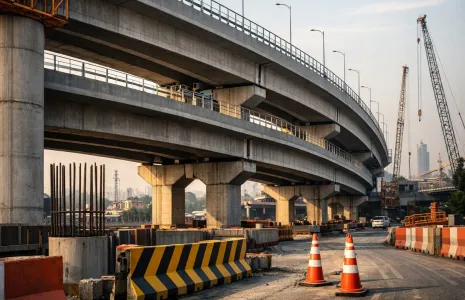
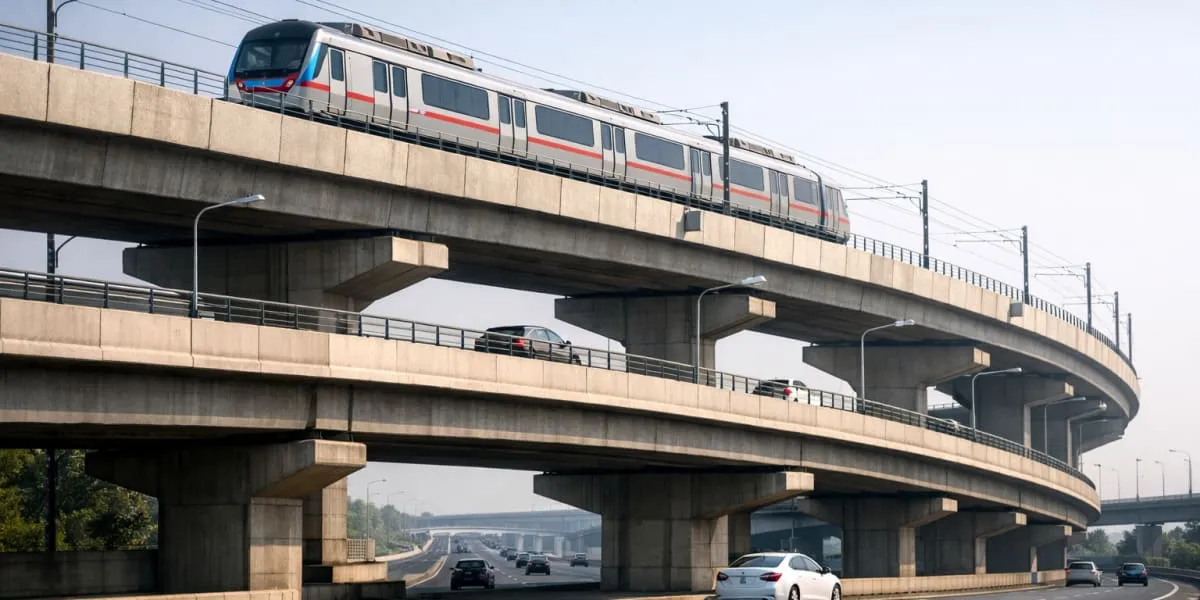
The state government has revised the detailed project report for the proposed Metro Rail corridor between LB Nagar and Hayathnagar to accommodate a double-decker flyover on the stretch that channels traffic to National Highway-65. The new model envisages an integrated structure combining a Metro Rail viaduct on the upper deck with a road flyover beneath rather than executing the two projects separately. Officials said the earlier DPR covered a 7.1 km Metro corridor but did not factor in a combined design.

The roads and buildings department proposed a revised layout covering about 5.5 km and drew on a three-tier system seen in Nagpur, comprising a ground-level road, a three-lane flyover at the first level and a Metro Rail line on the top deck. Authorities argued that separate construction could cause future complications, including repeated road expansion work and logistical challenges during implementation. The integrated approach is expected to address congestion and long-term infrastructure needs in a single project.

Roads and buildings Minister Komatireddy Venkat Reddy has urged the Centre to approve the revised proposal in place of the earlier Metro DPR and the plan has been sent to the Centre for consideration. The project is estimated to cost Rs 9.41 billion (bn) and is intended to benefit around 1.2 million (mn) residents across about 70 colonies along the corridor. Funding is proposed to be shared between the Centre and the state, with roughly Rs 7.41 billion (bn) from the Centre and Rs 2 billion (bn) from the state.

The proposed corridor extending towards Pedda Amberpet is designed to segregate local and high-speed highway traffic and thereby improve flow and safety on NH-65. Officials indicated that the integrated design would also help reduce noise issues and minimise proximity impacts of elevated Metro Rail lines on residential areas while permitting smoother service-road movement without obstruction from pillars. Tenders are likely to be invited within the next six months and both the original Metro proposal and the revised double-decker plan remain under central consideration.

The state government has revised the detailed project report for the proposed Metro Rail corridor between LB Nagar and Hayathnagar to accommodate a double-decker flyover on the stretch that channels traffic to National Highway-65. The new model envisages an integrated structure combining a Metro Rail viaduct on the upper deck with a road flyover beneath rather than executing the two projects separately. Officials said the earlier DPR covered a 7.1 km Metro corridor but did not factor in a combined design. The roads and buildings department proposed a revised layout covering about 5.5 km and drew on a three-tier system seen in Nagpur, comprising a ground-level road, a three-lane flyover at the first level and a Metro Rail line on the top deck. Authorities argued that separate construction could cause future complications, including repeated road expansion work and logistical challenges during implementation. The integrated approach is expected to address congestion and long-term infrastructure needs in a single project. Roads and buildings Minister Komatireddy Venkat Reddy has urged the Centre to approve the revised proposal in place of the earlier Metro DPR and the plan has been sent to the Centre for consideration. The project is estimated to cost Rs 9.41 billion (bn) and is intended to benefit around 1.2 million (mn) residents across about 70 colonies along the corridor. Funding is proposed to be shared between the Centre and the state, with roughly Rs 7.41 billion (bn) from the Centre and Rs 2 billion (bn) from the state. The proposed corridor extending towards Pedda Amberpet is designed to segregate local and high-speed highway traffic and thereby improve flow and safety on NH-65. Officials indicated that the integrated design would also help reduce noise issues and minimise proximity impacts of elevated Metro Rail lines on residential areas while permitting smoother service-road movement without obstruction from pillars. Tenders are likely to be invited within the next six months and both the original Metro proposal and the revised double-decker plan remain under central consideration.

Next Story
Equipment

MYCRANE Crosses 1,000 Customers in India

MYCRANE, the global platform for crane rental and purchase, has achieved major commercial milestones in India, reinforcing the country’s position as one of its fastest-growing strategic markets. The company has surpassed 1,000 registered customers and 1,000 crane suppliers nationwide, while completing more than 100 paid orders.The growth reflects rising adoption of digital procurement solutions across India’s construction, infrastructure, energy and industrial sectors. Equipment sourced through the platform is supporting projects across the country, with several leading contractors and EPC..

Next Story
Infrastructure Urban

AMTOE 2026 Opens Global Machine Tool Sourcing Hub

The Asian Machine Tool Online Exhibition 2026 (AMTOE 2026) has officially opened as a B2B sourcing platform connecting global buyers with verified Asian suppliers across the machine tool and manufacturing sector. The exhibition will run until 31 October 2026 through a hybrid online and offline model, offering extended sourcing and business networking opportunities.Co-organised by AsianNet and TradeAsia, the event aims to strengthen links between Asian manufacturers and international importers while improving cross-border procurement efficiency and supplier matching.Since launching in 2022, AMT..

Next Story
Infrastructure Energy

Vedanta Lifts Renewable Energy Use by Over 50%

On World Earth Day, Vedanta Limited announced that its renewable energy usage rose by over 50 per cent year on year to 3.97 billion units in FY26, helping avoid 3 million tonnes of carbon dioxide emissions.The company said its portfolio of metals, minerals, power, and oil & gas continues to support advanced manufacturing, electrification, energy transition and clean technology. Aluminium, copper and silver remain critical for applications such as mobility, power transmission, renewable infrastructure and solar photovoltaics, while iron, steel and zinc continue to support energy infrastruct..

Advertisement

Subscribe to Our Newsletter

Get daily newsletters around different themes from Construction world.

STAY CONNECTED

Advertisement

Advertisement

Advertisement