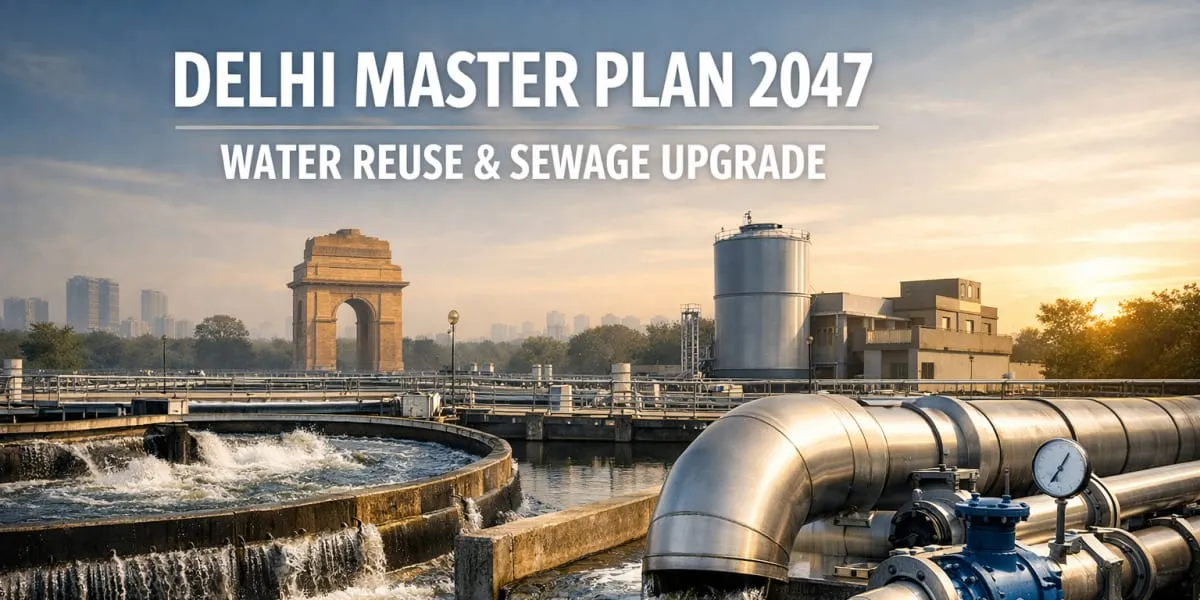
Delhi Master Plan 2047 Targets Water Reuse And Sewage Upgrade
WATER & WASTE

Delhi Master Plan 2047 Targets Water Reuse And Sewage Upgrade

The Master Plan for Delhi 2047, prepared by the Delhi Development Authority and unveiled by the Union Housing and Urban Affairs Minister, outlines an overhaul of the capital's water supply, sewerage and drainage systems to meet the needs of a projected 32 million (mn) population by 2047. It notes that potable water demand is expected to rise to around 1,600 million gallons per day (MGD) by 2047, creating an additional requirement of 401 MGD over existing capacity. The deficit is to be met in phases, with plans to add 110 MGD in the short to medium term and a further 291 MGD through longer term projects.

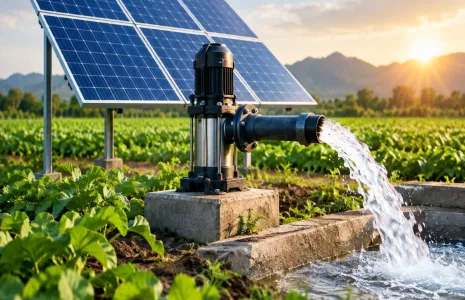
The plan proposes reducing the use of fresh Yamuna water for irrigation by replacing it with treated wastewater and making reuse mandatory for activities such as horticulture, park irrigation and other non-potable public uses to ease pressure on drinking supplies. It seeks additional raw water from Uttar Pradesh and envisages tapping upstream storage projects including Renukaji, Lakhwar and Kishau to supplement supplies.

The blueprint also targets a substantial expansion of sewage treatment, proposing to raise installed capacity to around 1,285 MGD, equivalent to treating nearly 80 per cent of the water supplied. It calls for interception and treatment of sewage from all 22 major drains flowing into the Yamuna alongside measures such as bio-remediation. For densely populated and unplanned settlements where conventional sewers are difficult to lay, the plan recommends decentralised sewage treatment plants and interceptor sewer projects.

The master plan adopts a zero tolerance approach to the discharge of untreated industrial effluents, sewage and solid waste into natural water bodies and outlines an updated drainage master plan with measures such as bio-swales, rainwater harvesting sumps in parks and other low-cost interventions to reduce flooding. It also proposes bringing baolis, revived wetlands and artificial water bodies into a city-wide groundwater recharge network. A separate Delhi Drainage Master Plan is under preparation to address the city's drainage requirements over the next 30 years.

The Master Plan for Delhi 2047, prepared by the Delhi Development Authority and unveiled by the Union Housing and Urban Affairs Minister, outlines an overhaul of the capital's water supply, sewerage and drainage systems to meet the needs of a projected 32 million (mn) population by 2047. It notes that potable water demand is expected to rise to around 1,600 million gallons per day (MGD) by 2047, creating an additional requirement of 401 MGD over existing capacity. The deficit is to be met in phases, with plans to add 110 MGD in the short to medium term and a further 291 MGD through longer term projects. The plan proposes reducing the use of fresh Yamuna water for irrigation by replacing it with treated wastewater and making reuse mandatory for activities such as horticulture, park irrigation and other non-potable public uses to ease pressure on drinking supplies. It seeks additional raw water from Uttar Pradesh and envisages tapping upstream storage projects including Renukaji, Lakhwar and Kishau to supplement supplies. The blueprint also targets a substantial expansion of sewage treatment, proposing to raise installed capacity to around 1,285 MGD, equivalent to treating nearly 80 per cent of the water supplied. It calls for interception and treatment of sewage from all 22 major drains flowing into the Yamuna alongside measures such as bio-remediation. For densely populated and unplanned settlements where conventional sewers are difficult to lay, the plan recommends decentralised sewage treatment plants and interceptor sewer projects. The master plan adopts a zero tolerance approach to the discharge of untreated industrial effluents, sewage and solid waste into natural water bodies and outlines an updated drainage master plan with measures such as bio-swales, rainwater harvesting sumps in parks and other low-cost interventions to reduce flooding. It also proposes bringing baolis, revived wetlands and artificial water bodies into a city-wide groundwater recharge network. A separate Delhi Drainage Master Plan is under preparation to address the city's drainage requirements over the next 30 years.

Related Stories

Gold Stories
Next Story
Infrastructure Urban

Modi Urges End-to-End Reforms for Infrastructure Projects

Prime Minister Narendra Modi on Tuesday called for continuous reforms across all stages of infrastructure project execution during the 53rd PRAGATI meeting. He asked ministries and state governments to adopt an end-to-end approach and a proactive work culture to ensure timely delivery. The meeting reviewed six key infrastructure projects in the railway, road and power sectors across nine states with a cumulative investment of Rs 300 billion (Rs 300 bn). Officials assessed projects on timelines, inter-agency coordination and resolution of pending issues. He said infrastructure projects should b..

Next Story
Infrastructure Transport

GMR Airports Plans US$2 bn Expansion In Delhi And Hyderabad

GMR Airports plans a US$2 billion (bn) expansion of facilities at New Delhi and Hyderabad as part of a major modernisation drive. Hyderabad’s upgraded airport will be able to accommodate about 80 million (mn) passengers a year, more than double its current annual volume of 34 mn fliers. The company is India’s largest airport operator by number of fliers annually, while rival Adani Airport Holdings Ltd is the biggest by number of airports and is reported to be looking to invest US$15 bn to boost passenger capacity over the next five years. Executives indicated the build-outs in New Delhi an..

Next Story
Infrastructure Transport

Mumbai Airport to Demolish Part of Terminal One From 15 January

Adani Group-operated Mumbai International Airport (MIAL) will begin partial demolition of the north section of Terminal one-B at Chatrapati Shivaji Maharaj International Airport from 15 January 2027, according to a letter to the civil aviation ministry. The operator has begun redistributing air traffic to Terminal two and to Navi Mumbai International Airport to facilitate the work. The airport, managed by Mumbai International Airport, currently has a capacity of over 50 million (mn) passengers and handles over 950 flight movements daily. Terminal one is nearly 80 years old and parts of it have..

Advertisement

Subscribe to Our Newsletter

Get daily newsletters around different themes from Construction world.

STAY CONNECTED

Advertisement