Indian Navy Receives Malwan Anti-Submarine Shallow Water Craft
WATER & WASTE

Indian Navy Receives Malwan Anti-Submarine Shallow Water Craft

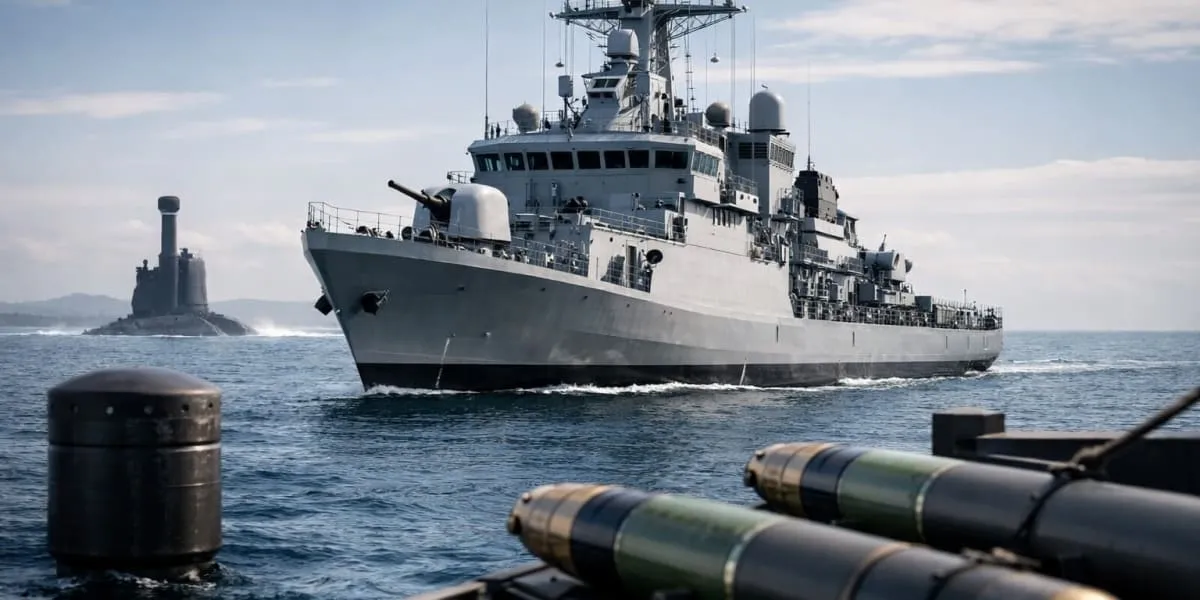
Malwan, the second of eight Anti-Submarine Warfare Shallow Water Craft (ASW SWC) built by Cochin Shipyard Limited (CSL) in Kochi, was delivered to the Indian Navy on 31 March 2026. The vessel was indigenously designed and constructed to Indian Navy specifications in accordance with the Classification Rules of DNV. The delivery follows contractual milestones for the series and forms part of a sustained effort to modernise coastal defence. The programme forms part of a long term plan to bolster maritime security in coastal regions.

The ship is configured for underwater surveillance and anti-submarine warfare operations in coastal waters, and it is also capable of low intensity maritime operations and mine warfare. The Waterjets propelled ASW SWC measures 80 metres in length and displaces 1,100 tonnes (t). It carries torpedoes, multifunctional anti-submarine rockets and an integrated suite of advanced radars and sonar sensors for detection and engagement. Onboard systems are configured to operate in challenging littoral environments.

With over 80 per cent indigenous content, Malwan represents a further milestone in indigenous warship construction and reaffirms the Government of India vision of Aatmanirbhar Bharat. Equipment and systems have been developed and integrated onboard by the domestic defence manufacturing ecosystem, including micro, small and medium enterprises. The name draws on the historic coastal town of Malwan in Maharashtra and continues the legacy of the erstwhile INS Malwan, which remained in service until 2003.

The delivery is intended to strengthen the Navy's coastal surveillance and anti-submarine capabilities and to enhance readiness for a range of maritime tasks. Malwan will join sister ships in the series as they enter service over the coming months, expanding the Navy's shallow water ASW footprint. The vessel exemplifies domestic shipbuilding capability and the integration of indigenous systems across naval platforms. The delivery underscores collaboration between the Navy and domestic industry for future platforms.

Malwan, the second of eight Anti-Submarine Warfare Shallow Water Craft (ASW SWC) built by Cochin Shipyard Limited (CSL) in Kochi, was delivered to the Indian Navy on 31 March 2026. The vessel was indigenously designed and constructed to Indian Navy specifications in accordance with the Classification Rules of DNV. The delivery follows contractual milestones for the series and forms part of a sustained effort to modernise coastal defence. The programme forms part of a long term plan to bolster maritime security in coastal regions. The ship is configured for underwater surveillance and anti-submarine warfare operations in coastal waters, and it is also capable of low intensity maritime operations and mine warfare. The Waterjets propelled ASW SWC measures 80 metres in length and displaces 1,100 tonnes (t). It carries torpedoes, multifunctional anti-submarine rockets and an integrated suite of advanced radars and sonar sensors for detection and engagement. Onboard systems are configured to operate in challenging littoral environments. With over 80 per cent indigenous content, Malwan represents a further milestone in indigenous warship construction and reaffirms the Government of India vision of Aatmanirbhar Bharat. Equipment and systems have been developed and integrated onboard by the domestic defence manufacturing ecosystem, including micro, small and medium enterprises. The name draws on the historic coastal town of Malwan in Maharashtra and continues the legacy of the erstwhile INS Malwan, which remained in service until 2003. The delivery is intended to strengthen the Navy's coastal surveillance and anti-submarine capabilities and to enhance readiness for a range of maritime tasks. Malwan will join sister ships in the series as they enter service over the coming months, expanding the Navy's shallow water ASW footprint. The vessel exemplifies domestic shipbuilding capability and the integration of indigenous systems across naval platforms. The delivery underscores collaboration between the Navy and domestic industry for future platforms.

Next Story
Infrastructure Transport

MMRDA Removes 1.14 lakh m of Metro Barricades

In a bid to ease congestion and improve urban mobility during monsoon, MMRDA has undertaken one of the largest coordinated barricade removal and monsoon preparedness drives across its ongoing metro and infrastructure projects.With substantial progress achieved in viaduct and structural works across multiple metro corridors, barricades from completed stretches beneath metro viaducts are being systematically removed, restoring maximum possible road space before the monsoon. Wider carriageways across key arterial roads are expected to improve traffic flow, reduce congestion, support better rainwa..

Next Story
Infrastructure Transport

Pune Division to Remove All Diamond Crossings by Year-End

The Pune railway division has announced plans to remove all 16 diamond crossings by the end of 2026 as part of a major yard remodelling project following the derailment of a Vande Bharat Express at Pune Junction on April 27. Railway authorities said the replacements aim to improve safety and streamline train operations across the busy station. The decision followed a Central Railway finding that the accident involved a non-standard diamond crossing and highlighted the need for replacement. Regular maintenance of existing crossings will continue until the replacement work is completed. Official..

Next Story
Infrastructure Urban

Goa Declares 80 Million Square Metres No Development Zone

The Goa state government has declared 80 million square metres (mn) of land a no development zone, designating the area as protected from new construction. The notification reclassifies tracts across the state under a no development category for planning and regulatory purposes. The declaration signals a formal halt to new building permits within the defined zone. Authorities indicated that maps will be issued to show broad boundaries while detailed surveys will refine precise limits. The move transfers responsibility for enforcement to local planning authorities and relevant departments, whic..

Advertisement

Subscribe to Our Newsletter

Get daily newsletters around different themes from Construction world.

STAY CONNECTED

Advertisement

Advertisement

Advertisement