

WABAG And PEAK Launch First Bio-CNG Plant In Ghaziabad
WATER & WASTE

WABAG And PEAK Launch First Bio-CNG Plant In Ghaziabad

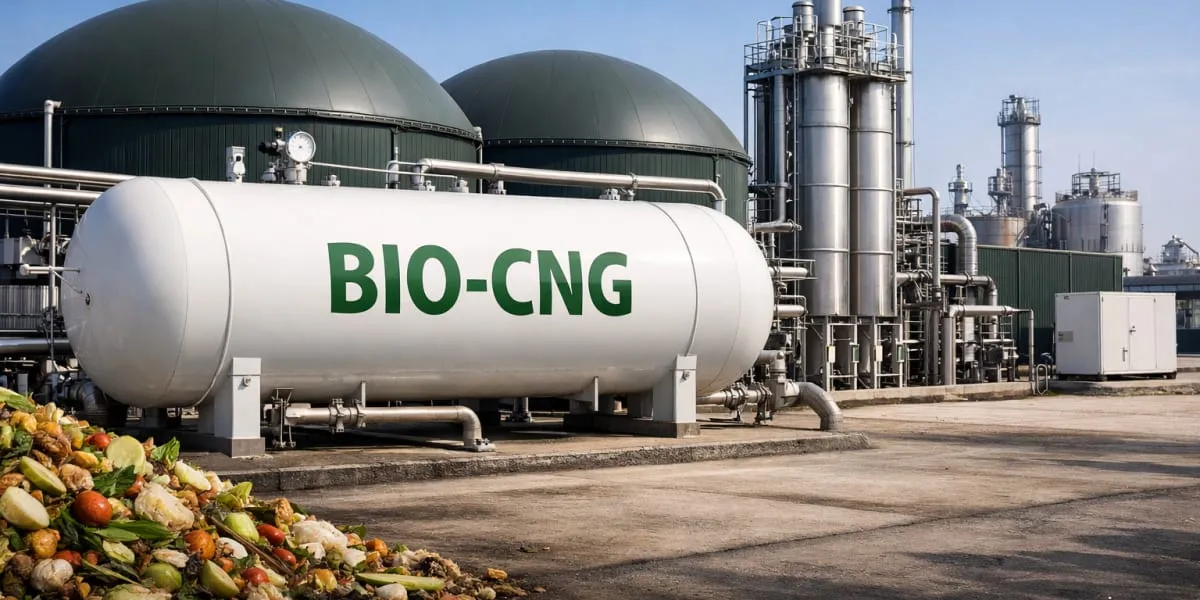
VA Tech WABAG Limited (WABAG) and PEAK Sustainability Ventures (PEAK) are developing the first bio-compressed natural gas (Bio-CNG) plant in Ghaziabad, Uttar Pradesh, marking the inaugural project under a waste-to-energy initiative launched on 29 January 2024 that targets 100 Bio-CNG plants across India and other markets. The facility will be developed through a newly incorporated special purpose vehicle, Ghaziabad Bioenergy Private Limited, formed jointly by WABAG and PEAK on a build-operate-transfer model in partnership with the municipal authority. The project converts wastewater-derived biogas into a marketable renewable fuel and aims to create a scalable route for local energy supply.

The plant will be installed at the 70 mn litres per day Sewage Treatment Plant (STP) in Dundaheda and will capture raw biogas, upgrade it into high-quality Bio-CNG and prevent methane emissions to the atmosphere. This renewable gas will replace conventional fossil fuels in mobility and industrial uses, creating a circular revenue stream while easing pressure on global LNG and CNG supply chains. All major equipment will be sourced domestically to support the Government of India’s Atmanirbhar Bharat policy.

Project sponsors estimate that over its life the initiative will reduce approximately 250,000 tonnes (t) of carbon emissions, noting that methane has nearly 28 times the global warming potential of carbon dioxide. Commercial operations are expected to commence within one year and the sponsors anticipate material environmental and air quality benefits alongside local employment generation. The company will pay a reverse tipping fee to the Ghaziabad Nagar Nigam for purchasing the biogas, creating a new revenue model for the client.

WABAG will lead project execution and undertake operations and maintenance for a 15-year period while PEAK will contribute strategic inputs, global energy technology insights and support in raising capital from climate-focused investors to accelerate scaling. The initiative is positioned to reinforce several sustainable development goals including affordable and clean energy, good health and well-being, responsible consumption and production, and climate action. Sponsors present the project as a replicable model to turn an environmental liability into a reliable, locally produced renewable fuel.

VA Tech WABAG Limited (WABAG) and PEAK Sustainability Ventures (PEAK) are developing the first bio-compressed natural gas (Bio-CNG) plant in Ghaziabad, Uttar Pradesh, marking the inaugural project under a waste-to-energy initiative launched on 29 January 2024 that targets 100 Bio-CNG plants across India and other markets. The facility will be developed through a newly incorporated special purpose vehicle, Ghaziabad Bioenergy Private Limited, formed jointly by WABAG and PEAK on a build-operate-transfer model in partnership with the municipal authority. The project converts wastewater-derived biogas into a marketable renewable fuel and aims to create a scalable route for local energy supply. The plant will be installed at the 70 mn litres per day Sewage Treatment Plant (STP) in Dundaheda and will capture raw biogas, upgrade it into high-quality Bio-CNG and prevent methane emissions to the atmosphere. This renewable gas will replace conventional fossil fuels in mobility and industrial uses, creating a circular revenue stream while easing pressure on global LNG and CNG supply chains. All major equipment will be sourced domestically to support the Government of India’s Atmanirbhar Bharat policy. Project sponsors estimate that over its life the initiative will reduce approximately 250,000 tonnes (t) of carbon emissions, noting that methane has nearly 28 times the global warming potential of carbon dioxide. Commercial operations are expected to commence within one year and the sponsors anticipate material environmental and air quality benefits alongside local employment generation. The company will pay a reverse tipping fee to the Ghaziabad Nagar Nigam for purchasing the biogas, creating a new revenue model for the client. WABAG will lead project execution and undertake operations and maintenance for a 15-year period while PEAK will contribute strategic inputs, global energy technology insights and support in raising capital from climate-focused investors to accelerate scaling. The initiative is positioned to reinforce several sustainable development goals including affordable and clean energy, good health and well-being, responsible consumption and production, and climate action. Sponsors present the project as a replicable model to turn an environmental liability into a reliable, locally produced renewable fuel.

Next Story
Infrastructure Transport

Pune Division to Remove All Diamond Crossings by Year-End

The Pune railway division has announced plans to remove all 16 diamond crossings by the end of 2026 as part of a major yard remodelling project following the derailment of a Vande Bharat Express at Pune Junction on April 27. Railway authorities said the replacements aim to improve safety and streamline train operations across the busy station. The decision followed a Central Railway finding that the accident involved a non-standard diamond crossing and highlighted the need for replacement. Regular maintenance of existing crossings will continue until the replacement work is completed. Official..

Next Story
Infrastructure Urban

Goa Declares 80 Million Square Metres No Development Zone

The Goa state government has declared 80 million square metres (mn) of land a no development zone, designating the area as protected from new construction. The notification reclassifies tracts across the state under a no development category for planning and regulatory purposes. The declaration signals a formal halt to new building permits within the defined zone. Authorities indicated that maps will be issued to show broad boundaries while detailed surveys will refine precise limits. The move transfers responsibility for enforcement to local planning authorities and relevant departments, whic..

Next Story
Infrastructure Urban

Micro Mitti To Invest Rs Three Billion In Indore Project

Micro Mitti has announced an investment of Rs three billion (Rs 3 bn) to develop a commercial project in Indore. The company said the allocation marks a significant commitment to the city's real estate sector and will target commercial space demand. The announcement follows the firm's stated strategy to expand its asset base outside its existing markets. Company executives outlined the plan in a corporate release and provided limited additional details. The commercial project is intended to serve office, retail and related uses in response to demand from businesses and consumers in the region...

Advertisement

Subscribe to Our Newsletter

Get daily newsletters around different themes from Construction world.

STAY CONNECTED

Advertisement

Advertisement

Advertisement