+
Fujiyama Commissions Two GW Power Electronics Facility In Ratlam
POWER & RENEWABLE ENERGY

Fujiyama Commissions Two GW Power Electronics Facility In Ratlam

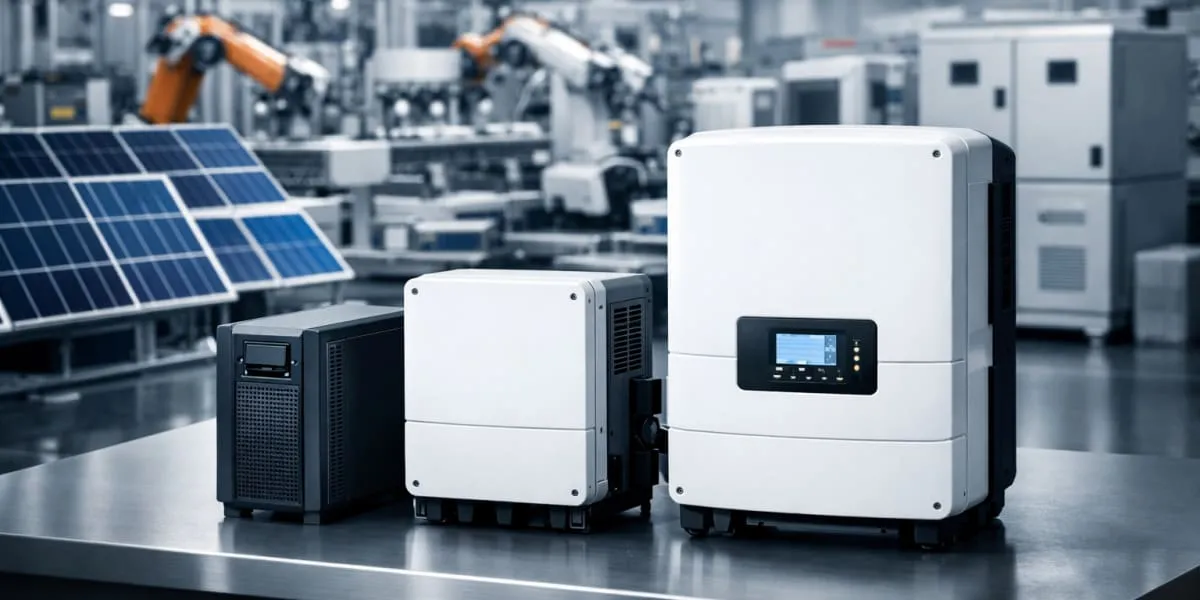
Fujiyama Power Systems has commissioned a two gigawatt (GW) power electronics manufacturing facility at Ratlam in Madhya Pradesh, raising its installed power electronics capacity to four point two GW. The unit will manufacture solar inverters, uninterruptible power supply systems and other power electronics products as part of the company's integrated manufacturing footprint. The commissioning brings module and inverter production closer together at a single complex.

The Ratlam complex already hosts a two GW solar module line that began operations in May and was designed with planned capacity of two GW each for modules, batteries and inverters, according to regulatory disclosures. The combined layout is aimed at improving supply-chain integration for rooftop and distributed solar applications. The company has not disclosed expected utilisation rates or production volumes for the newly commissioned power electronics line.

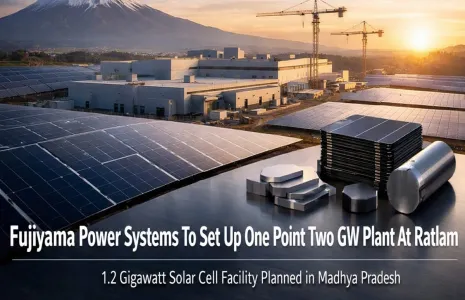
Fujiyama is progressing a battery manufacturing facility at Ratlam and the board has approved a one point two GW solar cell plant with an estimated investment of Rs 3.5 billion (bn). Commercial operations for the cell project are expected to begin in the first quarter of FY2028, while the firm already operates a one GW cell facility at Dadri in Uttar Pradesh. The proposed Ratlam cell plant is intended to support domestic cell requirements as government-backed programmes increasingly emphasise domestic content.

Company leadership said the commissioning will help improve operational efficiency and supply-chain integration as rooftop solar demand grows and that the Ratlam complex will support a longer-term integrated manufacturing strategy. Fujiyama's portfolio includes solar modules, inverters, lithium-ion and tubular batteries and other power electronics, supported by a distribution and service network of more than 10,100 channel partners across India. The immediate focus at Ratlam will be ramping up the new module and power electronics lines while progressing the battery project and developing the planned cell plant.

Fujiyama Power Systems has commissioned a two gigawatt (GW) power electronics manufacturing facility at Ratlam in Madhya Pradesh, raising its installed power electronics capacity to four point two GW. The unit will manufacture solar inverters, uninterruptible power supply systems and other power electronics products as part of the company's integrated manufacturing footprint. The commissioning brings module and inverter production closer together at a single complex. The Ratlam complex already hosts a two GW solar module line that began operations in May and was designed with planned capacity of two GW each for modules, batteries and inverters, according to regulatory disclosures. The combined layout is aimed at improving supply-chain integration for rooftop and distributed solar applications. The company has not disclosed expected utilisation rates or production volumes for the newly commissioned power electronics line. Fujiyama is progressing a battery manufacturing facility at Ratlam and the board has approved a one point two GW solar cell plant with an estimated investment of Rs 3.5 billion (bn). Commercial operations for the cell project are expected to begin in the first quarter of FY2028, while the firm already operates a one GW cell facility at Dadri in Uttar Pradesh. The proposed Ratlam cell plant is intended to support domestic cell requirements as government-backed programmes increasingly emphasise domestic content. Company leadership said the commissioning will help improve operational efficiency and supply-chain integration as rooftop solar demand grows and that the Ratlam complex will support a longer-term integrated manufacturing strategy. Fujiyama's portfolio includes solar modules, inverters, lithium-ion and tubular batteries and other power electronics, supported by a distribution and service network of more than 10,100 channel partners across India. The immediate focus at Ratlam will be ramping up the new module and power electronics lines while progressing the battery project and developing the planned cell plant.

Related Stories

Gold Stories

Next Story
Infrastructure Transport

MMRDA Targets Completion of Projects by December 2028

The Mumbai Metropolitan Region Development Authority (MMRDA) is targeting the completion of all its ongoing infrastructure projects by December 2028, a year ahead of its December 2029 deadline, Metropolitan Commissioner Dr Sanjay Mukherjee has said.Speaking at the sixth edition of the Real Estate & Infrastructure Investors' Summit (REIIS) 2026 in Mumbai, Mukherjee said the authority was developing an integrated network of roads, tunnels, sea links and Metro corridors under its broader vision of “Mumbai in 59 Minutes”.The objective is to improve east-west and north-south connectivity an..

Next Story
Building Material

High-Performance Façades Gain Ground in Indian Buildings

High-performance façades are gaining greater importance in Indian architecture as developers and architects increasingly focus on energy efficiency, thermal comfort and building performance, according to Shankar Fenestrations & Glasses.The company said modern façade systems are increasingly being considered as part of a building's overall performance strategy rather than being used primarily as aesthetic elements.High-performance glass, curtain wall systems and structural glazing can contribute to thermal regulation, solar control, daylight management and indoor comfort. Their growing ad..

Next Story
Technology

SPML Infra's 104.4 kWh BESS Battery Pack Clears Global Tests

SPML Infra has announced that its proprietary 104.4 kWh Battery Energy Storage System (BESS) battery pack has completed key international safety, performance and transportation testing and certification requirements, marking a step towards its commercial deployment.Developed under the company's own intellectual property, the battery pack has completed requirements under UL9540A, IEC 62619, IEC 63056, IEC 60730, IEC 61000-6-2, IEC 61000-6-4 and UN38.3 standards.The testing covers areas including thermal runaway safety, battery performance, system functional safety, electromagnetic compatibility..

Advertisement

Subscribe to Our Newsletter

Get daily newsletters around different themes from Construction world.

STAY CONNECTED

Advertisement

SPECIAL OFFER
QR Code