Jakson Expands Into Energy Storage Solar Kits And E3W
POWER & RENEWABLE ENERGY

Jakson Expands Into Energy Storage Solar Kits And E3W

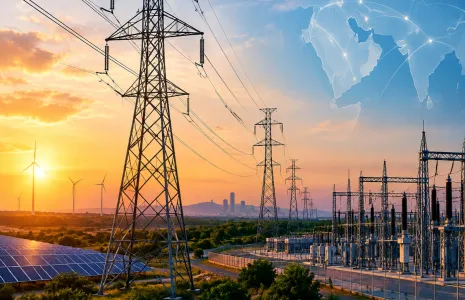
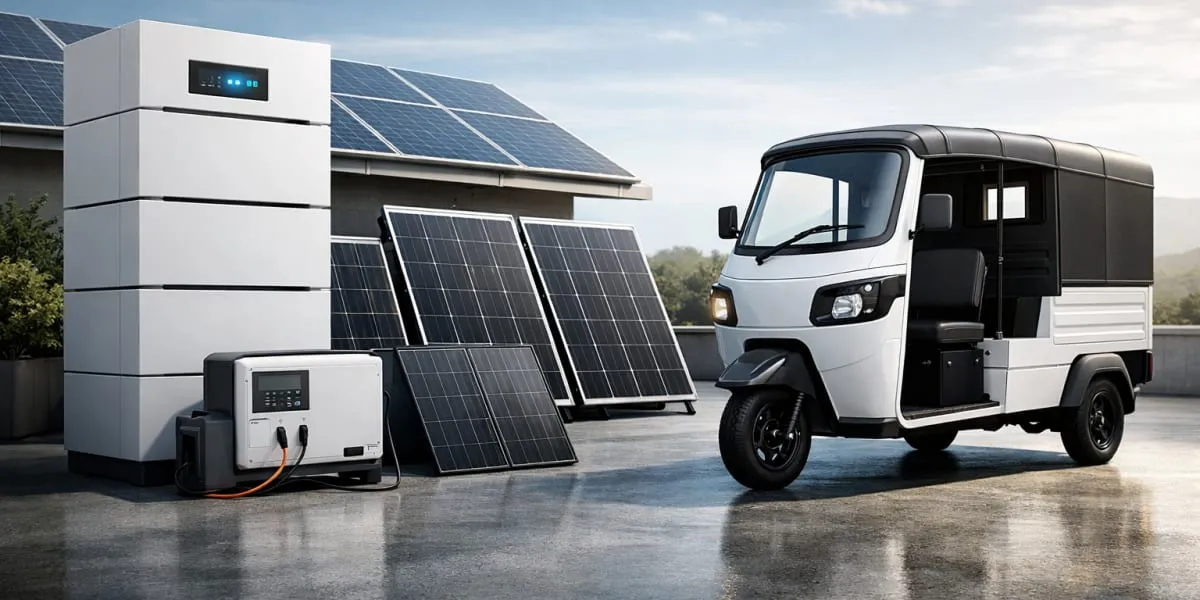
Jakson Group is expanding its energy solutions portfolio with the launch of battery energy storage systems (BESS), modular solar kits and entry into the electric three-wheeler segment as part of a strategic shift beyond conventional power offerings. The group presented the moves as aligned with rising demand for clean and decentralised energy systems and with customer demand for dependable backup and distributed generation. The new product lines are aimed at residential, small business, commercial and industrial users as well as off-grid applications.

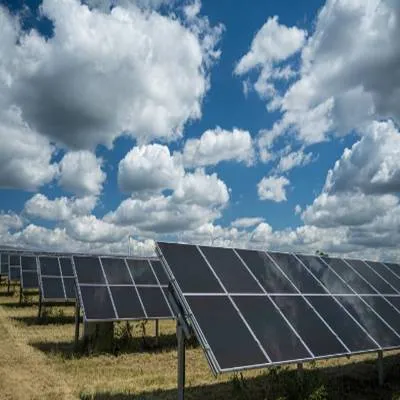
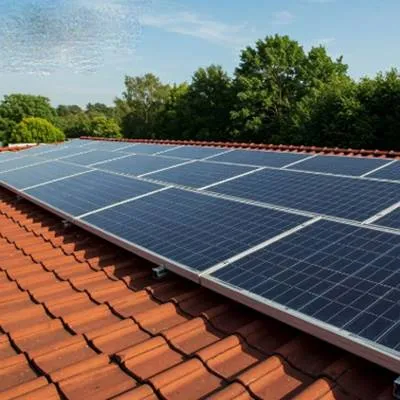
The BESS solutions are designed to enable round-the-clock power availability and to support peak shaving, load management and resilience for commercial and industrial customers, while also serving remote and off-grid consumers. The modular solar kits are intended to simplify adoption of rooftop and small-scale solar systems and to provide a pathway to greater energy independence for households and micro enterprises. The combined offering is positioned to address reliability concerns and to reduce reliance on conventional backup sources.

Entry into the electric three-wheeler market complements the group’s broader clean energy strategy by linking generation, storage and mobility within an integrated ecosystem. The electric three-wheeler business is expected to target urban and last-mile mobility use cases and to create synergies with charging and storage solutions. The group views the move as opening new avenues for growth in areas where electrification and low-emission transport are advancing.

The development follows an industry trend in which traditional power solution providers are evolving into integrated energy companies that offer end-to-end solutions across solar, storage and electric mobility to meet changing infrastructure and consumer needs. The expanded portfolio is forecast to strengthen the group’s position in distributed energy markets and to allow it to capitalise on increasing adoption of renewable energy and electric vehicles in India. Observers noted that such diversification supports broader energy transition objectives and market resilience.

Jakson Group is expanding its energy solutions portfolio with the launch of battery energy storage systems (BESS), modular solar kits and entry into the electric three-wheeler segment as part of a strategic shift beyond conventional power offerings. The group presented the moves as aligned with rising demand for clean and decentralised energy systems and with customer demand for dependable backup and distributed generation. The new product lines are aimed at residential, small business, commercial and industrial users as well as off-grid applications. The BESS solutions are designed to enable round-the-clock power availability and to support peak shaving, load management and resilience for commercial and industrial customers, while also serving remote and off-grid consumers. The modular solar kits are intended to simplify adoption of rooftop and small-scale solar systems and to provide a pathway to greater energy independence for households and micro enterprises. The combined offering is positioned to address reliability concerns and to reduce reliance on conventional backup sources. Entry into the electric three-wheeler market complements the group’s broader clean energy strategy by linking generation, storage and mobility within an integrated ecosystem. The electric three-wheeler business is expected to target urban and last-mile mobility use cases and to create synergies with charging and storage solutions. The group views the move as opening new avenues for growth in areas where electrification and low-emission transport are advancing. The development follows an industry trend in which traditional power solution providers are evolving into integrated energy companies that offer end-to-end solutions across solar, storage and electric mobility to meet changing infrastructure and consumer needs. The expanded portfolio is forecast to strengthen the group’s position in distributed energy markets and to allow it to capitalise on increasing adoption of renewable energy and electric vehicles in India. Observers noted that such diversification supports broader energy transition objectives and market resilience.

Next Story
Real Estate

CREDAI-MCHI to Host 10th Design & Construction Conference

CREDAI-MCHI will host the 10th anniversary edition of its Design & Construction Conference on August 19, 2026, at the Jio World Convention Centre in Mumbai.The event is expected to bring together more than 500 procurement leaders, construction heads, architects, consultants and senior real estate decision-makers, alongside over 50 construction and ancillary brands.The conference will feature product launches, technology showcases, knowledge sessions, strategic business-to-business networking and recognition of procurement professionals contributing to the transformation of the construction..

Next Story
Infrastructure Energy

BorgWarner Wins Extension for High-Voltage Inverter Programmes

BorgWarner has secured a major extension of several high-volume high-voltage inverter programmes from a leading European automotive manufacturer.The contracts cover updated inverter designs for plug-in hybrid and 800V battery-electric vehicle applications. Production is scheduled to begin in 2029.Isabelle McKenzie, President and General Manager, BorgWarner PowerDrive Systems, said the programme extensions demonstrate the company’s position in power electronics and reflect the strength of its technology, in-house expertise and customer relationships.For plug-in hybrid vehicles, BorgWarner wil..

Next Story
Infrastructure Urban

Castrol India Q2 Profit Rises 43% to Rs 3.48 bn

Castrol India reported a 43 per cent year-on-year increase in profit after tax to Rs 3.48 billion for the quarter ended June 30, 2026, supported by growth across its consumer, industrial and institutional businesses.Revenue from operations increased 25 per cent to Rs 18.71 billion during the second quarter of 2026, compared with Rs 14.97 billion in the corresponding period of 2025. EBITDA rose 41 per cent to Rs 4.94 billion from Rs 3.50 billion.Sequentially, revenue increased from Rs 15.45 billion in the first quarter of 2026, while EBITDA rose from Rs 3.29 billion. Profit after tax increased ..

Advertisement

Subscribe to Our Newsletter

Get daily newsletters around different themes from Construction world.

STAY CONNECTED

Advertisement

Advertisement

Advertisement