

+
Modi Inaugurates Pink And Magenta Line Extensions
ECONOMY & POLICY

Modi Inaugurates Pink And Magenta Line Extensions

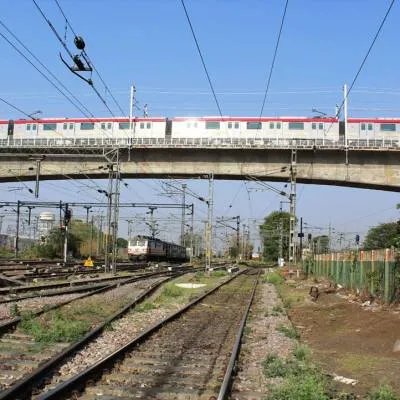
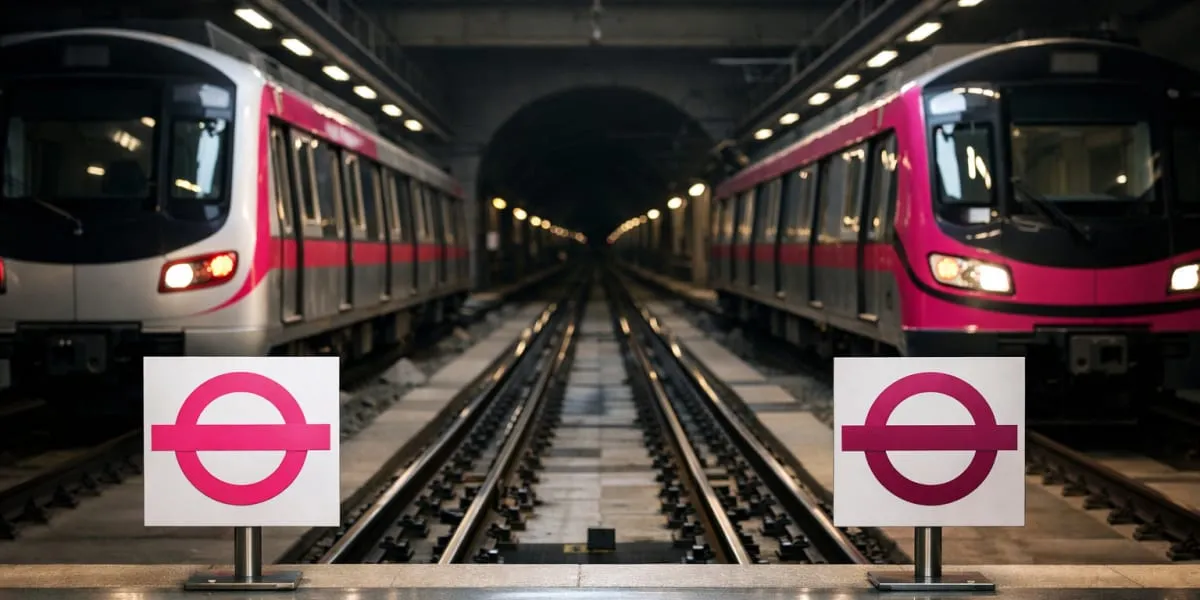
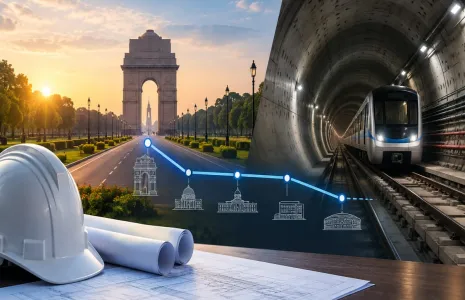
Prime Minister Narendra Modi inaugurated two new corridors of the Delhi Metro (DM), the Pink line and the Magenta line extension, linking Majlis Park and Deepali Chowk. The new sections were opened as part of efforts to expand network coverage and to enhance connectivity across the capital. Officials said the projects form a component of the ongoing phase of network expansion aimed at reducing travel time and easing congestion for commuters. The corridors are expected to improve access between residential neighbourhoods and major transport hubs.

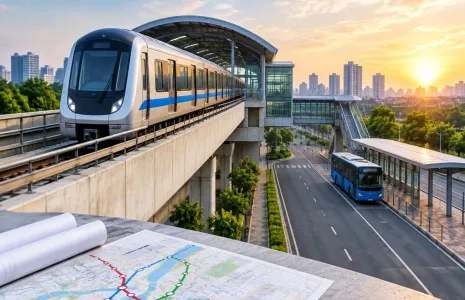
The additions to the DM network will provide new interchange options and strengthen multimodal integration with buses and other surface transport. Planners indicated that improved linkages will distribute passenger loads more evenly and support last-mile connectivity initiatives in adjacent localities. The development is intended to offer commuters more direct journeys and to relieve pressure on some of the city's busiest corridors. Authorities noted that operational planning will focus on maintaining punctual services and passenger safety.

Operations on the new stretches will be phased into regular service with attention to system synchronisation and signalling calibration to ensure reliability. Technical teams are reported to have completed trial runs and validations before the formal opening, and staff training has been emphasised to manage the expanded network. Passenger amenities at stations have been upgraded in line with contemporary urban transit standards and accessibility features have been incorporated to assist persons with reduced mobility. The expansion is likely to make daily commutes more convenient for many residents.

The inauguration was presented as a milestone in the capital's transport infrastructure and as part of broader urban mobility planning. Policymakers reiterated commitments to extend metro connectivity further and to coordinate with municipal authorities on supportive infrastructure. The projects are expected to contribute to economic activity through improved movement and to encourage public transport use over private vehicles. Continued monitoring of service performance will guide further enhancements to the network.

Prime Minister Narendra Modi inaugurated two new corridors of the Delhi Metro (DM), the Pink line and the Magenta line extension, linking Majlis Park and Deepali Chowk. The new sections were opened as part of efforts to expand network coverage and to enhance connectivity across the capital. Officials said the projects form a component of the ongoing phase of network expansion aimed at reducing travel time and easing congestion for commuters. The corridors are expected to improve access between residential neighbourhoods and major transport hubs. The additions to the DM network will provide new interchange options and strengthen multimodal integration with buses and other surface transport. Planners indicated that improved linkages will distribute passenger loads more evenly and support last-mile connectivity initiatives in adjacent localities. The development is intended to offer commuters more direct journeys and to relieve pressure on some of the city's busiest corridors. Authorities noted that operational planning will focus on maintaining punctual services and passenger safety. Operations on the new stretches will be phased into regular service with attention to system synchronisation and signalling calibration to ensure reliability. Technical teams are reported to have completed trial runs and validations before the formal opening, and staff training has been emphasised to manage the expanded network. Passenger amenities at stations have been upgraded in line with contemporary urban transit standards and accessibility features have been incorporated to assist persons with reduced mobility. The expansion is likely to make daily commutes more convenient for many residents. The inauguration was presented as a milestone in the capital's transport infrastructure and as part of broader urban mobility planning. Policymakers reiterated commitments to extend metro connectivity further and to coordinate with municipal authorities on supportive infrastructure. The projects are expected to contribute to economic activity through improved movement and to encourage public transport use over private vehicles. Continued monitoring of service performance will guide further enhancements to the network.

Next Story
Infrastructure Urban

Implementation Status of Jal Jeevan Mission

Since August 2019 the Government has implemented Jal Jeevan Mission to provide assured potable water through household tap connections in rural India. At the start of the mission only 32.3 million (mn) rural households, representing 16.7 per cent, were reported to have tap water connections. States and union territories have reported that 125.8 mn additional rural households have since been provided with tap connections. As a result, of about 193.6 mn rural households roughly 158.2 mn, or 81.71 per cent, are reported to have tap water supply at home.\n\nThe State, district and village level st..

Next Story
Infrastructure Urban

Jal Jeevan Mission Reaches Eighty One Per Cent Rural Coverage

The Government reported substantial progress under the Jal Jeevan Mission, launched in August 2019 to provide tap water to every rural household. At launch only 32.3 million (mn) rural households had tap connections and states and Union territories reported provision of 125.8 mn additional households by March 2026. Consequently, out of about 193.6 mn rural households around 158.2 mn, or 81.71 per cent, are reported to have tap water at home. The Finance Minister announced extension of the mission until 2028 in the 2025-26 budget speech. The Swachh Bharat Mission Grameen, launched in October 20..

Next Story
Infrastructure Urban

Empowering Local Governance for Sustainable Rural Water Supply

The Ministry of Jal Shakti has aligned the Jal Jeevan Mission (JJM) with the 73rd Amendment to strengthen village level planning and community ownership of water supply. Gram Panchayats, village water and sanitation committees and Pani Samitis are to plan, implement, manage and maintain piped water systems, with gram sabha processes formalising handover and oversight. Implementation support agencies including non government organisations, community based organisations and self help groups have been empanelled to train local committees and promote women participation. Under JJM, the department ..

Advertisement

Subscribe to Our Newsletter

Get daily newsletters around different themes from Construction world.

STAY CONNECTED

Advertisement

Advertisement

Advertisement