




Multi Lane Free Flow Tolling to Cut Operating Costs
ECONOMY & POLICY

Multi Lane Free Flow Tolling to Cut Operating Costs

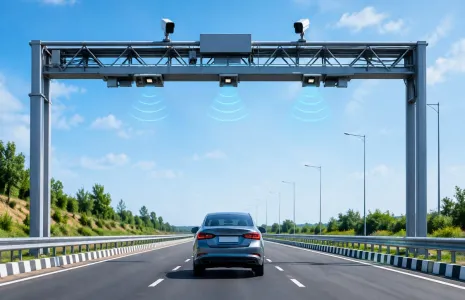
The Union Minister for Road Transport and Highways, Nitin Gadkari, said the proposed Multi Lane Free Flow (MLFF) toll collection system is expected to reduce toll collection operating costs to three to four per cent from the current 12 to 15 per cent, substantially improving efficiency across the national highway network. He said the MLFF system will enable seamless tolling through advanced technologies such as automatic number plate recognition, FASTag integration and GPS based vehicle tracking, removing the need for vehicles to stop at toll plazas. The minister added that these measures are designed to reduce congestion, lower fuel consumption and improve travel time efficiency on national highways.

The government is carrying out pilot projects and technology integration measures to support phased implementation of the MLFF system on key highway corridors, according to the announcement. Authorities will evaluate interoperability with existing FASTag infrastructure and establish standards for automatic number plate recognition and GPS based verification. Implementation is intended to be incremental to manage operational transition and to address privacy, enforcement and revenue settlement mechanisms.

The transition towards digital and barrier free tolling systems is expected to strengthen transparency, improve user convenience and enhance operational efficiency in road infrastructure management. Officials linked the MLFF initiative to broader objectives of modernising transport infrastructure and developing intelligent transportation systems across the country. The announcement referenced ongoing national programmes such as Bharatmala Pariyojana and PM Gati Shakti as complementary frameworks supporting highways and logistics expansion.

Industry observers noted that wider adoption of MLFF technology could lower logistics costs, improve freight movement efficiency and support overall economic productivity, while also changing operational roles at tolling sites. The initiative was presented as part of the government's continuing focus on digital infrastructure and smart mobility solutions to underpin long term infrastructure growth. The information was reported to have been compiled from secondary research and the releasing agency disclaimed responsibility for any errors.

The Union Minister for Road Transport and Highways, Nitin Gadkari, said the proposed Multi Lane Free Flow (MLFF) toll collection system is expected to reduce toll collection operating costs to three to four per cent from the current 12 to 15 per cent, substantially improving efficiency across the national highway network. He said the MLFF system will enable seamless tolling through advanced technologies such as automatic number plate recognition, FASTag integration and GPS based vehicle tracking, removing the need for vehicles to stop at toll plazas. The minister added that these measures are designed to reduce congestion, lower fuel consumption and improve travel time efficiency on national highways. The government is carrying out pilot projects and technology integration measures to support phased implementation of the MLFF system on key highway corridors, according to the announcement. Authorities will evaluate interoperability with existing FASTag infrastructure and establish standards for automatic number plate recognition and GPS based verification. Implementation is intended to be incremental to manage operational transition and to address privacy, enforcement and revenue settlement mechanisms. The transition towards digital and barrier free tolling systems is expected to strengthen transparency, improve user convenience and enhance operational efficiency in road infrastructure management. Officials linked the MLFF initiative to broader objectives of modernising transport infrastructure and developing intelligent transportation systems across the country. The announcement referenced ongoing national programmes such as Bharatmala Pariyojana and PM Gati Shakti as complementary frameworks supporting highways and logistics expansion. Industry observers noted that wider adoption of MLFF technology could lower logistics costs, improve freight movement efficiency and support overall economic productivity, while also changing operational roles at tolling sites. The initiative was presented as part of the government's continuing focus on digital infrastructure and smart mobility solutions to underpin long term infrastructure growth. The information was reported to have been compiled from secondary research and the releasing agency disclaimed responsibility for any errors.

Next Story
Infrastructure Transport

Pune Division to Remove All Diamond Crossings by Year-End

The Pune railway division has announced plans to remove all 16 diamond crossings by the end of 2026 as part of a major yard remodelling project following the derailment of a Vande Bharat Express at Pune Junction on April 27. Railway authorities said the replacements aim to improve safety and streamline train operations across the busy station. The decision followed a Central Railway finding that the accident involved a non-standard diamond crossing and highlighted the need for replacement. Regular maintenance of existing crossings will continue until the replacement work is completed. Official..

Next Story
Infrastructure Urban

Goa Declares 80 Million Square Metres No Development Zone

The Goa state government has declared 80 million square metres (mn) of land a no development zone, designating the area as protected from new construction. The notification reclassifies tracts across the state under a no development category for planning and regulatory purposes. The declaration signals a formal halt to new building permits within the defined zone. Authorities indicated that maps will be issued to show broad boundaries while detailed surveys will refine precise limits. The move transfers responsibility for enforcement to local planning authorities and relevant departments, whic..

Next Story
Infrastructure Urban

Micro Mitti To Invest Rs Three Billion In Indore Project

Micro Mitti has announced an investment of Rs three billion (Rs 3 bn) to develop a commercial project in Indore. The company said the allocation marks a significant commitment to the city's real estate sector and will target commercial space demand. The announcement follows the firm's stated strategy to expand its asset base outside its existing markets. Company executives outlined the plan in a corporate release and provided limited additional details. The commercial project is intended to serve office, retail and related uses in response to demand from businesses and consumers in the region...

Advertisement

Subscribe to Our Newsletter

Get daily newsletters around different themes from Construction world.

STAY CONNECTED

Advertisement

Advertisement

Advertisement