Mumbai Transformation Plan 2027 Emphasises Roads Metro and Housing
ECONOMY & POLICY

Mumbai Transformation Plan 2027 Emphasises Roads Metro and Housing

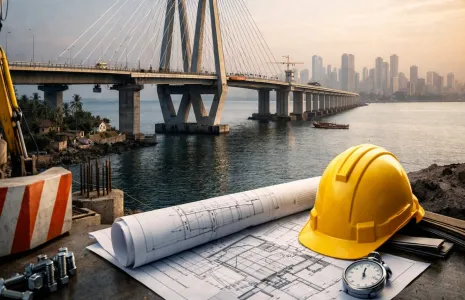
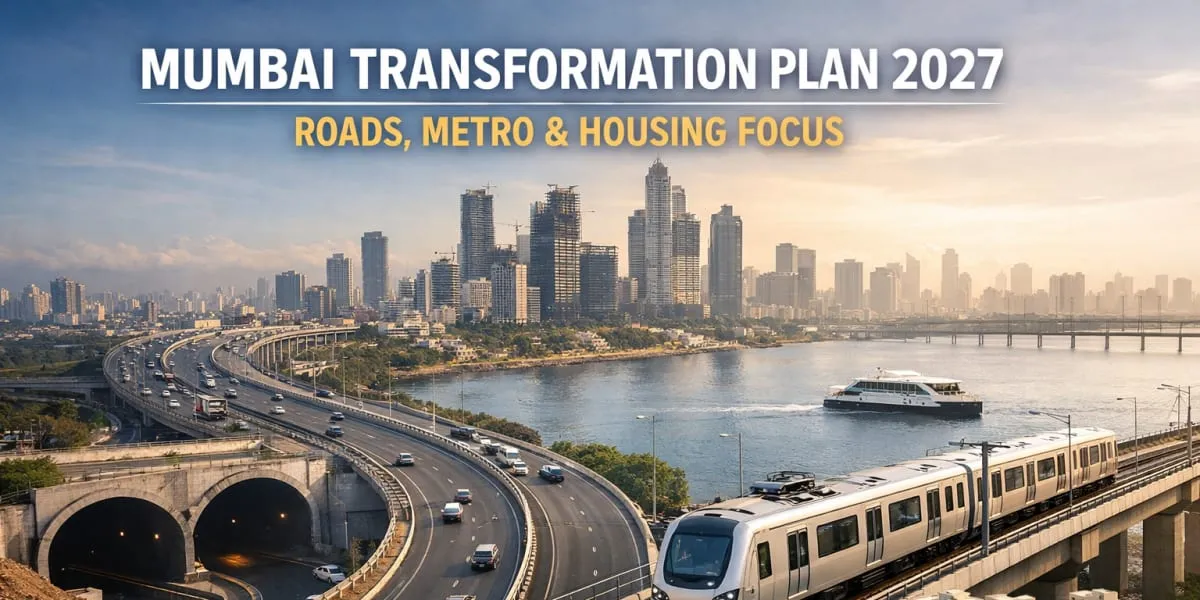
The Maharashtra government unveiled the Mumbai Transformation Plan 2027, prioritising roads, metro expansion and housing within a broader urban renewal drive. The chief minister said the roadmap aims to make the Mumbai Metropolitan Region an economic hub and reach $825 bn by 2047, with 30 new business hubs and 30 transport projects. The plan includes Water Metro services, an EduCity and proposals for Third and Fourth Mumbai.

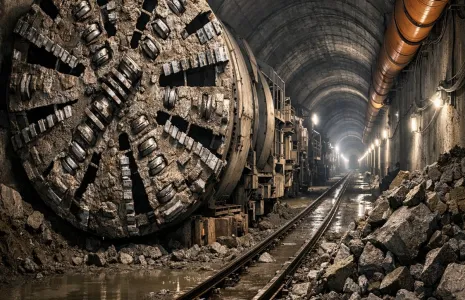
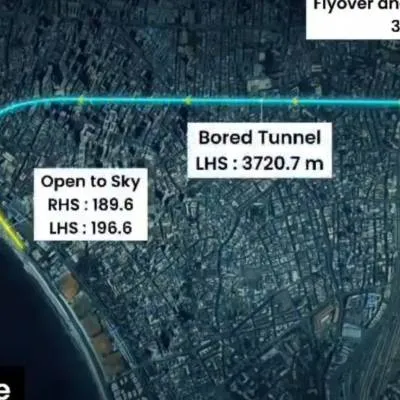
Major infrastructure works include the Goregaon-Mulund tunnel, the North Coastal Road, flyovers, railway overbridges and east–west corridors. The government said infrastructure projects worth Rs 12.26 trillion (Rs 12.26 tn) are under execution or planned over the next three years. Commitments were made to expand the Metro network and related multimodal links.

Housing and redevelopment will be driven by self-redevelopment, MHADA-led cluster schemes and the Dharavi Redevelopment Project. The chief minister said the Dharavi project is expected to be inaugurated by the Prime Minister within one and a half years and that around 10,000 homes may be ready, with industrial units exempt from GST for the first five years. MHADA plans around 0.108 million (0.108 mn) homes and Dharavi will rehabilitate nearly 0.16 million units.

He defended the Mumbai–Pune Expressway Missing Link after a landslide caused a temporary disruption, saying traffic was restored within 18 hours and IIT experts have been asked to recommend corrective measures. The chief minister described the project as an engineering milestone and urged that development work not be targeted for political reasons.

Cultural projects cited include the Dr Babasaheb Ambedkar International Memorial at Indu Mill and the Balasaheb Thackeray Memorial, both expected by January 2027. Mangrove cover rose from 302.70 sq km to 315.09 sq km since 2021, an addition of 12.4 sq km. The government said it will consider pending demands including Funnel Zone, PTS and PAP housing, extension of the additional 0.5 FSI benefit, a unified public transport ticketing system and the DPR to extend Metro Line 2B to Chita Camp–Koliwada.

"Join industry leaders at RAHSTA Expo, India's premier platform for roads, highways and traffic infrastructure. Register now to explore innovations, network with experts and shape the future of mobility."

The Maharashtra government unveiled the Mumbai Transformation Plan 2027, prioritising roads, metro expansion and housing within a broader urban renewal drive. The chief minister said the roadmap aims to make the Mumbai Metropolitan Region an economic hub and reach $825 bn by 2047, with 30 new business hubs and 30 transport projects. The plan includes Water Metro services, an EduCity and proposals for Third and Fourth Mumbai. Major infrastructure works include the Goregaon-Mulund tunnel, the North Coastal Road, flyovers, railway overbridges and east–west corridors. The government said infrastructure projects worth Rs 12.26 trillion (Rs 12.26 tn) are under execution or planned over the next three years. Commitments were made to expand the Metro network and related multimodal links. Housing and redevelopment will be driven by self-redevelopment, MHADA-led cluster schemes and the Dharavi Redevelopment Project. The chief minister said the Dharavi project is expected to be inaugurated by the Prime Minister within one and a half years and that around 10,000 homes may be ready, with industrial units exempt from GST for the first five years. MHADA plans around 0.108 million (0.108 mn) homes and Dharavi will rehabilitate nearly 0.16 million units. He defended the Mumbai–Pune Expressway Missing Link after a landslide caused a temporary disruption, saying traffic was restored within 18 hours and IIT experts have been asked to recommend corrective measures. The chief minister described the project as an engineering milestone and urged that development work not be targeted for political reasons. Cultural projects cited include the Dr Babasaheb Ambedkar International Memorial at Indu Mill and the Balasaheb Thackeray Memorial, both expected by January 2027. Mangrove cover rose from 302.70 sq km to 315.09 sq km since 2021, an addition of 12.4 sq km. The government said it will consider pending demands including Funnel Zone, PTS and PAP housing, extension of the additional 0.5 FSI benefit, a unified public transport ticketing system and the DPR to extend Metro Line 2B to Chita Camp–Koliwada.

Next Story
Real Estate

VeARC leases 27,000 sq ft office space in Bengaluru

VeARC India has leased approximately 27,000 sq ft of office space at The Executive Centre's (TEC) Helios Business Park on Outer Ring Road (ORR), Bengaluru, to support the expansion of its Global Capability Centre (GCC) operations.The new workspace accommodates more than 450 workstations and is intended to support the company's growing workforce in India. VeARC India serves as the Global Capability Centre for Long Arc Capital.Located on Bengaluru's Outer Ring Road, the office provides access to one of the city's key technology and business corridors. The expansion comes amid continued growth in..

Next Story
Real Estate

Bharat Shah Family Buys Four Luxury Apartments In Worli For Rs1.8 bn

The family of veteran investor Bharat Shah has acquired four ultra-luxury apartments on the higher floors of Kalpataru One in Worli, South Mumbai, for Rs1.8 billion (bn). The purchases were registered on 6 July 2026 and were executed through Preeti Bharat Shah and Kinnari Bharat Shah, who bought the flats from Kalpataru Properties Limited. Property registration documents reviewed by Zapkey show the total consideration at Rs1.7941 billion. The transactions recorded a per square foot RERA carpet price of Rs0.101 million (mn), with each apartment valued at about Rs448.5 million. The four residenc..

Next Story
Infrastructure Urban

NITI Aayog Consultation On Critical Mineral Supply Chains

NITI Aayog convened a stakeholder consultation in New Delhi on Wednesday to assess requirements for critical minerals across strategic sectors, bringing together experts from government, research institutions, academia and industry. The meeting aimed to estimate current and future demand, identify supply chain vulnerabilities and discuss measures to strengthen domestic capabilities in exploration, processing and recycling. The exercise formed part of broader efforts to secure mineral value chains essential for economic growth, technological advancement and national security.\n\nDiscussions con..

Advertisement

Subscribe to Our Newsletter

Get daily newsletters around different themes from Construction world.

STAY CONNECTED

Advertisement

Advertisement

Advertisement