Secretary Reviews Mineral Block Auctions And Operationalisation
ECONOMY & POLICY

Secretary Reviews Mineral Block Auctions And Operationalisation

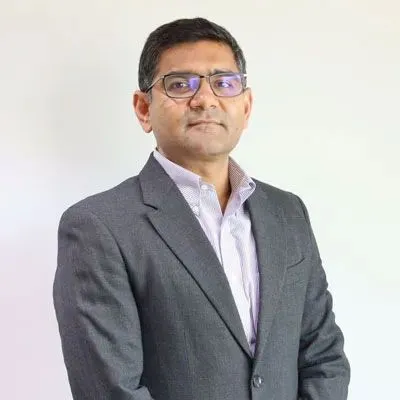
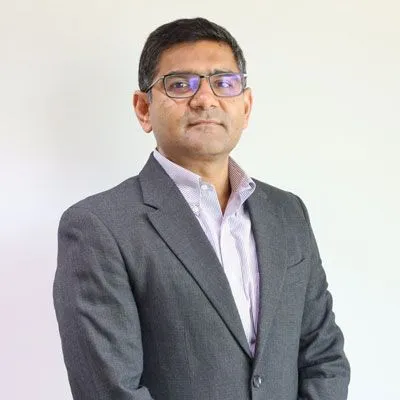
Shri Piyush Goyal, Secretary at the Ministry of Mines, chaired the ninth monthly review meeting with senior ministry officials and representatives of Category-A mineral-bearing states to examine progress on mineral block auctions and operationalisation. The discussion concentrated on accelerating reforms in the mining sector, enhancing domestic mineral production and ensuring the timely operationalisation of auctioned mineral blocks. Officials reviewed timelines and implementation challenges and set priorities for expediting statutory clearances and project commencements.

Officials noted that since the introduction of the auction regime in 2015, a total of 108 mineral blocks were auctioned during the period from FY 2015-16 to FY 2020-21. The pace of auctions increased markedly thereafter, with 364 mineral blocks auctioned between FY 2021-22 and FY 2024-25, averaging about 90 blocks per year. In FY 2025-26 alone, a record 212 mineral blocks were successfully auctioned, including 22 critical and strategic blocks identified for the country’s resource security and clean energy transition.

The meeting reviewed the operationalisation status of auctioned blocks and comparisons were drawn with earlier years. During FY 2025-26, 36 mineral blocks were operationalised, comprising 28 greenfield blocks and eight brownfield blocks. This contrasted with 58 blocks operationalised during FY 2015-16 to FY 2024-25, which comprised 20 greenfield and 38 brownfield blocks. Officials highlighted the need for close coordination between the central government and state governments and emphasised the importance of expediting clearances, facilitating early commencement of mining operations and securing timely production from auctioned blocks.

The secretary emphasised that the development of critical minerals is central to the vision of Aatmanirbhar Bharat and to strengthening India’s mineral security. He asked for sustained focus on policies that support critical mineral development and on measures to reduce delays in operationalisation. Follow-up actions were assigned to ensure continued monitoring of auction outcomes and operational milestones and timely reporting to ministry officials.

"Join industry leaders at RAHSTA Expo, India's premier platform for roads, highways and traffic infrastructure. Register now to explore innovations, network with experts and shape the future of mobility."

Shri Piyush Goyal, Secretary at the Ministry of Mines, chaired the ninth monthly review meeting with senior ministry officials and representatives of Category-A mineral-bearing states to examine progress on mineral block auctions and operationalisation. The discussion concentrated on accelerating reforms in the mining sector, enhancing domestic mineral production and ensuring the timely operationalisation of auctioned mineral blocks. Officials reviewed timelines and implementation challenges and set priorities for expediting statutory clearances and project commencements. Officials noted that since the introduction of the auction regime in 2015, a total of 108 mineral blocks were auctioned during the period from FY 2015-16 to FY 2020-21. The pace of auctions increased markedly thereafter, with 364 mineral blocks auctioned between FY 2021-22 and FY 2024-25, averaging about 90 blocks per year. In FY 2025-26 alone, a record 212 mineral blocks were successfully auctioned, including 22 critical and strategic blocks identified for the country’s resource security and clean energy transition. The meeting reviewed the operationalisation status of auctioned blocks and comparisons were drawn with earlier years. During FY 2025-26, 36 mineral blocks were operationalised, comprising 28 greenfield blocks and eight brownfield blocks. This contrasted with 58 blocks operationalised during FY 2015-16 to FY 2024-25, which comprised 20 greenfield and 38 brownfield blocks. Officials highlighted the need for close coordination between the central government and state governments and emphasised the importance of expediting clearances, facilitating early commencement of mining operations and securing timely production from auctioned blocks. The secretary emphasised that the development of critical minerals is central to the vision of Aatmanirbhar Bharat and to strengthening India’s mineral security. He asked for sustained focus on policies that support critical mineral development and on measures to reduce delays in operationalisation. Follow-up actions were assigned to ensure continued monitoring of auction outcomes and operational milestones and timely reporting to ministry officials.

Next Story
Infrastructure Transport

Railways To Operate Over 300 Special Trains For Rath Yatra

Union Railway Minister Ashwini Vaishnaw announced that Indian Railways (IR) will operate more than 300 special trains for the annual Jagannath Rath Yatra in Odisha and over 100 special trains during the Onam festival in Keralam. He flagged off the Nanded–Mumbai and Tanakpur–Nanded Express trains and inaugurated the extension of the Tanakpur–Pilibhit service up to Shahjahanpur via video conference from Rail Sadan in Bhubaneswar. He noted that the summer season, which concluded on 30 June, had seen a record 15,000 special trains. Vaishnaw stated that the newly launched services are intende..

Next Story
Infrastructure Transport

Vande Bharat Express To Start From Tripura Soon

Tripura Chief Minister Manik Saha said the Vande Bharat Express will commence operations from Tripura in the coming days after he flagged off the Agartala–Karimganj MEMU service at Agartala Railway Station. He recalled the rail history of the state, noting that a metre-gauge service first arrived in 1964 and that broad gauge reached Agartala in 2008 following national projects and later upgrades under the Act East policy. The event was described as a milestone for regional connectivity and the MEMU was presented as the first electric passenger train to originate from Tripura.\n\nSaha said he..

Next Story
Infrastructure Urban

MEMU Suspension Disrupts Commuters Between Vadodara And Dahod

The Vadodara–Dahod Mainline Electric Multiple Unit (MEMU) service has been temporarily suspended for 26 days after its rake was diverted to Odisha to manage the surge in passenger traffic during the annual Rath Yatra in Puri. Indian Railways redeployed several MEMU rakes from different zones to meet the additional travel demand for the festival scheduled from the seventh of July to the second of August. As a result, train numbers 69233 and 69234 operating between Vadodara and Dahod will remain cancelled for the duration. Railway authorities advised passengers to use alternative train service..

Advertisement

Subscribe to Our Newsletter

Get daily newsletters around different themes from Construction world.

STAY CONNECTED

Advertisement

Advertisement

Advertisement