
TDB Supports Scharge For India–UK EV Charging R&D
ECONOMY & POLICY

TDB Supports Scharge For India–UK EV Charging R&D

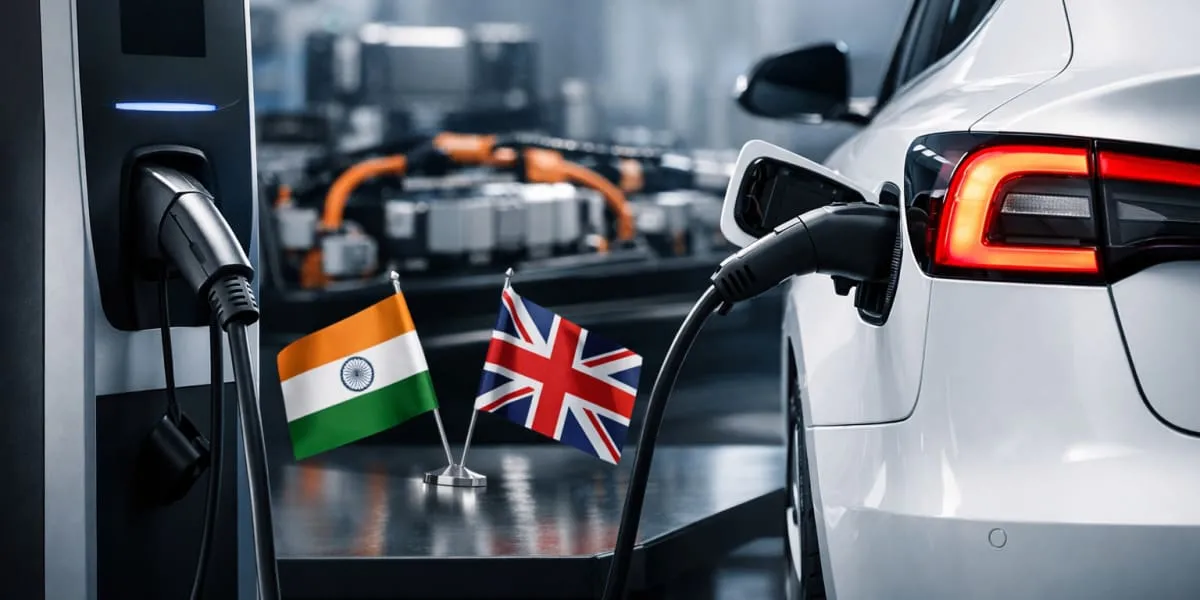
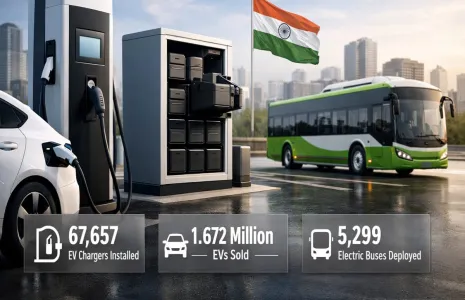
The Technology Development Board (TDB), Department of Science & Technology (DST), Government of India, has signed an agreement with Scharge Pvt Limited for a project titled Powering EV Charging Innovation. The project is supported under the India–UK Collaborative R&D Programme for Industrial Sustainability and is being carried out in partnership with UK-based Albright Product Design Limited. TDB support aims to accelerate development of advanced, industry-relevant electric vehicle (EV) charging technologies suitable for commercial deployment.

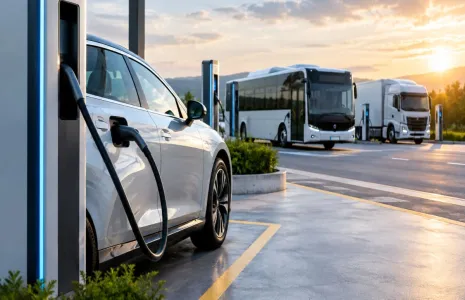
The supported project focuses on a next-generation EV charging solution tailored for commercial fleet and depot operations and seeks to address operational bottlenecks in high-demand charging environments. Scharge brings an innovative charger charge controller while the UK partner contributes a patented automated cable management system, creating an integrated approach to depot charging. The collaboration is intended to deliver solutions that are efficient, reliable and usable within existing operational workflows.

The technology introduces a motorised overhead cable management system designed specifically for fleet applications to reduce manual handling and limit cable wear and tear and vandalism risks. The system is compatible with existing AC Type-two EV chargers and is expected to improve charging turnaround times while ensuring organised infrastructure in depot settings. By integrating equipment protection and workflow optimisation, the solution seeks to enhance depot efficiency and safety standards.

Scharge Pvt Limited is described as an emerging Indian EV technology company focused on power electronics and smart charging systems and will use the project to strengthen indigenous capabilities in EV charging technologies. The collaboration is intended to enable scalable and sustainable infrastructure that supports the growing electric mobility sector and addresses fleet operator needs. TDB officials indicated that India–UK collaborative R&D initiatives play a critical role in accelerating development of industry-relevant technologies and in supporting rapid adoption of electric mobility. Company representatives expressed appreciation for the support and noted that the project will help bring globally competitive charging solutions to market.

The Technology Development Board (TDB), Department of Science & Technology (DST), Government of India, has signed an agreement with Scharge Pvt Limited for a project titled Powering EV Charging Innovation. The project is supported under the India–UK Collaborative R&D Programme for Industrial Sustainability and is being carried out in partnership with UK-based Albright Product Design Limited. TDB support aims to accelerate development of advanced, industry-relevant electric vehicle (EV) charging technologies suitable for commercial deployment. The supported project focuses on a next-generation EV charging solution tailored for commercial fleet and depot operations and seeks to address operational bottlenecks in high-demand charging environments. Scharge brings an innovative charger charge controller while the UK partner contributes a patented automated cable management system, creating an integrated approach to depot charging. The collaboration is intended to deliver solutions that are efficient, reliable and usable within existing operational workflows. The technology introduces a motorised overhead cable management system designed specifically for fleet applications to reduce manual handling and limit cable wear and tear and vandalism risks. The system is compatible with existing AC Type-two EV chargers and is expected to improve charging turnaround times while ensuring organised infrastructure in depot settings. By integrating equipment protection and workflow optimisation, the solution seeks to enhance depot efficiency and safety standards. Scharge Pvt Limited is described as an emerging Indian EV technology company focused on power electronics and smart charging systems and will use the project to strengthen indigenous capabilities in EV charging technologies. The collaboration is intended to enable scalable and sustainable infrastructure that supports the growing electric mobility sector and addresses fleet operator needs. TDB officials indicated that India–UK collaborative R&D initiatives play a critical role in accelerating development of industry-relevant technologies and in supporting rapid adoption of electric mobility. Company representatives expressed appreciation for the support and noted that the project will help bring globally competitive charging solutions to market.

Next Story
Infrastructure Transport

AFCONS & Navayuga set world records with Missing Link Expressway

Maharashtra’s most ambitious greenfield bypass — a 13.3-km alignment carrying twin record-setting tunnels and India’s tallest cable-stayed road bridge — was thrown open to traffic on Maharashtra Day, finally completing the Mumbai–Pune Expressway after a 23-year wait. CW reports…The 650-m cable-stayed bridge over Tiger Valley at sunset — the package executed by Afcons Infrastructure Ltd carries 182-m pylons, the tallest on any Indian road bridge.On 1 May 2026, Chief Minister Devendra Fadnavis, flanked by Deputy Chief Ministers Eknath Shinde and Sunetra Pawar (representing the late..

Next Story
Infrastructure Transport

Mumbai–Pune Missing Link boosts realty prospects

The recently opened ‘missing link’ on the Mumbai–Pune Expressway is set to significantly transform connectivity between the two cities by reducing travel time and bypassing the challenging ghat section. The new alignment, featuring tunnels and viaducts, is designed to improve safety, ease congestion and ensure a smoother, faster commute for both passenger and commercial traffic.With improved travel efficiency, the corridor is expected to strengthen intercity movement, encouraging more frequent travel for work, leisure and logistics. This enhanced accessibility is likely to benefit real e..

Next Story
Infrastructure Urban

How Hormuz is Hijacking Indian Highways

At the recently held RAHSTA Round Table on 29th April in Pune, and earlier during our webinars for Cement Expo by Indian Cement Review and by FIRST Construction Council on manufacturing construction equipment for the world, one thread lay common: the industry is being subjected to a cost-push chain reaction moving from crude oil → freight/insurance → steel, cement fuel, bitumen, polymers, packaging, logistics and finally project margins. Indeed, the West Asia crisis caused by the war and the Hormuz Strait blockade, which does not directly concern us, has turned around and hit us. If the wa..

Advertisement

Subscribe to Our Newsletter

Get daily newsletters around different themes from Construction world.

STAY CONNECTED

Advertisement

Advertisement

Advertisement