Genesys Unveils India's First 3D Subsurface Mapping System
AVIATION & AIRPORTS

Genesys Unveils India's First 3D Subsurface Mapping System

Genesys International has launched India’s first 3D subsurface mapping solution, addressing a critical global requirement in modern infrastructure development. This marks the country’s first use of 3D Ground Penetrating Radar (GPR) for comprehensive detection and mapping of underground utilities.

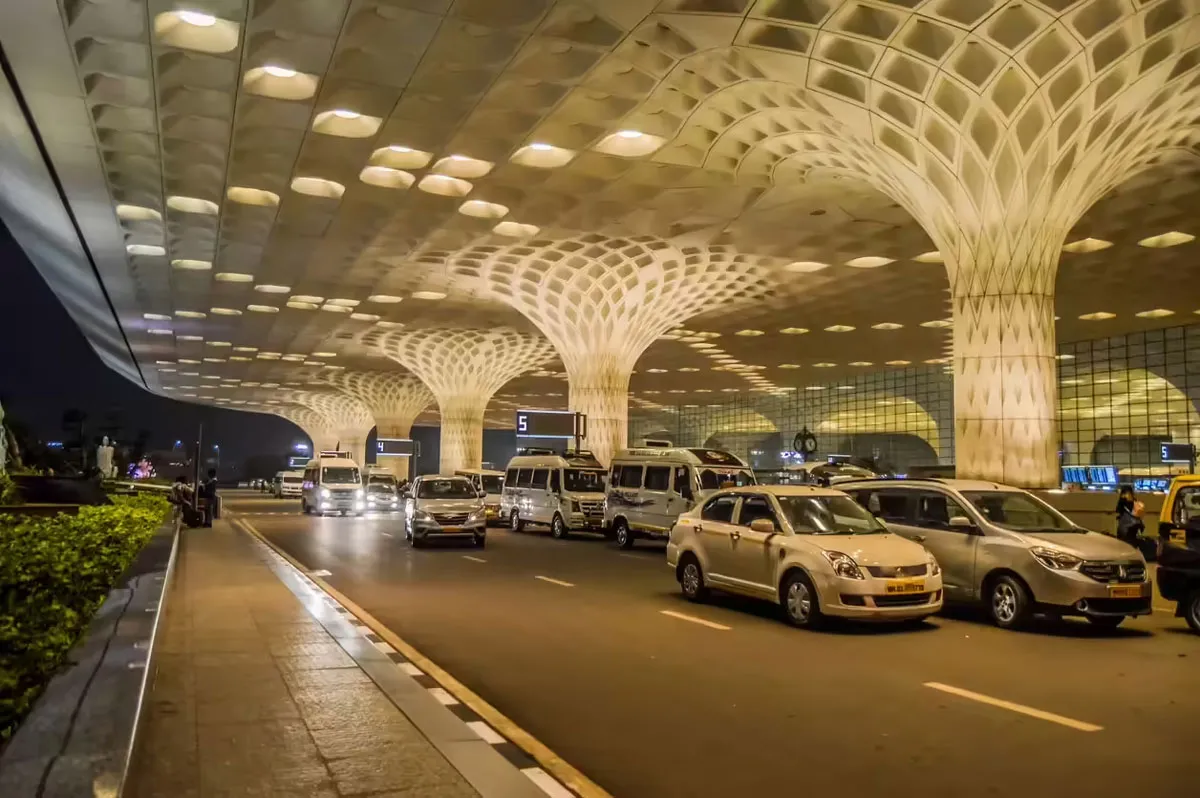
Under the project, Genesys will deploy its advanced 3D GPR systems across several Adani Group airports, including Mumbai, Trivandrum, Lucknow, Jaipur, Guwahati and Ahmedabad. The initiative will be followed by the creation of detailed 3D Building Information Modelling (BIM) outputs, enabling complete digitisation of airport environments. High-precision LiDAR systems will be used alongside 3D GPR to produce highly accurate, high-resolution 3D models.

With extensive experience in large-scale geospatial and digitisation projects across India and Saudi Arabia, Genesys continues to strengthen its position as a leader in next-generation mapping technologies. The latest award further enhances its portfolio in global aviation infrastructure, reinforcing its commitment to supporting world-class airport development.

As India’s infrastructure requirements expand, such technologies are increasingly vital. The rollout of 3D subsurface mapping extends Genesys’ leadership in 3D solutions, following the recent launch of its 3D ADAS navigation maps, adopted by Tata Motors.

The award, valued at Rs 173.8 million, has been granted by Bureau Veritas, a global leader in testing, inspection and certification services supporting infrastructure advancement worldwide.

Genesys International has launched India’s first 3D subsurface mapping solution, addressing a critical global requirement in modern infrastructure development. This marks the country’s first use of 3D Ground Penetrating Radar (GPR) for comprehensive detection and mapping of underground utilities. Under the project, Genesys will deploy its advanced 3D GPR systems across several Adani Group airports, including Mumbai, Trivandrum, Lucknow, Jaipur, Guwahati and Ahmedabad. The initiative will be followed by the creation of detailed 3D Building Information Modelling (BIM) outputs, enabling complete digitisation of airport environments. High-precision LiDAR systems will be used alongside 3D GPR to produce highly accurate, high-resolution 3D models. With extensive experience in large-scale geospatial and digitisation projects across India and Saudi Arabia, Genesys continues to strengthen its position as a leader in next-generation mapping technologies. The latest award further enhances its portfolio in global aviation infrastructure, reinforcing its commitment to supporting world-class airport development. As India’s infrastructure requirements expand, such technologies are increasingly vital. The rollout of 3D subsurface mapping extends Genesys’ leadership in 3D solutions, following the recent launch of its 3D ADAS navigation maps, adopted by Tata Motors. The award, valued at Rs 173.8 million, has been granted by Bureau Veritas, a global leader in testing, inspection and certification services supporting infrastructure advancement worldwide.

Next Story
Real Estate

A Paradigm Shift

The Indian real-estate and construction sector, which employs a significant number of organised and unorganised workers in the country, has embarked on a paradigm shift in its regulatory framework from an employment law perspective. With the four Labour Codes – the Code on Wages, 2019 (Wage Code); the Industrial Relations Code, 2020 (IR Code); the Code on Social Security, 2020 (SS Code) and the Occupational Safety, Health and Working Conditions Code, 2020 (OSH Code) – coming into effect in India from November 21, 2025, the industry is shifting away from a fragmented, contractor- driven com..

Next Story
Technology

We offer end-to-end traceability at scale

mjunction has evolved from an e-auction pioneer into a multi-vertical digital commerce platform with deep expertise in complex steel and coal supply chains. Its end-to-end, AI-led architecture focuses on price discovery, traceability, compliance and scalability, enabling transparent procurement, efficient logistics and data-driven decision-making across geographies. Vinaya Varma, MD, shares more about the company in conversation with CW.From a technology standpoint, what are the core USPs of mjunction today that differentiate it in steel and coal supply chains?mjunction has evolved b..

Next Story
Infrastructure Urban

Henkel, Rotary Recycle PoP Ganesha Idols Under Project HARMONY

Henkel India, in partnership with the Rotary Club of Navi Mumbai – Joy of Giving and with support from the Navi Mumbai Municipal Corporation (NMMC), has advanced circular sustainability through Project HARMONY by recycling Plaster of Paris (PoP) Ganesha idols into community learning assets. The initiative highlights an integrated approach to environmental restoration and social impact.As part of the project, materials collected after Ganesh Visarjan 2025 at Nerul were responsibly diverted from land and water bodies and processed at an authorised recycling facility, with on-ground execution s..

Advertisement

Subscribe to Our Newsletter

Get daily newsletters around different themes from Construction world.

STAY CONNECTED

Advertisement

Advertisement

Advertisement

Advertisement

Open In App