85 National Highway Projects Delayed Over Three Years
ROADS & HIGHWAYS

85 National Highway Projects Delayed Over Three Years

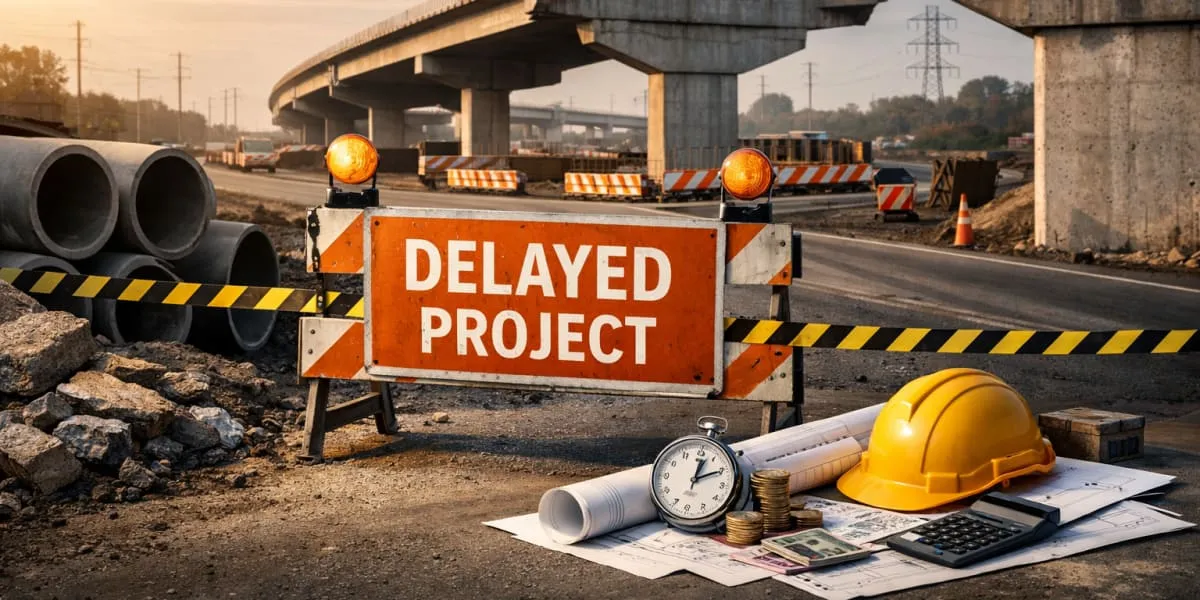
As per data presented to the Rajya Sabha, 85 under-construction national highway projects are delayed by more than three years due to multiple factors. Bottlenecks cited include land acquisition, statutory clearances and permissions, utility shifting, encroachment removal and law and order issues. The situation has affected project timelines across regions and increased scrutiny of implementation processes. Delays have led to extended completion timelines and increased cost assessments for the affected stretches, prompting calls for tighter project management.

Other contributing factors comprise a financial crunch affecting implementation capacity of concessionaire or contractor, poor performance of contractors and force majeure events such as the Covid-19 pandemic and change of law. The minister said the government has initiated measures to prevent recurrence of delays and related cost escalations. Those measures aim to strengthen oversight and reduce procedural friction. The measures include enhanced contract monitoring and periodic reviews to bring projects back on schedule.

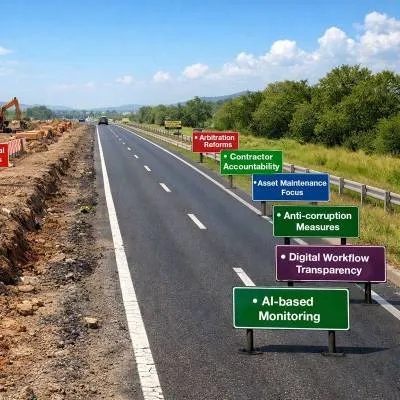
Efforts to expedite land acquisition and compensation include use of the BhoomiRashi portal integrated with the Public Finance Management System (PFMS) and a GIS-based Land Acquisition Plan. The Parivesh portal has been revamped to facilitate faster forest and environmental clearances. Online approval of General Arrangement of Drawings (GAD) for Road Over Bridge and Road Under Bridge has been enabled to speed structural approvals. Greater use of digital records and geospatial data is intended to improve transparency and decision-making during implementation.

The ministry is also leveraging a mechanism for review and resolution of bottlenecks and hindrances in ongoing projects to ensure timely completion. Emphasis has been placed on monitoring concessionaire performance and addressing statutory and financial impediments at early stages. Officials expect improved coordination and use of digital tools to curtail future delays. The focus on early intervention and technological integration is expected to reduce bottlenecks and limit future cost increases.

As per data presented to the Rajya Sabha, 85 under-construction national highway projects are delayed by more than three years due to multiple factors. Bottlenecks cited include land acquisition, statutory clearances and permissions, utility shifting, encroachment removal and law and order issues. The situation has affected project timelines across regions and increased scrutiny of implementation processes. Delays have led to extended completion timelines and increased cost assessments for the affected stretches, prompting calls for tighter project management. Other contributing factors comprise a financial crunch affecting implementation capacity of concessionaire or contractor, poor performance of contractors and force majeure events such as the Covid-19 pandemic and change of law. The minister said the government has initiated measures to prevent recurrence of delays and related cost escalations. Those measures aim to strengthen oversight and reduce procedural friction. The measures include enhanced contract monitoring and periodic reviews to bring projects back on schedule. Efforts to expedite land acquisition and compensation include use of the BhoomiRashi portal integrated with the Public Finance Management System (PFMS) and a GIS-based Land Acquisition Plan. The Parivesh portal has been revamped to facilitate faster forest and environmental clearances. Online approval of General Arrangement of Drawings (GAD) for Road Over Bridge and Road Under Bridge has been enabled to speed structural approvals. Greater use of digital records and geospatial data is intended to improve transparency and decision-making during implementation. The ministry is also leveraging a mechanism for review and resolution of bottlenecks and hindrances in ongoing projects to ensure timely completion. Emphasis has been placed on monitoring concessionaire performance and addressing statutory and financial impediments at early stages. Officials expect improved coordination and use of digital tools to curtail future delays. The focus on early intervention and technological integration is expected to reduce bottlenecks and limit future cost increases.

Next Story
Technology

India Data Centre Market to Cross USD 22 Bn by 2030: Vestian

India’s data centre market is projected to more than double from around USD 10 billion in 2025 to USD 22 billion by 2030, according to a latest report by Vestian. The growth is expected to be driven by rising cloud adoption, expanding AI workloads and increasing demand for data-intensive digital services.Vestian noted that the global data centre sector is witnessing rapid expansion, with current installed capacity estimated at 40–50 GW and projections exceeding 100 GW by 2030. Within this evolving landscape, India is emerging as a strategic hub in the Asia-Pacific region, supported by its ..

Next Story
Real Estate

Retail Leasing Hits 4.3 Mn Sq Ft in H2 2025: ANAROCK RELEAP 2026

India’s retail real estate market recorded a total retail absorption of around 4.3 million sq ft across the top seven cities in H2 2025, reflecting steady leasing activity despite a dynamic market environment, according to ANAROCK Retail’s flagship report, RELEAP 2026.The report highlights a structural shift in the sector as organised retail moves beyond transactional formats toward experience-led spaces that combine shopping, entertainment and dining. Apparel emerged as the leading category driving leasing demand during the period, followed by entertainment, hypermarkets/supermarkets, and..

Next Story
Building Material

Berger Paints Launches ‘Garmi Gone, Thandak On’ Cooling Range

Berger Paints India has launched its Home Cooling Paints Range along with a nationwide campaign titled ‘Garmi Gone, Thandak On’, as rising temperatures continue to pose growing challenges for households across India.The company said the campaign promotes smarter and energy-efficient cooling solutions by focusing on preventing heat from entering homes rather than relying solely on air conditioning. Berger Paints stated that a significant amount of heat enters homes through walls, rooftops and structural openings, making surface protection an important factor in reducing indoor discomfort du..

Advertisement

Subscribe to Our Newsletter

Get daily newsletters around different themes from Construction world.

STAY CONNECTED

Advertisement

Advertisement

Advertisement