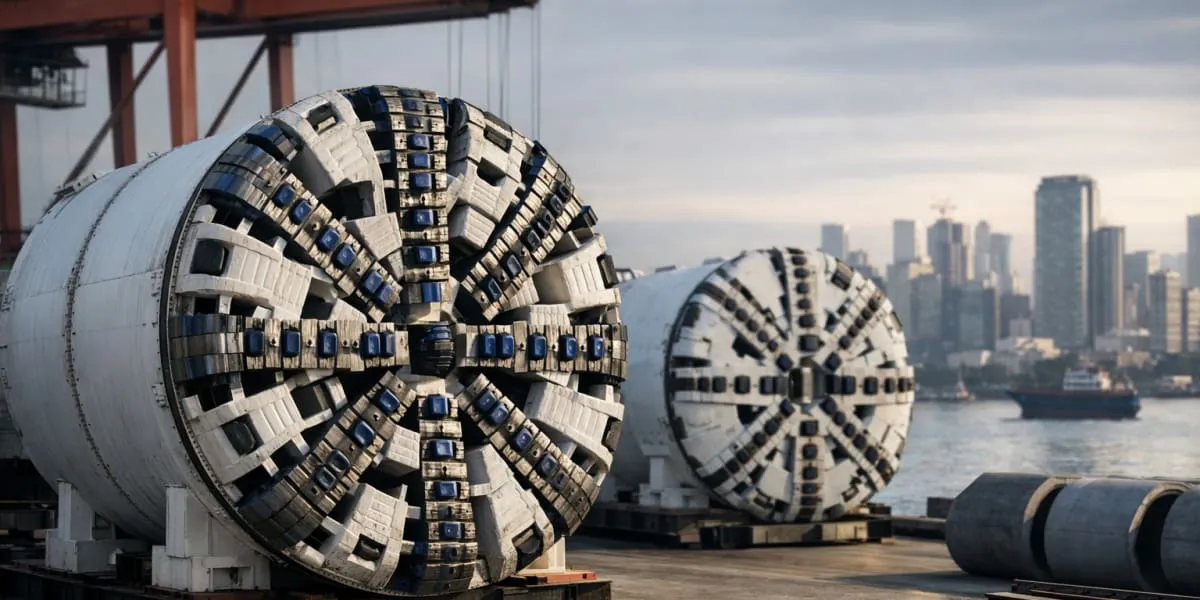
Tunnel Boring Machines Arrive In Mumbai For Bullet Train
ROADS & HIGHWAYS

Tunnel Boring Machines Arrive In Mumbai For Bullet Train

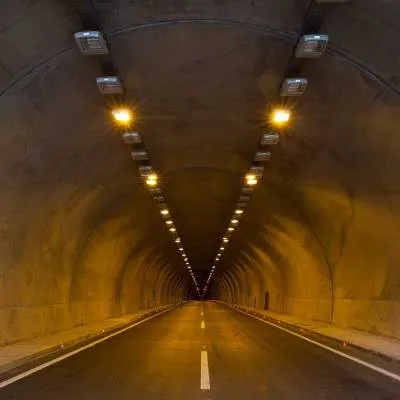
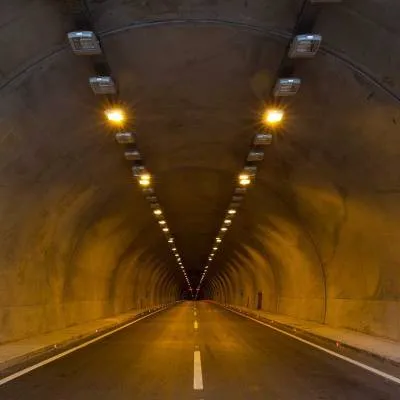
Multiple tunnel boring machines (TBMs) for the Mumbai section of the Mumbai-Ahmedabad High Speed Rail project are scheduled to arrive in Mumbai today, officials said. The machines will be delivered to the staging port and moved to assembly sites ahead of tunnelling operations. The arrival marks a major logistical milestone for the National High-Speed Rail Corporation Limited (NHSRCL), which is overseeing construction of the high speed line. The machines incorporate mechanised cutting heads and segmental lining systems to maintain progress in varied soil conditions.\n\nThe TBMs will be assembled at designated launch shafts and subjected to factory acceptance tests before excavation begins. Each TBM is designed to operate in urban ground conditions and will excavate and line tunnels for underground corridors and station approaches. Support equipment and systems for spoil removal, segment erection and machine navigation will be deployed alongside the machines. Specialist crews will operate the machines with remote monitoring and scheduled maintenance.\n\nTransport and heavy lift operations have been coordinated with port authorities and municipal agencies to manage traffic and safety during offloading and transfer to worksites. Engineers will carry out trial runs, calibrate guidance systems and complete commissioning before the machines commence continuous tunnelling. Environmental safeguards and noise mitigation measures will be implemented to limit disruption to surrounding communities. Authorities have outlined emergency response plans and will monitor vibration and settlement during works.\n\nThe deployment of tunnel boring machines is expected to accelerate construction timelines and reduce the duration of surface disruption compared with open cut tunnelling. Progress on the Mumbai segment will be monitored by project authorities and is likely to influence schedules for subsequent sections of the corridor. The initiative is part of broader efforts to enhance regional connectivity and support urban infrastructure development. Officials expect the work to generate construction related employment and to introduce new technical skills locally.

Multiple tunnel boring machines (TBMs) for the Mumbai section of the Mumbai-Ahmedabad High Speed Rail project are scheduled to arrive in Mumbai today, officials said. The machines will be delivered to the staging port and moved to assembly sites ahead of tunnelling operations. The arrival marks a major logistical milestone for the National High-Speed Rail Corporation Limited (NHSRCL), which is overseeing construction of the high speed line. The machines incorporate mechanised cutting heads and segmental lining systems to maintain progress in varied soil conditions.\n\nThe TBMs will be assembled at designated launch shafts and subjected to factory acceptance tests before excavation begins. Each TBM is designed to operate in urban ground conditions and will excavate and line tunnels for underground corridors and station approaches. Support equipment and systems for spoil removal, segment erection and machine navigation will be deployed alongside the machines. Specialist crews will operate the machines with remote monitoring and scheduled maintenance.\n\nTransport and heavy lift operations have been coordinated with port authorities and municipal agencies to manage traffic and safety during offloading and transfer to worksites. Engineers will carry out trial runs, calibrate guidance systems and complete commissioning before the machines commence continuous tunnelling. Environmental safeguards and noise mitigation measures will be implemented to limit disruption to surrounding communities. Authorities have outlined emergency response plans and will monitor vibration and settlement during works.\n\nThe deployment of tunnel boring machines is expected to accelerate construction timelines and reduce the duration of surface disruption compared with open cut tunnelling. Progress on the Mumbai segment will be monitored by project authorities and is likely to influence schedules for subsequent sections of the corridor. The initiative is part of broader efforts to enhance regional connectivity and support urban infrastructure development. Officials expect the work to generate construction related employment and to introduce new technical skills locally.

Next Story
Real Estate

Pecan Realty Completes Rs 1.5 Billion Transactions

Pecan Realty has recently completed four institutional transactions worth over Rs 1.5 billion over the past two years, strengthening its position as an execution-led real estate platform. The deals include resolution-led acquisitions, structured finance transactions and capital partnerships across its development portfolio.The transactions covered acquisitions through the National Company Law Tribunal process and helped provide repayment or exits to both private and public sector lenders. The company said the deals demonstrate its ability to resolve complex project situations, work with instit..

Next Story
Real Estate

SNN Estates Expands North Bengaluru Housing Project

SNN Estates has announced an expansion of its SNN Estates Felicity residential project in North Bengaluru following strong buyer demand, with 75 per cent of the first-phase inventory sold within three days of launch.The developer will add 76 apartments in the new phase, taking the project's estimated revenue potential to around Rs 1,000 crore upon completion of Phase 2.Spread across 6.5 acres in Rachenahalli, near Manyata Tech Park, the project comprises 604 apartments in 1.5, 2, 2.5, 3 and 4 BHK configurations. The development includes a 50,000-sq-ft clubhouse with amenities such as sports co..

Next Story
Infrastructure Urban

SCG Drives ASEAN Industrial Transformation Strategy

SCG is strengthening its focus on ASEAN as a key growth region by advancing industrial transformation, enhancing competitiveness and building resilient regional value chains. Thammasak Sethaudom, President and Chief Executive Officer, SCG, highlighted the need for industries to continuously develop capabilities, strengthen resilience and deepen regional cooperation to achieve sustainable long-term growth.SCG views ASEAN as an important growth engine alongside China, supported by favourable demographics, trade connectivity and investment flows. With ASEAN’s GDP projected to grow by around 4.7..

Advertisement

Subscribe to Our Newsletter

Get daily newsletters around different themes from Construction world.

STAY CONNECTED

Advertisement

Advertisement

Advertisement