Uttarakhand To Convert Rail Escape Tunnels Into Parallel Roads
ROADS & HIGHWAYS

Uttarakhand To Convert Rail Escape Tunnels Into Parallel Roads

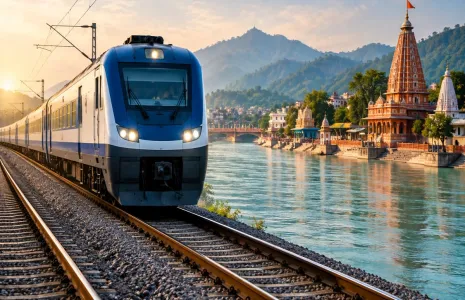
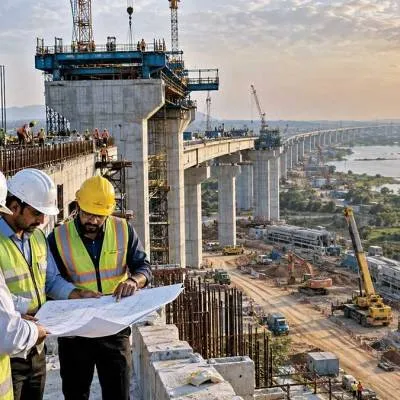
The Rishikesh–Karanprayag rail project is entering its final stretch and is being positioned as a linchpin for connectivity and strategic infrastructure in Uttarakhand. The state government sees the line as central to the Char Dham pilgrimage network and to wider economic development. Officials describe the project as an engineering priority that will reshape transport and regional planning.

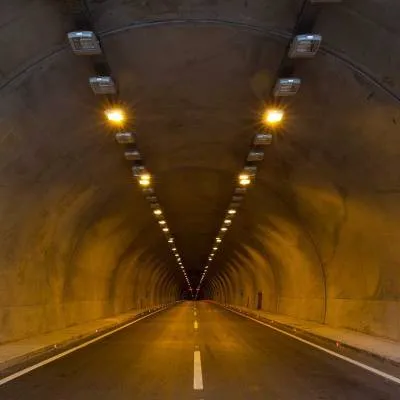
The government is exploring a plan to convert safety escape tunnels built alongside the main tracks into functional parallel roads to serve both emergency relief operations and routine local traffic. Chief Minister Pushkar Singh Dhami hailed the initiative as a decisive turning point for the mountain economy, tourism and national security and said the tunnels would provide long term benefits for disaster management. Infrastructure experts regard the proposal as visionary given the region's vulnerability to landslides and other natural hazards.

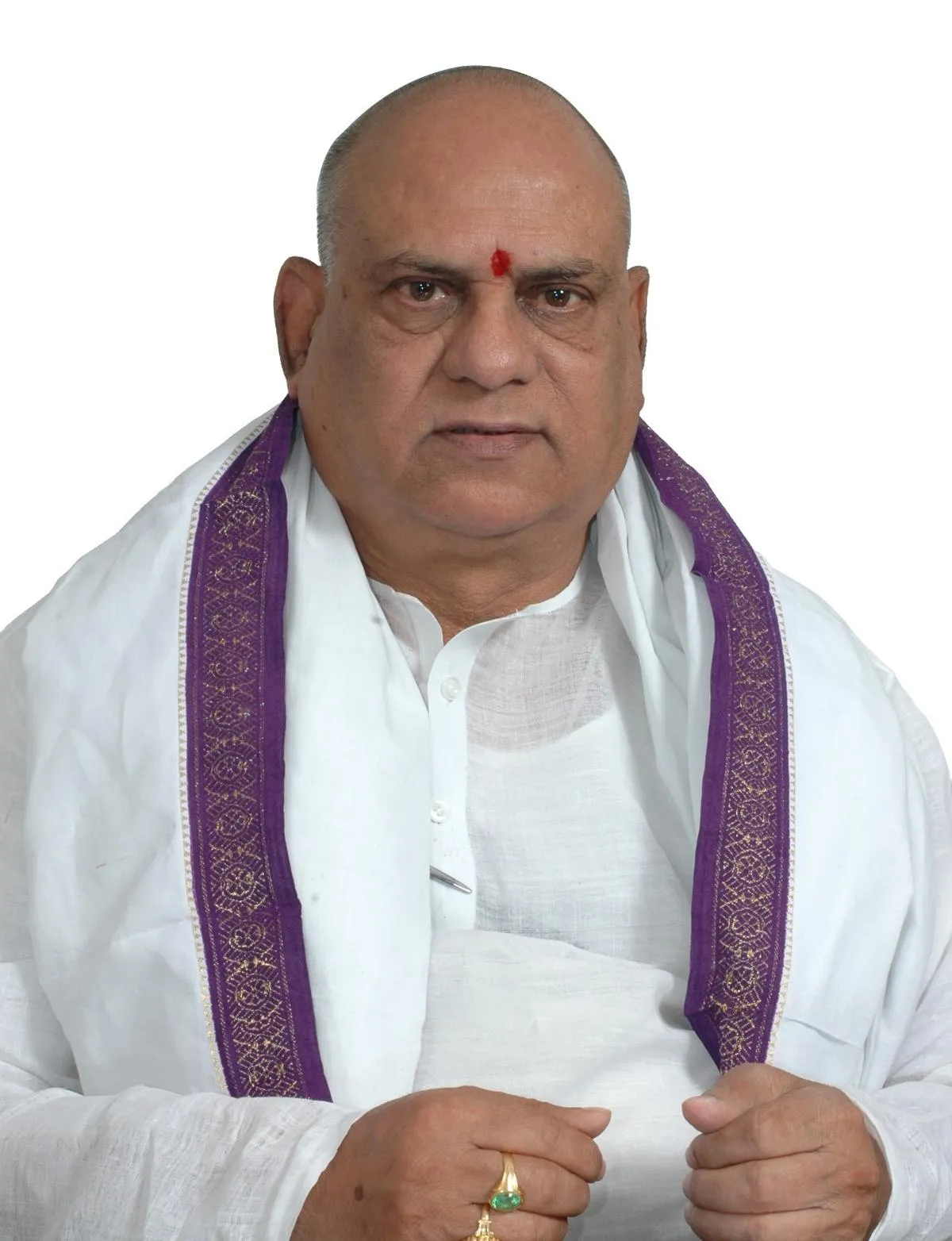
Tourism and Culture Minister Satpal Maharaj said railway stations are being designed as cultural hubs that link transport to local heritage and economic activity. He outlined themed stations intended to offer pilgrims a curated spiritual experience and to showcase regional traditions on a larger platform. Examples cited include stations themed on Neelkanth Mahadev at Shivpuri, Samudra Manthan at Devprayag and Maa Rajrajeshwari at Srinagar, while additional stations will honour Maharishi Ved Vyas at Byasi, Veer Madho Singh Bhandari at Maletha, Badrinath and Radha–Krishna at Karanprayag and Bal Govind Krishna at Gauchar.

Attention is also turning to the Tanakpur–Bageshwar rail link, with the state considering three potential survey routes to connect the Kumaon region, including options towards Almora and Someshwar. The state has indicated it will press the Central Government to consider classifying the Tanakpur–Bageshwar line as a National Project to secure funding and administrative support for construction in difficult terrain. Analysts said the combined approach of integrating rail, road and cultural tourism could be transformational, creating localised self employment and helping to curb migration from mountain communities.

The Rishikesh–Karanprayag rail project is entering its final stretch and is being positioned as a linchpin for connectivity and strategic infrastructure in Uttarakhand. The state government sees the line as central to the Char Dham pilgrimage network and to wider economic development. Officials describe the project as an engineering priority that will reshape transport and regional planning. The government is exploring a plan to convert safety escape tunnels built alongside the main tracks into functional parallel roads to serve both emergency relief operations and routine local traffic. Chief Minister Pushkar Singh Dhami hailed the initiative as a decisive turning point for the mountain economy, tourism and national security and said the tunnels would provide long term benefits for disaster management. Infrastructure experts regard the proposal as visionary given the region's vulnerability to landslides and other natural hazards. Tourism and Culture Minister Satpal Maharaj said railway stations are being designed as cultural hubs that link transport to local heritage and economic activity. He outlined themed stations intended to offer pilgrims a curated spiritual experience and to showcase regional traditions on a larger platform. Examples cited include stations themed on Neelkanth Mahadev at Shivpuri, Samudra Manthan at Devprayag and Maa Rajrajeshwari at Srinagar, while additional stations will honour Maharishi Ved Vyas at Byasi, Veer Madho Singh Bhandari at Maletha, Badrinath and Radha–Krishna at Karanprayag and Bal Govind Krishna at Gauchar. Attention is also turning to the Tanakpur–Bageshwar rail link, with the state considering three potential survey routes to connect the Kumaon region, including options towards Almora and Someshwar. The state has indicated it will press the Central Government to consider classifying the Tanakpur–Bageshwar line as a National Project to secure funding and administrative support for construction in difficult terrain. Analysts said the combined approach of integrating rail, road and cultural tourism could be transformational, creating localised self employment and helping to curb migration from mountain communities.

Next Story
Infrastructure Urban

Güntner Showcases Cooling Tech at China Expo

Güntner showcased its latest refrigeration and air conditioning innovations at China Refrigeration 2026, highlighting digital intelligence and carbon-neutral solutions.The company presented its aicore™ Controls and IoT platform, designed to optimise energy consumption, enable remote monitoring and enhance lifecycle management of cooling systems. The solution integrates advanced controllers and cloud-based capabilities to improve operational efficiency and reduce energy use.Güntner also demonstrated advancements in heat pump technologies, including its role in projects such as the Ordos Zer..

Next Story
Real Estate

Superb Realty Ties Up with Praan for AI Air Tech

Superb Realty has partnered with Praan to deploy AI-powered autonomous air infrastructure across over one million sq ft of real estate in Mumbai, marking a significant move towards intelligent indoor environments.The rollout will begin at Superb Altura and expand across upcoming residential and mixed-use developments. The initiative aims to integrate real-time sensing, adaptive purification and AI-led optimisation to improve indoor air quality and occupant experience.Praan’s technology is designed to remove ultrafine particles significantly smaller than conventional systems and eliminate har..

Next Story
Technology

DAAKit Raises $138,000 in Pre-Seed Round

DAAKit has raised $138,000 in a pre-seed funding round led by Inflection Point Ventures to expand its hyperlocal fulfilment network and strengthen technology capabilities.The company plans to use the funds to launch 25 new dark stores across Tier I and Tier II cities, enhance its technology infrastructure, and expand its leadership and operations teams. Currently operational in Delhi, Gurugram, Mumbai, Bengaluru and Kolkata, DAAKit is also piloting expansion into Tier II markets through Lucknow.Built on an asset-light, technology-driven model, the platform enables brands to position inventory ..

Advertisement

Subscribe to Our Newsletter

Get daily newsletters around different themes from Construction world.

STAY CONNECTED

Advertisement

Advertisement

Advertisement