MP Urges Odisha Chief Minister To Reconsider Bhubaneswar Metro Project
RAILWAYS & METRO RAIL

MP Urges Odisha Chief Minister To Reconsider Bhubaneswar Metro Project

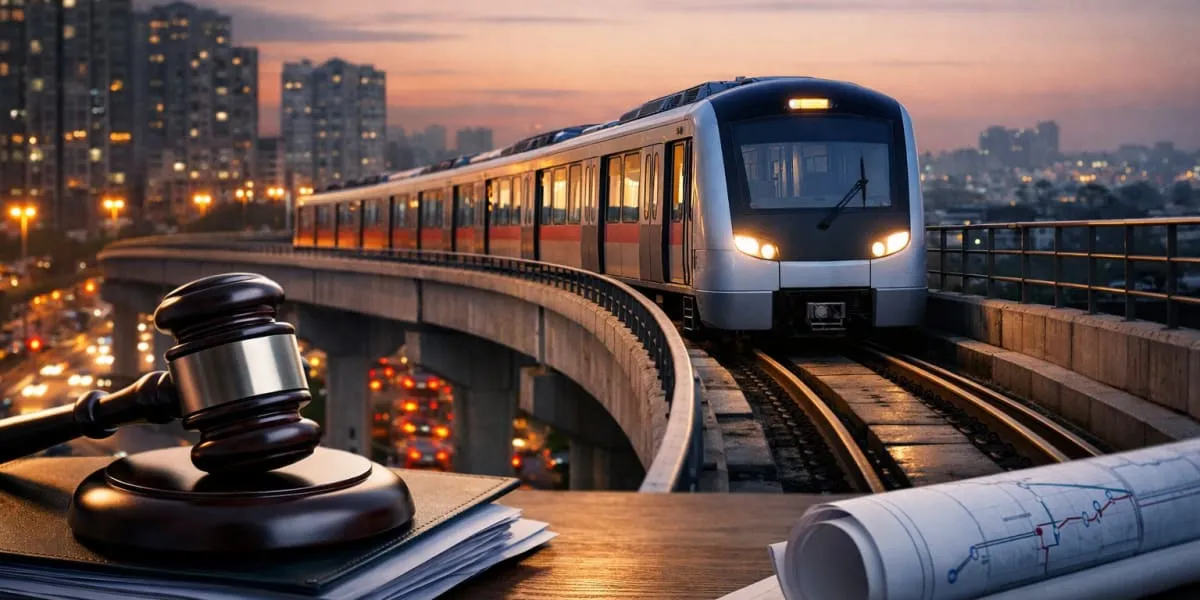
MP Aparajita Sarangi has urged the Odisha Chief Minister to reconsider the State Cabinet's decision to halt the Bhubaneswar Metro Rail Project, citing public concern and strong demand for modern urban mobility. She highlighted rapid urbanisation and population growth in Bhubaneswar that have increased traffic congestion and created a pressing need for a high-capacity transportation system. The appeal framed the project as essential to sustainable urban mobility and long-term planning.

Sarangi presented the metro as a catalyst for economic growth, job creation and urban development, and argued that a modern system would serve vulnerable groups including senior citizens, women, children and differently-abled people. She noted that improved access to landmarks such as Lingaraj Temple, Dhauli and the ISKCON Temple could boost tourism and the city's investment appeal. The case was positioned as aligned with the Government's Viksit Odisha vision.

The letter emphasised projected population increases across Bhubaneswar, Cuttack and Khurda that will place greater demands on infrastructure and commuting. Reference was made to other Indian cities that have adopted metro systems, including Pune, Kanpur and Ahmedabad, which have benefited from enhanced mobility and urban competitiveness. Sarangi cautioned that Bhubaneswar should not fall behind in this national trend.

Financial considerations were addressed with a note that around Rs 2,740 mn has already been expended from the state exchequer, and that shelving the project could render that investment effectively wasted. The MP warned that delays often result in escalated costs for large infrastructure schemes and underlined that public transport projects are intended for long-term social and economic benefit rather than immediate profitability. She argued that continued investment would create employment and improve residents' quality of life.

The letter closed with a call for reconsideration and an offer to facilitate coordination with the central government to secure further funding and technical support. It was framed as a response to visible public support and a strategic choice with long-term implications for the city's infrastructure. The decision was said to be pivotal for Bhubaneswar's trajectory towards becoming a modern, smart city.

MP Aparajita Sarangi has urged the Odisha Chief Minister to reconsider the State Cabinet's decision to halt the Bhubaneswar Metro Rail Project, citing public concern and strong demand for modern urban mobility. She highlighted rapid urbanisation and population growth in Bhubaneswar that have increased traffic congestion and created a pressing need for a high-capacity transportation system. The appeal framed the project as essential to sustainable urban mobility and long-term planning. Sarangi presented the metro as a catalyst for economic growth, job creation and urban development, and argued that a modern system would serve vulnerable groups including senior citizens, women, children and differently-abled people. She noted that improved access to landmarks such as Lingaraj Temple, Dhauli and the ISKCON Temple could boost tourism and the city's investment appeal. The case was positioned as aligned with the Government's Viksit Odisha vision. The letter emphasised projected population increases across Bhubaneswar, Cuttack and Khurda that will place greater demands on infrastructure and commuting. Reference was made to other Indian cities that have adopted metro systems, including Pune, Kanpur and Ahmedabad, which have benefited from enhanced mobility and urban competitiveness. Sarangi cautioned that Bhubaneswar should not fall behind in this national trend. Financial considerations were addressed with a note that around Rs 2,740 mn has already been expended from the state exchequer, and that shelving the project could render that investment effectively wasted. The MP warned that delays often result in escalated costs for large infrastructure schemes and underlined that public transport projects are intended for long-term social and economic benefit rather than immediate profitability. She argued that continued investment would create employment and improve residents' quality of life. The letter closed with a call for reconsideration and an offer to facilitate coordination with the central government to secure further funding and technical support. It was framed as a response to visible public support and a strategic choice with long-term implications for the city's infrastructure. The decision was said to be pivotal for Bhubaneswar's trajectory towards becoming a modern, smart city.

Next Story
Technology

India Data Centre Market to Cross USD 22 Bn by 2030: Vestian

India’s data centre market is projected to more than double from around USD 10 billion in 2025 to USD 22 billion by 2030, according to a latest report by Vestian. The growth is expected to be driven by rising cloud adoption, expanding AI workloads and increasing demand for data-intensive digital services.Vestian noted that the global data centre sector is witnessing rapid expansion, with current installed capacity estimated at 40–50 GW and projections exceeding 100 GW by 2030. Within this evolving landscape, India is emerging as a strategic hub in the Asia-Pacific region, supported by its ..

Next Story
Real Estate

Retail Leasing Hits 4.3 Mn Sq Ft in H2 2025: ANAROCK RELEAP 2026

India’s retail real estate market recorded a total retail absorption of around 4.3 million sq ft across the top seven cities in H2 2025, reflecting steady leasing activity despite a dynamic market environment, according to ANAROCK Retail’s flagship report, RELEAP 2026.The report highlights a structural shift in the sector as organised retail moves beyond transactional formats toward experience-led spaces that combine shopping, entertainment and dining. Apparel emerged as the leading category driving leasing demand during the period, followed by entertainment, hypermarkets/supermarkets, and..

Next Story
Building Material

Berger Paints Launches ‘Garmi Gone, Thandak On’ Cooling Range

Berger Paints India has launched its Home Cooling Paints Range along with a nationwide campaign titled ‘Garmi Gone, Thandak On’, as rising temperatures continue to pose growing challenges for households across India.The company said the campaign promotes smarter and energy-efficient cooling solutions by focusing on preventing heat from entering homes rather than relying solely on air conditioning. Berger Paints stated that a significant amount of heat enters homes through walls, rooftops and structural openings, making surface protection an important factor in reducing indoor discomfort du..

Advertisement

Subscribe to Our Newsletter

Get daily newsletters around different themes from Construction world.

STAY CONNECTED

Advertisement

Advertisement

Advertisement