Gadkari Hails Bio-Bitumen As Boost To Roads, Sustainability
ECONOMY & POLICY

Gadkari Hails Bio-Bitumen As Boost To Roads, Sustainability

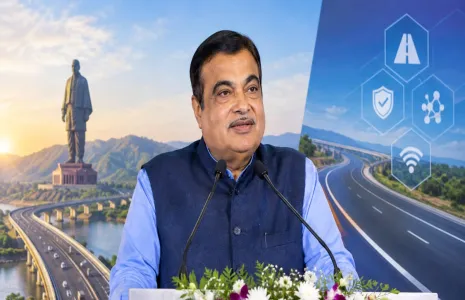
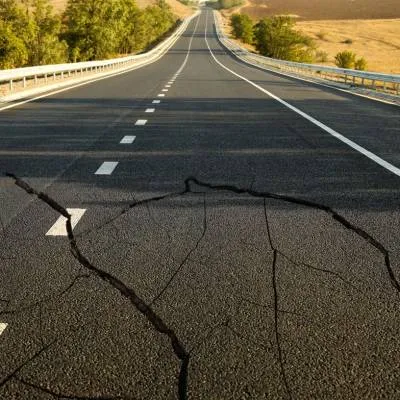
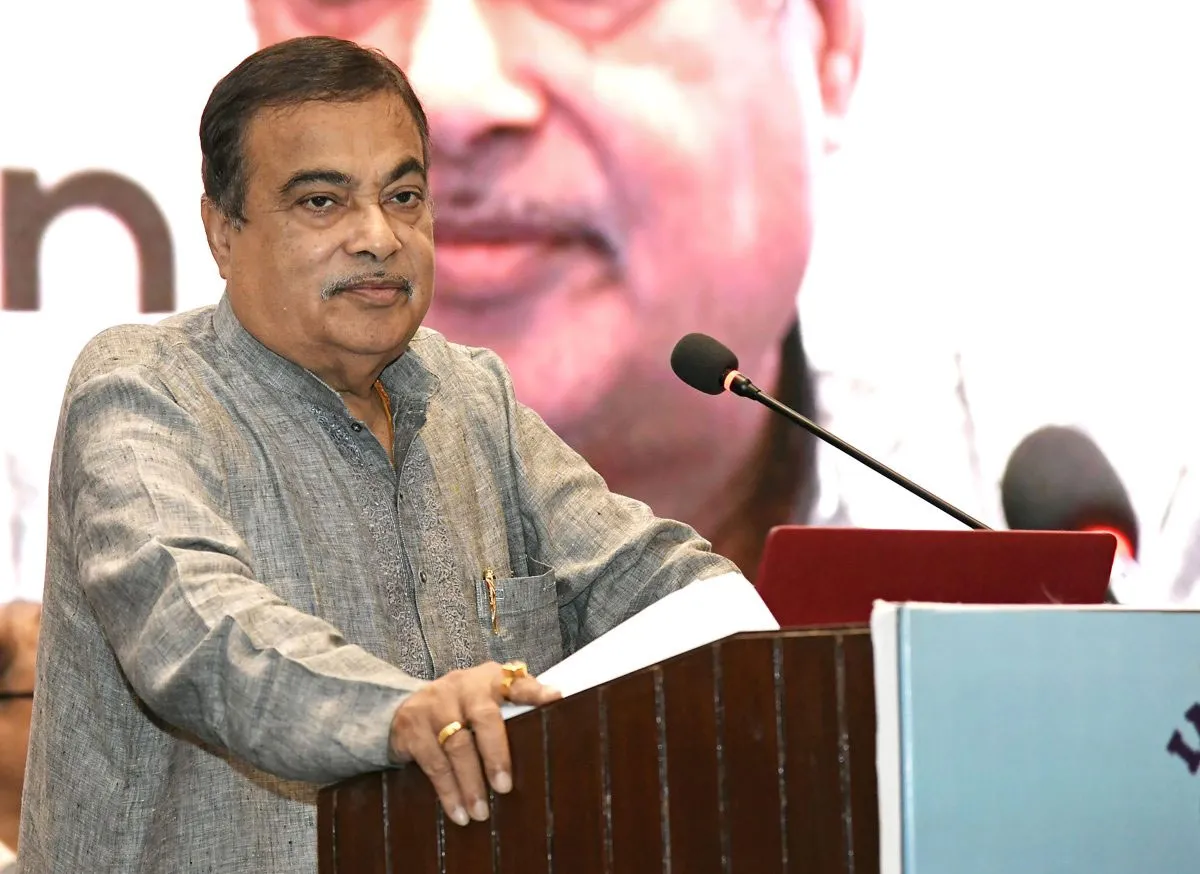
Nitin Gadkari, Union Minister for Road Transport and Highways, has highlighted the potential of agricultural waste to be transformed into a valuable national resource, describing bio-bitumen as a major step towards achieving the vision of Viksit Bharat 2047. He said the innovation would strengthen India’s road infrastructure while promoting sustainable and environmentally responsible growth.

Speaking at the Council of Scientific and Industrial Research’s technology transfer ceremony titled From Farm Residue to Road: Bio-Bitumen via Pyrolysis, Gadkari said the development marked a historic milestone, with India becoming the first country in the world to commercially produce bio-bitumen. He congratulated Council of Scientific and Industrial Research and its scientists for the breakthrough, and acknowledged the support of Union Minister of State for Science and Technology Dr Jitendra Singh in advancing the initiative.

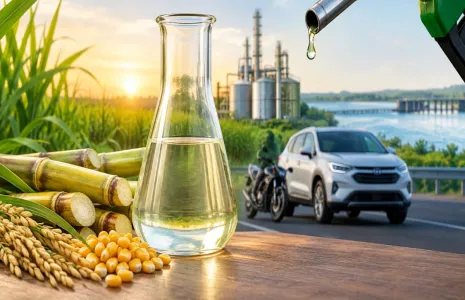
Gadkari noted that the use of agricultural residue for bio-bitumen directly addresses the issue of crop stubble burning, helping to reduce pollution while strengthening the circular economy. He added that blending bio-bitumen at 15 per cent could help India save nearly Rs 45 billion in foreign exchange and significantly reduce dependence on imported crude oil.

Highlighting the broader socio-economic impact, the Union Minister said the technology would empower farmers, generate rural livelihoods and stimulate the rural economy by creating value from agricultural waste that is otherwise burnt or discarded. He said the initiative reflects the government’s commitment to self-reliance and sustainable development.

Describing bio-bitumen as a symbol of innovation aligned with national priorities, Gadkari said indigenous technologies of this nature are essential for building a cleaner, greener and more resilient road network. He reiterated that solutions rooted in local resources will play a key role in developing future-ready highways as India progresses towards the goals of Viksit Bharat 2047.

Nitin Gadkari, Union Minister for Road Transport and Highways, has highlighted the potential of agricultural waste to be transformed into a valuable national resource, describing bio-bitumen as a major step towards achieving the vision of Viksit Bharat 2047. He said the innovation would strengthen India’s road infrastructure while promoting sustainable and environmentally responsible growth. Speaking at the Council of Scientific and Industrial Research’s technology transfer ceremony titled From Farm Residue to Road: Bio-Bitumen via Pyrolysis, Gadkari said the development marked a historic milestone, with India becoming the first country in the world to commercially produce bio-bitumen. He congratulated Council of Scientific and Industrial Research and its scientists for the breakthrough, and acknowledged the support of Union Minister of State for Science and Technology Dr Jitendra Singh in advancing the initiative. Gadkari noted that the use of agricultural residue for bio-bitumen directly addresses the issue of crop stubble burning, helping to reduce pollution while strengthening the circular economy. He added that blending bio-bitumen at 15 per cent could help India save nearly Rs 45 billion in foreign exchange and significantly reduce dependence on imported crude oil. Highlighting the broader socio-economic impact, the Union Minister said the technology would empower farmers, generate rural livelihoods and stimulate the rural economy by creating value from agricultural waste that is otherwise burnt or discarded. He said the initiative reflects the government’s commitment to self-reliance and sustainable development. Describing bio-bitumen as a symbol of innovation aligned with national priorities, Gadkari said indigenous technologies of this nature are essential for building a cleaner, greener and more resilient road network. He reiterated that solutions rooted in local resources will play a key role in developing future-ready highways as India progresses towards the goals of Viksit Bharat 2047.

Next Story
Resources

ULCCS Showcases Cooperative Model at UN Symposium

Uralungal Labour Contract Co-operative Society (ULCCS) showcased its community-led development model at the United Nations Headquarters in New York, where it participated as a panellist at the International Symposium on Cooperative Financial Institutions held on 28–29 May 2026.Jointly organised by the United Nations Department of Economic and Social Affairs (UN DESA), the International Cooperative Banking Association (ICBA), and the International Cooperative Alliance (ICA), the symposium was held under the theme ‘Fuelling Inclusive and Equitable Growth’ and brought together policymakers,..

Next Story
Infrastructure Transport

Delhi Airport to Finalise 20-Year Master Plan

Delhi International Airport Ltd (DIAL) is finalising a 20-year master plan to guide long term infrastructure and operational development at Indira Gandhi International Airport, an official said. The operator expects the plan to reflect changes in the airline industry, shifts in the competitive landscape and evolving infrastructure requirements across terminals, airside and support services. The official said the document is likely to be ready in the next two to two-and-a-half months as the operator moves through planning stages. The plan will be prepared after consultations with airport users ..

Next Story
Real Estate

Aadhar Housing Finance Targets Rs 500 bn AUM By FY29

Aadhar Housing Finance has set a target to raise its asset under management to Rs 500 billion (bn) by the end of FY29, aiming to achieve this over the next three financial years through an 18-20 per cent loan growth trajectory. The firm focuses on the low-income segment with a ticket size of less than Rs 1.5 million (mn) and has relied on that segment to drive expansion. The company closed FY26 with an AUM of Rs 305.71 bn, reflecting the expansion in recent years, and it reported a net profit rise of 22 per cent to Rs 11.08 bn. Management indicated that gross non-performing assets stood at 1.0..

Advertisement

Subscribe to Our Newsletter

Get daily newsletters around different themes from Construction world.

STAY CONNECTED

Advertisement

Advertisement

Advertisement