Gandhinagar Introduces AI Traffic Lights To Cut Congestion
ECONOMY & POLICY

Gandhinagar Introduces AI Traffic Lights To Cut Congestion

The Gandhinagar Municipal Corporation has introduced an Artificial intelligence driven smart signalling system that adjusts traffic lights according to real-time congestion levels across the city. The municipal administration said the system will redistribute green time dynamically to ease queues and manage traffic flows at major intersections. The launch was led by GMC Maharshi Raval as part of the city traffic modernisation programme.

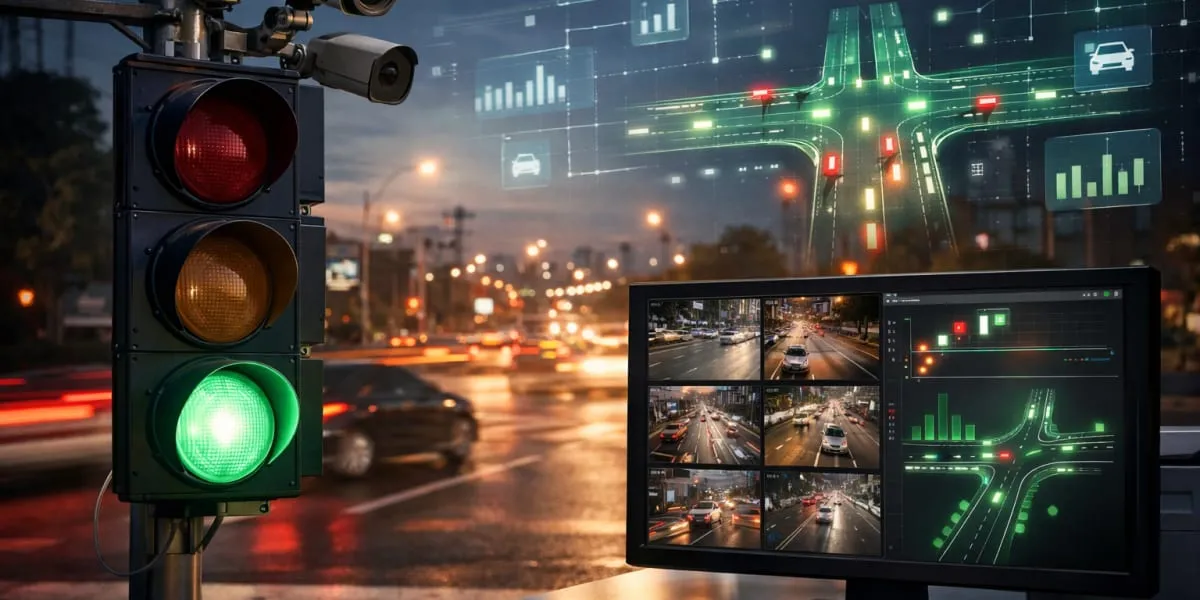
The system integrates roadside cameras, loop detectors and infrared sensors with a central control unit that processes live feeds and adjusts signal timings. AI algorithms analyse vehicle density and queue lengths to optimise phase durations and minimise stoppage. The corporation said the networked approach allows prioritisation for public transport and emergency vehicles and supports data collection for future planning.

Officials reported that an initial pilot at five junctions cut average waiting times by 30 per cent and improved average travel speeds during peak hours. They said emissions from idling vehicles fell as stop–start cycles reduced and that traffic officers saw smoother dispersal when incidents occurred. The municipal team added that analytics dashboards will track performance indicators such as delay, throughput and compliance to refine control strategies.

The rollout is being extended in phases across key corridors and officials said training programmes have been arranged for traffic staff to operate and maintain the new infrastructure. The corporation indicated integration with existing city systems and said vendor support contracts include periodic calibration and software updates. Ongoing monitoring will inform expansion to additional neighbourhoods and enable adjustments to meet changing traffic patterns.

City officials said citizen feedback channels will be used to assess user experience and that data sharing with urban planners will support long term mobility measures. Performance results will be published periodically to inform stakeholders and guide subsequent deployments.

"Join industry leaders at RAHSTA Expo, India's premier platform for roads, highways and traffic infrastructure. Register now to explore innovations, network with experts and shape the future of mobility."

The Gandhinagar Municipal Corporation has introduced an Artificial intelligence driven smart signalling system that adjusts traffic lights according to real-time congestion levels across the city. The municipal administration said the system will redistribute green time dynamically to ease queues and manage traffic flows at major intersections. The launch was led by GMC Maharshi Raval as part of the city traffic modernisation programme. The system integrates roadside cameras, loop detectors and infrared sensors with a central control unit that processes live feeds and adjusts signal timings. AI algorithms analyse vehicle density and queue lengths to optimise phase durations and minimise stoppage. The corporation said the networked approach allows prioritisation for public transport and emergency vehicles and supports data collection for future planning. Officials reported that an initial pilot at five junctions cut average waiting times by 30 per cent and improved average travel speeds during peak hours. They said emissions from idling vehicles fell as stop–start cycles reduced and that traffic officers saw smoother dispersal when incidents occurred. The municipal team added that analytics dashboards will track performance indicators such as delay, throughput and compliance to refine control strategies. The rollout is being extended in phases across key corridors and officials said training programmes have been arranged for traffic staff to operate and maintain the new infrastructure. The corporation indicated integration with existing city systems and said vendor support contracts include periodic calibration and software updates. Ongoing monitoring will inform expansion to additional neighbourhoods and enable adjustments to meet changing traffic patterns. City officials said citizen feedback channels will be used to assess user experience and that data sharing with urban planners will support long term mobility measures. Performance results will be published periodically to inform stakeholders and guide subsequent deployments.

Next Story
Real Estate

Pecan Realty Completes Rs 1.5 Billion Transactions

Pecan Realty has recently completed four institutional transactions worth over Rs 1.5 billion over the past two years, strengthening its position as an execution-led real estate platform. The deals include resolution-led acquisitions, structured finance transactions and capital partnerships across its development portfolio.The transactions covered acquisitions through the National Company Law Tribunal process and helped provide repayment or exits to both private and public sector lenders. The company said the deals demonstrate its ability to resolve complex project situations, work with instit..

Next Story
Real Estate

SNN Estates Expands North Bengaluru Housing Project

SNN Estates has announced an expansion of its SNN Estates Felicity residential project in North Bengaluru following strong buyer demand, with 75 per cent of the first-phase inventory sold within three days of launch.The developer will add 76 apartments in the new phase, taking the project's estimated revenue potential to around Rs 1,000 crore upon completion of Phase 2.Spread across 6.5 acres in Rachenahalli, near Manyata Tech Park, the project comprises 604 apartments in 1.5, 2, 2.5, 3 and 4 BHK configurations. The development includes a 50,000-sq-ft clubhouse with amenities such as sports co..

Next Story
Infrastructure Urban

SCG Drives ASEAN Industrial Transformation Strategy

SCG is strengthening its focus on ASEAN as a key growth region by advancing industrial transformation, enhancing competitiveness and building resilient regional value chains. Thammasak Sethaudom, President and Chief Executive Officer, SCG, highlighted the need for industries to continuously develop capabilities, strengthen resilience and deepen regional cooperation to achieve sustainable long-term growth.SCG views ASEAN as an important growth engine alongside China, supported by favourable demographics, trade connectivity and investment flows. With ASEAN’s GDP projected to grow by around 4.7..

Advertisement

Subscribe to Our Newsletter

Get daily newsletters around different themes from Construction world.

STAY CONNECTED

Advertisement

Advertisement

Advertisement