Fadnavis Inaugurates East-West Link Flyover In Mumbai
ROADS & HIGHWAYS

Fadnavis Inaugurates East-West Link Flyover In Mumbai

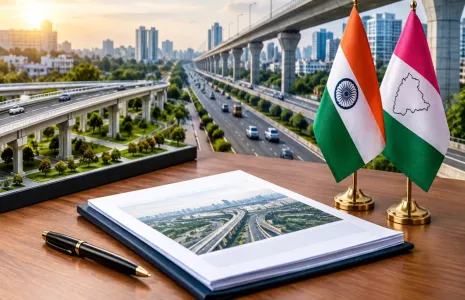
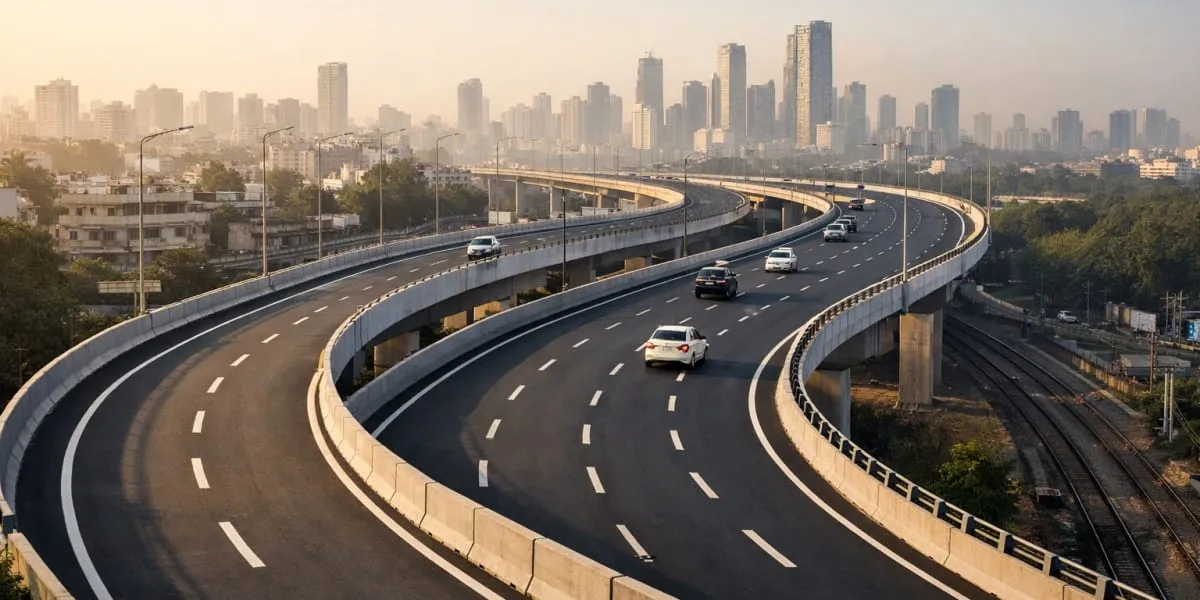
Senior state leader Devendra Fadnavis inaugurated a key east-west link flyover in Mumbai that city authorities said is intended to relieve chronic congestion and strengthen cross-city connectivity. The Brihanmumbai Municipal Corporation (BMC) and the state government described the project as part of a broader urban mobility plan to redistribute traffic flows away from central arteries and shorten journey times for commuters. The structure forms a strategic corridor linking residential suburbs and commercial districts and is expected to integrate with existing road and public transport networks.

The elevated link incorporates multiple ramps and grade separations to allow uninterrupted movement and includes provisions for pedestrians and cyclists while also accommodating emergency vehicle access. Engineers implemented modern structural techniques and materials intended to extend service life and reduce maintenance intervals, officials said. Lighting, drainage and signage have been designed to Indian standards and to improve safety during peak periods and in monsoon conditions.

The project progressed through phased construction to limit disruption and local traffic management measures were employed during key works. Funding was provided through state and municipal allocations and the development formed part of longer term plans to attract investment and support urban renewal in adjoining neighbourhoods. Officials outlined that the flyover will be subject to regular inspection and that complementary measures such as bus priority lanes and improved last mile connections will be pursued.

Planners expect the new connection to ease freight movement across the metropolis and to provide more reliable routes for public transport, thereby contributing to economic activity and daily convenience for residents. Environmental and traffic modelling was used to assess expected impacts and authorities said monitoring will continue to ensure intended benefits are realised. Civic groups welcomed the emphasis on multimodal access and urged continued consultation on maintenance, enforcement and parking management in areas affected by altered traffic patterns.

Senior state leader Devendra Fadnavis inaugurated a key east-west link flyover in Mumbai that city authorities said is intended to relieve chronic congestion and strengthen cross-city connectivity. The Brihanmumbai Municipal Corporation (BMC) and the state government described the project as part of a broader urban mobility plan to redistribute traffic flows away from central arteries and shorten journey times for commuters. The structure forms a strategic corridor linking residential suburbs and commercial districts and is expected to integrate with existing road and public transport networks. The elevated link incorporates multiple ramps and grade separations to allow uninterrupted movement and includes provisions for pedestrians and cyclists while also accommodating emergency vehicle access. Engineers implemented modern structural techniques and materials intended to extend service life and reduce maintenance intervals, officials said. Lighting, drainage and signage have been designed to Indian standards and to improve safety during peak periods and in monsoon conditions. The project progressed through phased construction to limit disruption and local traffic management measures were employed during key works. Funding was provided through state and municipal allocations and the development formed part of longer term plans to attract investment and support urban renewal in adjoining neighbourhoods. Officials outlined that the flyover will be subject to regular inspection and that complementary measures such as bus priority lanes and improved last mile connections will be pursued. Planners expect the new connection to ease freight movement across the metropolis and to provide more reliable routes for public transport, thereby contributing to economic activity and daily convenience for residents. Environmental and traffic modelling was used to assess expected impacts and authorities said monitoring will continue to ensure intended benefits are realised. Civic groups welcomed the emphasis on multimodal access and urged continued consultation on maintenance, enforcement and parking management in areas affected by altered traffic patterns.

Next Story
Equipment

India CE Industry Ends FY26 on a Steady Recovery Path

India’s construction equipment industry closed FY26 on a stable note, reflecting measured resilience and gradually improving momentum. Total sales in Q4 FY26 rose 4 per cent year on year to 42,906 units, extending the recovery seen over the past two years.Domestic demand for the full year remained under pressure, declining 7 per cent, but exports provided strong support. Overall exports grew 31 per cent, while non-OEM exports increased 13 per cent, highlighting sustained demand from overseas markets.March 2026 further underlined the recovery, with sales rising 6 per cent year on year and 13 ..

Next Story
Infrastructure Urban

Leaders Question FIR Against Anil Agarwal

Several industry and public figures have questioned the FIR filed against Anil Agarwal following the boiler accident in Chhattisgarh, while also expressing condolences over the loss of lives and calling for a thorough investigation.Naveen Jindal said the tragedy was deeply painful and stressed that compensation, livelihood support for affected families and a fair probe were essential. He also questioned naming Agarwal in the FIR before completion of the investigation.Kiran Bedi urged restraint, saying investigations should focus on learning lessons and strengthening systems rather than prematu..

Next Story
Infrastructure Urban

Tier 2, 3 Cities Drive 66% of New D2C Orders

Tier 2 and Tier 3 cities accounted for 66 per cent of new direct-to-consumer (D2C) orders in FY 2026, according to a new analysis by Unicommerce.The report said buyers from smaller cities also contributed 60 per cent of incremental gross merchandise value (GMV) in FY 2026 compared with FY 2025, highlighting rising demand beyond metro markets.Overall, India’s D2C segment recorded strong growth, with order volumes rising 33 per cent and GMV increasing 32 per cent year-on-year. The findings are based on more than 400 million order items processed through brand websites on Unicommerce’s Uniwar..

Advertisement

Subscribe to Our Newsletter

Get daily newsletters around different themes from Construction world.

STAY CONNECTED

Advertisement

Advertisement

Advertisement