+
Fadnavis Inaugurates East?West Link Flyover In Mumbai
ROADS & HIGHWAYS

Fadnavis Inaugurates East?West Link Flyover In Mumbai

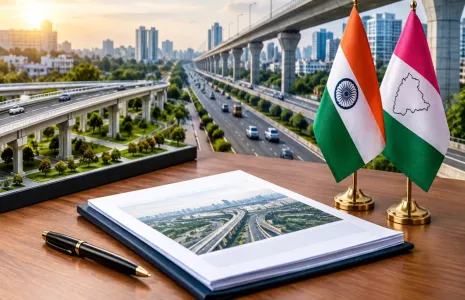
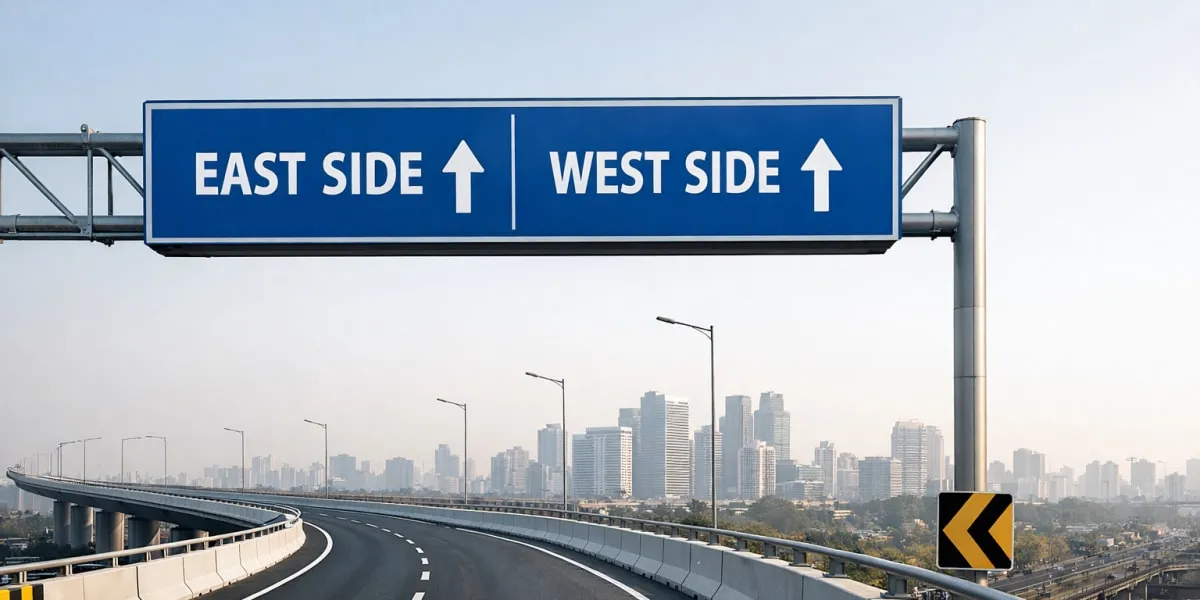
Devendra Fadnavis inaugurated a key east?west link flyover in Mumbai, marking a notable development in the city's transport infrastructure. The flyover is intended to improve connectivity between the eastern and western suburbs and to reduce congestion on existing arterial roads. Municipal authorities described the opening as a milestone in a broader effort to modernise urban mobility across the metropolis.

The structure provides a dedicated corridor for vehicular movement that bypasses several congested junctions and incorporates ramps for smoother merging. Planners emphasised that the link is expected to shorten commuter journeys and integrate with existing public transport corridors. Traffic management teams will oversee the initial phase of operation to ensure safety and optimise signal timings.

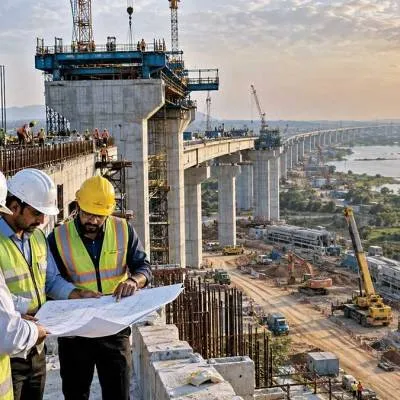
Construction of the flyover involved multidisciplinary work, including civil engineering, utility relocation and pavement surfacing, carried out under municipal supervision. The project proceeded through stages of planning, land acquisition and staged execution to minimise disruption to residents and businesses. Local contractors and city engineers coordinated work schedules with traffic diversions to maintain access for emergency services and public transport.

Civic officials stated that the new corridor would support economic activity in surrounding neighbourhoods by improving access for commerce and services, and commuters expressed relief at improved flow during peak periods. Authorities indicated that monitoring and maintenance programmes will continue to assess performance and address any emerging issues. The opening of the flyover is one element of an ongoing urban transport programme aimed at delivering safer, more efficient movement across the city.

Officials noted that the flyover forms part of a longer term vision for a multimodal urban network that will include upgrades to bus services and non?motorised transport links. Continued investment in infrastructure and routine maintenance is expected to preserve operational standards and extend asset life. Residents will be kept informed of further works and traffic plans as the city advances its transport agenda.

Devendra Fadnavis inaugurated a key east?west link flyover in Mumbai, marking a notable development in the city's transport infrastructure. The flyover is intended to improve connectivity between the eastern and western suburbs and to reduce congestion on existing arterial roads. Municipal authorities described the opening as a milestone in a broader effort to modernise urban mobility across the metropolis. The structure provides a dedicated corridor for vehicular movement that bypasses several congested junctions and incorporates ramps for smoother merging. Planners emphasised that the link is expected to shorten commuter journeys and integrate with existing public transport corridors. Traffic management teams will oversee the initial phase of operation to ensure safety and optimise signal timings. Construction of the flyover involved multidisciplinary work, including civil engineering, utility relocation and pavement surfacing, carried out under municipal supervision. The project proceeded through stages of planning, land acquisition and staged execution to minimise disruption to residents and businesses. Local contractors and city engineers coordinated work schedules with traffic diversions to maintain access for emergency services and public transport. Civic officials stated that the new corridor would support economic activity in surrounding neighbourhoods by improving access for commerce and services, and commuters expressed relief at improved flow during peak periods. Authorities indicated that monitoring and maintenance programmes will continue to assess performance and address any emerging issues. The opening of the flyover is one element of an ongoing urban transport programme aimed at delivering safer, more efficient movement across the city. Officials noted that the flyover forms part of a longer term vision for a multimodal urban network that will include upgrades to bus services and non?motorised transport links. Continued investment in infrastructure and routine maintenance is expected to preserve operational standards and extend asset life. Residents will be kept informed of further works and traffic plans as the city advances its transport agenda.

Next Story
Infrastructure Urban

India Expands Semiconductor Training To 500 Institutions

Under the Chips to Startups programme of the India Semiconductor Mission, the Union minister responsible for Railways, Information and Broadcasting, and Electronics and IT reported notable progress in talent development. He indicated that over the past four years substantial steps have been taken towards a 10-year target of training 85,000 engineers in semiconductor design. World-class EDA tools have been deployed in 315 academic institutions across the country to provide students with practical exposure to chip design. These EDA tools are supported by leading global firms and are accessible t..

Next Story
Infrastructure Urban

Delhi Institutions Support India Semiconductor Mission

The Government of India has prioritised talent development through training, upskilling and workforce development under the Chips to Startups initiative of the India Semiconductor Mission, with officials noting progress in four years towards a 10-year target of training 85,000 engineers in semiconductor design. Electronic design automation tools provided by Synopsys, Cadence, Siemens, Renesas, Ansys and AMD have been deployed in 315 academic institutions, enabling students to gain practical chip design experience. Chips have been fabricated and tested at the Semiconductor Laboratory, Mohali, a..

Next Story
Infrastructure Urban

NHA Announces Winners Of NHCX Hackathon At IIT Hyderabad

The National Health Authority (NHA) has concluded the NHCX Hackathon under the Ayushman Bharat Digital Mission (ABDM) to stimulate innovation around the National Health Claims Exchange (NHCX). The winning teams presented their solutions at the NHCX Innovation Meet held at IIT Hyderabad during a two-day event in March 2026 that also served as the hackathon grand finale. The hackathon itself ran from 22 to 28 February 2026 and aimed to accelerate paperless, transparent claims processing across India. The event was organised with a range of ecosystem partners, including the Insurance Regulatory a..

Advertisement

Subscribe to Our Newsletter

Get daily newsletters around different themes from Construction world.

STAY CONNECTED

Advertisement

Advertisement

Advertisement