101 Amrit Bharat Stations To Transform Bengal, Assam
RAILWAYS & METRO RAIL

101 Amrit Bharat Stations To Transform Bengal, Assam

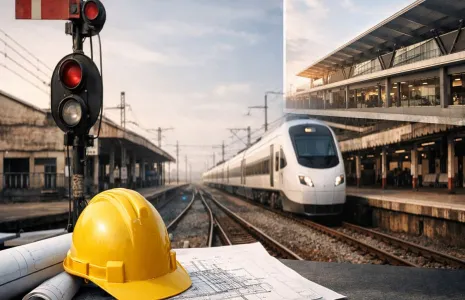
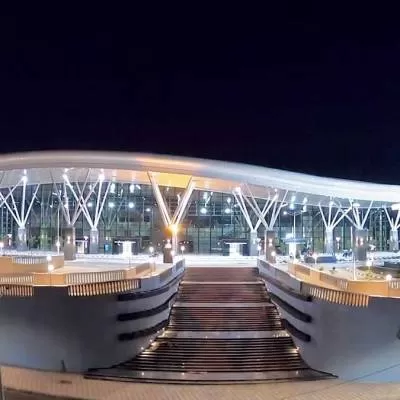
West Bengal and Assam are set to see one of the largest railway infrastructure upgrades in eastern and north-eastern India, with 101 stations slated for redevelopment by 2026 under the Amrit Bharat Station Scheme.

Railway officials said the initiative marks a shift from piecemeal upgrades to integrated, future-ready station infrastructure. The scheme, the largest railway station redevelopment programme globally, aims to transform stations into modern, accessible and regionally rooted transport hubs that enhance passenger experience and support economic growth.

West Bengal will account for a significant share of the programme, with 101 stations identified across the state, covering metropolitan centres, industrial towns, border areas and pilgrimage hubs. An investment of around Rs 36 billion has been earmarked to ensure uniform modernisation across districts rather than selective urban upgrades.

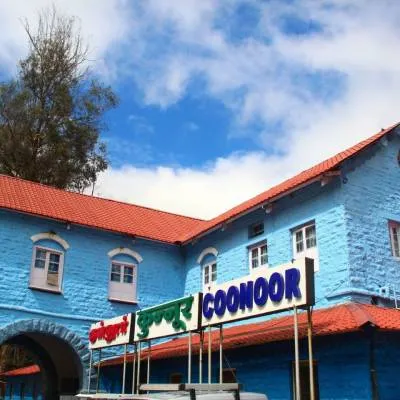
Key stations such as Howrah, Sealdah, New Jalpaiguri, Kharagpur, Asansol, Bandel, Malda Town, Siliguri, Alipurduar, Shalimar and Santragachi are being redeveloped under a unified design and infrastructure vision. Flagship projects including New Jalpaiguri and Santragachi are being developed as major gateways to the North-East, with a focus on multi-modal integration to ease pressure on Kolkata’s existing rail corridors.

Assam, the gateway to the North-East, is emerging as another major focus area. Several Amrit Bharat stations are planned across the state, including Guwahati, Dibrugarh, Silchar, Tinsukia, Lumding and Jorhat Town. These stations are expected to play a critical role in improving connectivity to remote and border regions.

Beyond cosmetic upgrades

Railway officials stressed that the scheme extends well beyond aesthetic improvements. Redeveloped stations will feature modern waiting areas, improved passenger circulation, Divyangjan-friendly facilities, digital information systems, enhanced safety infrastructure and architectural elements reflecting local heritage.

Passenger amenities have already expanded significantly. Across West Bengal and Assam, hundreds of lifts and escalators are being installed, while Wi-Fi connectivity is being extended to numerous stations. Safety upgrades, including AI-enabled CCTV surveillance and intrusion detection systems, are also being rolled out along sensitive corridors.

Station redevelopment is being complemented by wider network expansion and service upgrades. In West Bengal alone, railway projects worth over Rs 870 billion are currently under way, including new lines, multi-tracking of congested routes and the rollout of advanced safety systems such as Kavach.

Technology, safety and access drive upgrades

High-speed and semi-high-speed rail services are also gaining traction. Several Vande Bharat Express services are already operating across both states, cutting travel times and improving comfort. The introduction of Amrit Bharat Express services is further strengthening affordable long-distance connectivity.

Officials said the redevelopment of 101 Amrit Bharat stations by 2026 represents a structural shift in how railway infrastructure supports regional development. Stations are being reimagined as centres of mobility, commerce and public life rather than mere transit points, reinforcing the Railways’ role as a key driver of economic integration and growth in eastern and north-eastern India.

West Bengal and Assam are set to see one of the largest railway infrastructure upgrades in eastern and north-eastern India, with 101 stations slated for redevelopment by 2026 under the Amrit Bharat Station Scheme. Railway officials said the initiative marks a shift from piecemeal upgrades to integrated, future-ready station infrastructure. The scheme, the largest railway station redevelopment programme globally, aims to transform stations into modern, accessible and regionally rooted transport hubs that enhance passenger experience and support economic growth. West Bengal will account for a significant share of the programme, with 101 stations identified across the state, covering metropolitan centres, industrial towns, border areas and pilgrimage hubs. An investment of around Rs 36 billion has been earmarked to ensure uniform modernisation across districts rather than selective urban upgrades. Key stations such as Howrah, Sealdah, New Jalpaiguri, Kharagpur, Asansol, Bandel, Malda Town, Siliguri, Alipurduar, Shalimar and Santragachi are being redeveloped under a unified design and infrastructure vision. Flagship projects including New Jalpaiguri and Santragachi are being developed as major gateways to the North-East, with a focus on multi-modal integration to ease pressure on Kolkata’s existing rail corridors. Assam, the gateway to the North-East, is emerging as another major focus area. Several Amrit Bharat stations are planned across the state, including Guwahati, Dibrugarh, Silchar, Tinsukia, Lumding and Jorhat Town. These stations are expected to play a critical role in improving connectivity to remote and border regions. Beyond cosmetic upgrades Railway officials stressed that the scheme extends well beyond aesthetic improvements. Redeveloped stations will feature modern waiting areas, improved passenger circulation, Divyangjan-friendly facilities, digital information systems, enhanced safety infrastructure and architectural elements reflecting local heritage. Passenger amenities have already expanded significantly. Across West Bengal and Assam, hundreds of lifts and escalators are being installed, while Wi-Fi connectivity is being extended to numerous stations. Safety upgrades, including AI-enabled CCTV surveillance and intrusion detection systems, are also being rolled out along sensitive corridors. Station redevelopment is being complemented by wider network expansion and service upgrades. In West Bengal alone, railway projects worth over Rs 870 billion are currently under way, including new lines, multi-tracking of congested routes and the rollout of advanced safety systems such as Kavach. Technology, safety and access drive upgrades High-speed and semi-high-speed rail services are also gaining traction. Several Vande Bharat Express services are already operating across both states, cutting travel times and improving comfort. The introduction of Amrit Bharat Express services is further strengthening affordable long-distance connectivity. Officials said the redevelopment of 101 Amrit Bharat stations by 2026 represents a structural shift in how railway infrastructure supports regional development. Stations are being reimagined as centres of mobility, commerce and public life rather than mere transit points, reinforcing the Railways’ role as a key driver of economic integration and growth in eastern and north-eastern India.

Next Story
Real Estate

TOTO Crosses 70 Million WASHLET Units Globally

Japanese bathroom solutions major TOTO has announced that global shipments of its WASHLET range have crossed 70 million units, marking a significant milestone in over four decades of innovation across residential and public restroom applications. Now available in more than 100 countries, WASHLET adoption has accelerated across the Americas, Europe and Asia, reflecting a growing global emphasis on hygiene, comfort and wellness.India has emerged as one of TOTO’s fastest-growing markets. Over the past three years, WASHLET sales in India have doubled, driven by a post-pandemic shift towards clea..

Next Story
Resources

YTL Cement’s CDL Academy, UTM Sign MoU on Talent and Research

CDL Academy, the learning and development arm of YTL Cement Group, has signed a Memorandum of Understanding with Universiti Teknologi Malaysia (UTM) to strengthen collaboration in talent development, applied learning and research innovation for Malaysia’s construction and engineering sector.The MoU, signed on January 9, 2026, formalises an ongoing partnership focused on equipping students with industry exposure and practical experience aligned with emerging requirements in sustainable construction. Under the agreement, the two institutions will jointly undertake professional training program..

Next Story
Technology

Truva Raises Rs 78 Crore to Scale Resale Homes Platform

Truva, a full-stack resale homes platform, has raised Rs 780 million in fresh capital to accelerate expansion and deepen its technology-led operating model. The funding comprises Rs 610 million in equity led by Stellaris Venture Partners and Orios Venture Partners, along with Rs 170 million in venture debt from Stride Ventures. The round also saw participation from angel investors including Mukesh Bansal, Ramakant Sharma, Natasha Malpani Oswal and Ram Raheja.The capital will be used to expand Truva’s presence across Mumbai and enter new metros such as Delhi NCR and Bengaluru, strengthen TruI..

Advertisement

Subscribe to Our Newsletter

Get daily newsletters around different themes from Construction world.

STAY CONNECTED

Advertisement

Advertisement

Advertisement

Advertisement

Open In App