Cabinet Approves Ahmedabad Dholera Semi High Speed Rail Project
RAILWAYS & METRO RAIL

Cabinet Approves Ahmedabad Dholera Semi High Speed Rail Project

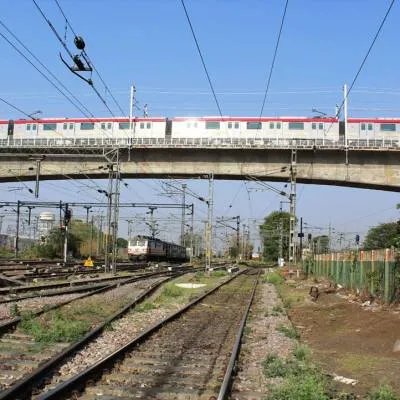
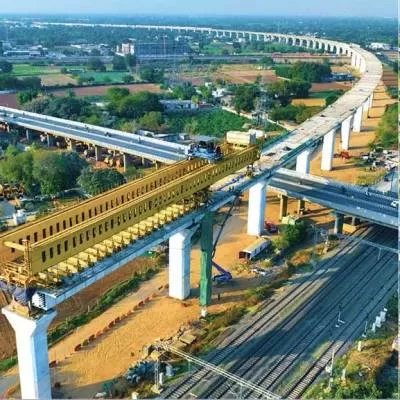
The Cabinet Committee on Economic Affairs, chaired by the Prime Minister Narendra Modi, approved the Ahmedabad (Sarkhej) – Dholera semi high-speed double line project by the Ministry of Railways, with a total estimated cost of Rs 206.67 billion (Rs 206.67 bn). The project will be Indian Railways first semi high-speed scheme planned with indigenously developed technology. The line is expected to be completed by 2030-31 and is designed to provide faster connectivity between Ahmedabad, Dholera SIR, the upcoming Dholera Airport and the Lothal National Maritime Heritage Complex.

Connecting Ahmedabad with Dholera will reduce passenger travel time, enabling comfortable daily commuting and same-day return trips, and is intended to improve mobility and service reliability for Indian Railways. As the country first semi high-speed rail project, it will act as a reference model for phased expansion of similar services across India. The project has been planned under the PM-Gati Shakti National Master Plan with an emphasis on multi-modal connectivity and integrated planning with stakeholders.

The section covering Ahmedabad district in Gujarat will increase the existing network of Indian Railways by about 134 kilometres (km) and will enhance connectivity to approximately 284 villages. Those villages have a combined population of about 0.5 million (0.5 mn), and the project is expected to support regional development and expand employment and self-employment opportunities. Planners have highlighted the prospect of better logistics efficiency for movement of people, goods and services.

Rail transport being environment friendly and energy efficient is projected to contribute to national climate goals while lowering logistics costs. The scheme is estimated to reduce oil imports by 4.8 million litres and to lower carbon dioxide emissions by 20 million kg (20,000 t), benefits that have been equated with planting one million trees (1 mn trees). The authorities have stated the project will be completed by 2030-31 and will serve as a catalyst for comprehensive development in the region.

The Cabinet Committee on Economic Affairs, chaired by the Prime Minister Narendra Modi, approved the Ahmedabad (Sarkhej) – Dholera semi high-speed double line project by the Ministry of Railways, with a total estimated cost of Rs 206.67 billion (Rs 206.67 bn). The project will be Indian Railways first semi high-speed scheme planned with indigenously developed technology. The line is expected to be completed by 2030-31 and is designed to provide faster connectivity between Ahmedabad, Dholera SIR, the upcoming Dholera Airport and the Lothal National Maritime Heritage Complex. Connecting Ahmedabad with Dholera will reduce passenger travel time, enabling comfortable daily commuting and same-day return trips, and is intended to improve mobility and service reliability for Indian Railways. As the country first semi high-speed rail project, it will act as a reference model for phased expansion of similar services across India. The project has been planned under the PM-Gati Shakti National Master Plan with an emphasis on multi-modal connectivity and integrated planning with stakeholders. The section covering Ahmedabad district in Gujarat will increase the existing network of Indian Railways by about 134 kilometres (km) and will enhance connectivity to approximately 284 villages. Those villages have a combined population of about 0.5 million (0.5 mn), and the project is expected to support regional development and expand employment and self-employment opportunities. Planners have highlighted the prospect of better logistics efficiency for movement of people, goods and services. Rail transport being environment friendly and energy efficient is projected to contribute to national climate goals while lowering logistics costs. The scheme is estimated to reduce oil imports by 4.8 million litres and to lower carbon dioxide emissions by 20 million kg (20,000 t), benefits that have been equated with planting one million trees (1 mn trees). The authorities have stated the project will be completed by 2030-31 and will serve as a catalyst for comprehensive development in the region.

Next Story
Infrastructure Transport

MMRDA Removes 1.14 lakh m of Metro Barricades

In a bid to ease congestion and improve urban mobility during monsoon, MMRDA has undertaken one of the largest coordinated barricade removal and monsoon preparedness drives across its ongoing metro and infrastructure projects.With substantial progress achieved in viaduct and structural works across multiple metro corridors, barricades from completed stretches beneath metro viaducts are being systematically removed, restoring maximum possible road space before the monsoon. Wider carriageways across key arterial roads are expected to improve traffic flow, reduce congestion, support better rainwa..

Next Story
Infrastructure Transport

Pune Division to Remove All Diamond Crossings by Year-End

The Pune railway division has announced plans to remove all 16 diamond crossings by the end of 2026 as part of a major yard remodelling project following the derailment of a Vande Bharat Express at Pune Junction on April 27. Railway authorities said the replacements aim to improve safety and streamline train operations across the busy station. The decision followed a Central Railway finding that the accident involved a non-standard diamond crossing and highlighted the need for replacement. Regular maintenance of existing crossings will continue until the replacement work is completed. Official..

Next Story
Infrastructure Urban

Goa Declares 80 Million Square Metres No Development Zone

The Goa state government has declared 80 million square metres (mn) of land a no development zone, designating the area as protected from new construction. The notification reclassifies tracts across the state under a no development category for planning and regulatory purposes. The declaration signals a formal halt to new building permits within the defined zone. Authorities indicated that maps will be issued to show broad boundaries while detailed surveys will refine precise limits. The move transfers responsibility for enforcement to local planning authorities and relevant departments, whic..

Advertisement

Subscribe to Our Newsletter

Get daily newsletters around different themes from Construction world.

STAY CONNECTED

Advertisement

Advertisement

Advertisement