Cabinet Clears Rs 12,015 Cr Delhi Metro Phase V(A) Expansion
RAILWAYS & METRO RAIL

Cabinet Clears Rs 12,015 Cr Delhi Metro Phase V(A) Expansion

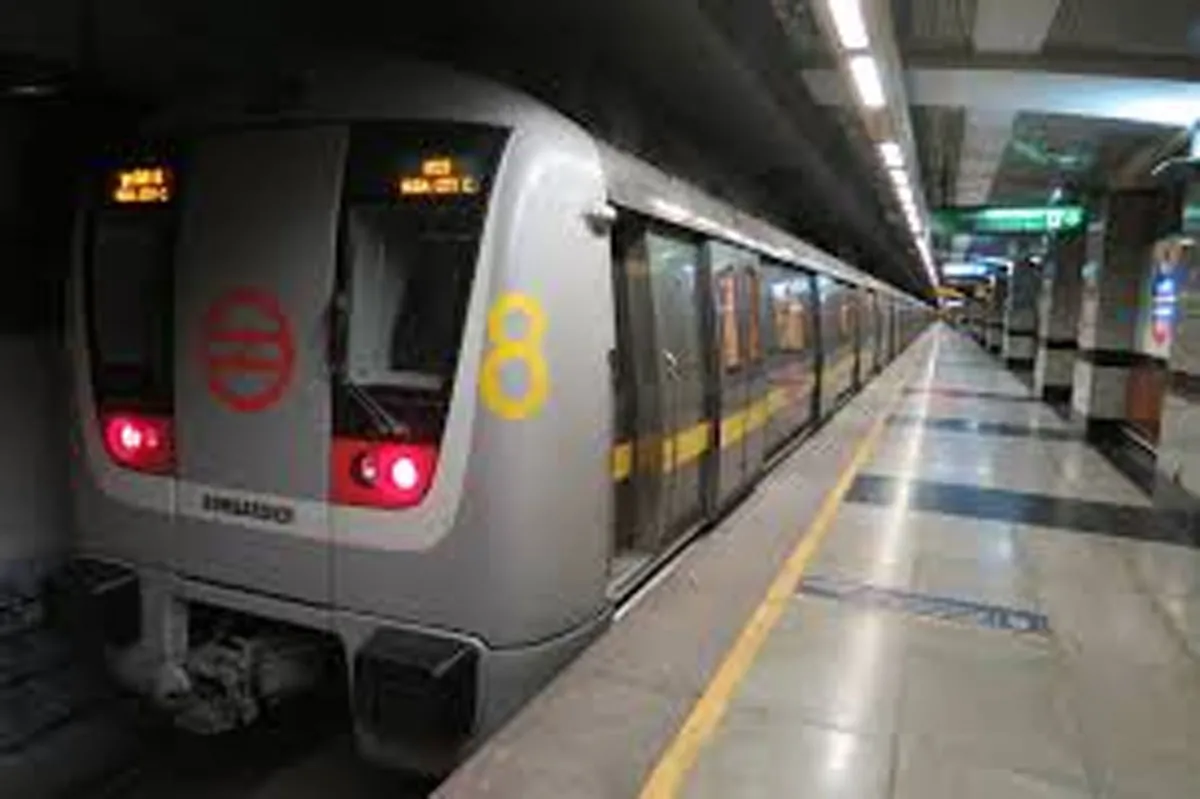
The Union Cabinet has approved three new corridors under Delhi Metro’s Phase V(A) project at an estimated cost of Rs 120.15 billion, expanding the network’s reach in Central and South Delhi. With this approval, the total length of the Delhi Metro network is set to cross 400 km.

Briefing the media, Information and Broadcasting Minister Ashwini Vaishnaw said the new corridors include R.K. Ashram Marg–Indraprastha, Aerocity–Airport Terminal 1, and Tughlakabad–Kalindi Kunj, along with 13 new metro stations. The R.K. Ashram Marg–Indraprastha stretch will improve connectivity to the redeveloping Central Vista area, benefiting around 60,000 office-goers and nearly two lakh visitors daily.

The Aerocity–Airport Terminal 1 and Tughlakabad–Kalindi Kunj extensions will strengthen airport connectivity with southern parts of the national capital, including Saket and Kalindi Kunj.

Prime Minister Narendra Modi said the metro expansion will enhance ‘Ease of Living’, reduce congestion and support economic activity. Operated by Delhi Metro Rail Corporation, the Delhi Metro currently runs about 395 km across 12 lines with 289 stations, serving an average of 6.5 million passenger journeys per day.

The Union Cabinet has approved three new corridors under Delhi Metro’s Phase V(A) project at an estimated cost of Rs 120.15 billion, expanding the network’s reach in Central and South Delhi. With this approval, the total length of the Delhi Metro network is set to cross 400 km. Briefing the media, Information and Broadcasting Minister Ashwini Vaishnaw said the new corridors include R.K. Ashram Marg–Indraprastha, Aerocity–Airport Terminal 1, and Tughlakabad–Kalindi Kunj, along with 13 new metro stations. The R.K. Ashram Marg–Indraprastha stretch will improve connectivity to the redeveloping Central Vista area, benefiting around 60,000 office-goers and nearly two lakh visitors daily. The Aerocity–Airport Terminal 1 and Tughlakabad–Kalindi Kunj extensions will strengthen airport connectivity with southern parts of the national capital, including Saket and Kalindi Kunj. Prime Minister Narendra Modi said the metro expansion will enhance ‘Ease of Living’, reduce congestion and support economic activity. Operated by Delhi Metro Rail Corporation, the Delhi Metro currently runs about 395 km across 12 lines with 289 stations, serving an average of 6.5 million passenger journeys per day.

Next Story
Infrastructure Transport

RRTS emerges as key growth driver for real estate and mobility: Knight Frank

India’s Regional Rapid Transit System (RRTS) is emerging as a major catalyst for urban growth and investment, with strong demand from commuters and rising interest from real estate investors, according to a new report by Knight Frank India.Titled “Regional Rapid Transit System: Testing the Commuters’ Pulse”, the study highlights that nearly 66 per cent of surveyed respondents are willing to purchase property along RRTS corridors, while 80 per cent associate improved connectivity with enhanced economic opportunities. The findings underline the growing role of high-speed regional transit..

Next Story
Infrastructure Transport

Centre To Set Up Bureau Of Port Security

The government will constitute a dedicated Bureau of Port Security (BoPS) to oversee the security of vessels and port facilities across India, official sources said on Friday. The move is aimed at strengthening maritime security through a centralised and specialised institutional framework. Union Home Minister Amit Shah chaired a meeting on the constitution of BoPS, which was attended by Sarbananda Sonowal, Union Minister for Ports, Shipping and Waterways, and Ram Mohan Naidu, Minister of Civil Aviation. During the discussions, Mr Shah underlined the need for a robust and future-ready port se..

Next Story
Infrastructure Energy

Adani Eyes AI Data Centres And Nuclear Power

The Adani Group is planning an aggressive expansion of artificial intelligence data centres and the energy infrastructure required to support them, including the possible development of nuclear power plants, according to comments by Jeet Adani to Nikkei Asia. Jeet Adani, the youngest son of billionaire Gautam Adani, said data centres have emerged as a major growth engine for the group, with current expansion already exceeding targets earlier set for 2030. Demand for AI-led infrastructure continues to rise rapidly, he noted, adding that India is well positioned to host global AI data centres d..

Advertisement

Subscribe to Our Newsletter

Get daily newsletters around different themes from Construction world.

STAY CONNECTED

Advertisement

Advertisement

Advertisement

Advertisement

Open In App