Delhi Metro's Unlimited Ride Scheme Boosts Tourism
RAILWAYS & METRO RAIL

Delhi Metro's Unlimited Ride Scheme Boosts Tourism

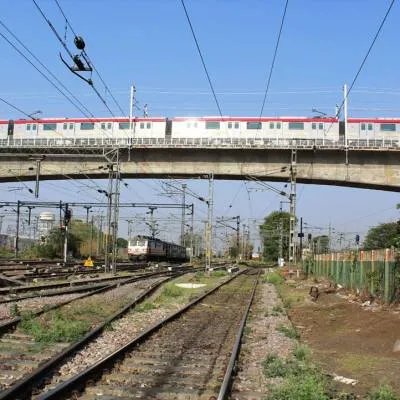
Delhi Metro has rolled out an exciting initiative aimed at promoting tourism in the Indian capital. The new scheme, which offers unlimited rides to tourists, is set to transform the way visitors explore the city. With the introduction of tourist smart cards, travellers can now enjoy the convenience and cost-effectiveness of unlimited access to Delhi's extensive metro network.

The scheme comes as a boon to both domestic and international tourists, offering hassle-free travel and significant savings. Visitors can explore iconic landmarks like the Red Fort, India Gate, and Qutub Minar with ease, thanks to Delhi Metro's extensive connectivity.

This initiative aligns with Delhi Metro's commitment to sustainable urban transportation and reducing congestion on the city's roads. It encourages tourists to opt for eco-friendly commuting options while also making their journeys more enjoyable.

By enhancing accessibility and affordability, the Delhi Metro's unlimited ride scheme is expected to drive an increase in tourism, contributing to the city's economy. It is a step towards making Delhi an even more welcoming and tourist-friendly destination, attracting millions of visitors from around the world.

Delhi Metro has rolled out an exciting initiative aimed at promoting tourism in the Indian capital. The new scheme, which offers unlimited rides to tourists, is set to transform the way visitors explore the city. With the introduction of tourist smart cards, travellers can now enjoy the convenience and cost-effectiveness of unlimited access to Delhi's extensive metro network. The scheme comes as a boon to both domestic and international tourists, offering hassle-free travel and significant savings. Visitors can explore iconic landmarks like the Red Fort, India Gate, and Qutub Minar with ease, thanks to Delhi Metro's extensive connectivity. This initiative aligns with Delhi Metro's commitment to sustainable urban transportation and reducing congestion on the city's roads. It encourages tourists to opt for eco-friendly commuting options while also making their journeys more enjoyable. By enhancing accessibility and affordability, the Delhi Metro's unlimited ride scheme is expected to drive an increase in tourism, contributing to the city's economy. It is a step towards making Delhi an even more welcoming and tourist-friendly destination, attracting millions of visitors from around the world.

Next Story
Infrastructure Urban

Implementation Status of Jal Jeevan Mission

Since August 2019 the Government has implemented Jal Jeevan Mission to provide assured potable water through household tap connections in rural India. At the start of the mission only 32.3 million (mn) rural households, representing 16.7 per cent, were reported to have tap water connections. States and union territories have reported that 125.8 mn additional rural households have since been provided with tap connections. As a result, of about 193.6 mn rural households roughly 158.2 mn, or 81.71 per cent, are reported to have tap water supply at home.\n\nThe State, district and village level st..

Next Story
Infrastructure Urban

Jal Jeevan Mission Reaches Eighty One Per Cent Rural Coverage

The Government reported substantial progress under the Jal Jeevan Mission, launched in August 2019 to provide tap water to every rural household. At launch only 32.3 million (mn) rural households had tap connections and states and Union territories reported provision of 125.8 mn additional households by March 2026. Consequently, out of about 193.6 mn rural households around 158.2 mn, or 81.71 per cent, are reported to have tap water at home. The Finance Minister announced extension of the mission until 2028 in the 2025-26 budget speech. The Swachh Bharat Mission Grameen, launched in October 20..

Next Story
Infrastructure Urban

Empowering Local Governance for Sustainable Rural Water Supply

The Ministry of Jal Shakti has aligned the Jal Jeevan Mission (JJM) with the 73rd Amendment to strengthen village level planning and community ownership of water supply. Gram Panchayats, village water and sanitation committees and Pani Samitis are to plan, implement, manage and maintain piped water systems, with gram sabha processes formalising handover and oversight. Implementation support agencies including non government organisations, community based organisations and self help groups have been empanelled to train local committees and promote women participation. Under JJM, the department ..

Advertisement

Subscribe to Our Newsletter

Get daily newsletters around different themes from Construction world.

STAY CONNECTED

Advertisement

Advertisement

Advertisement