Hyderabad Plans Pod Transit To Link Metro Stations To Local Areas
RAILWAYS & METRO RAIL

Hyderabad Plans Pod Transit To Link Metro Stations To Local Areas

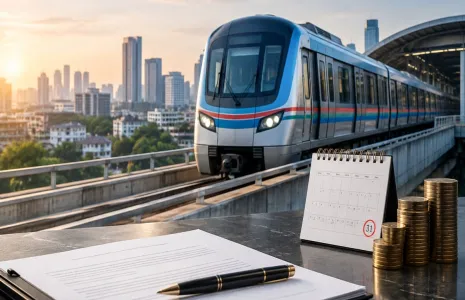
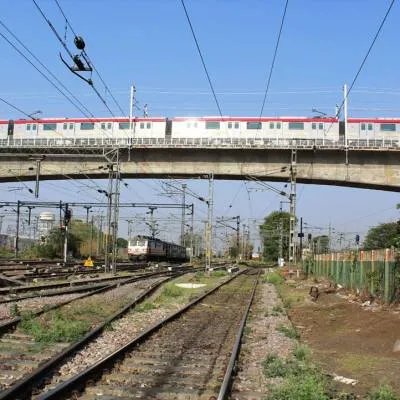
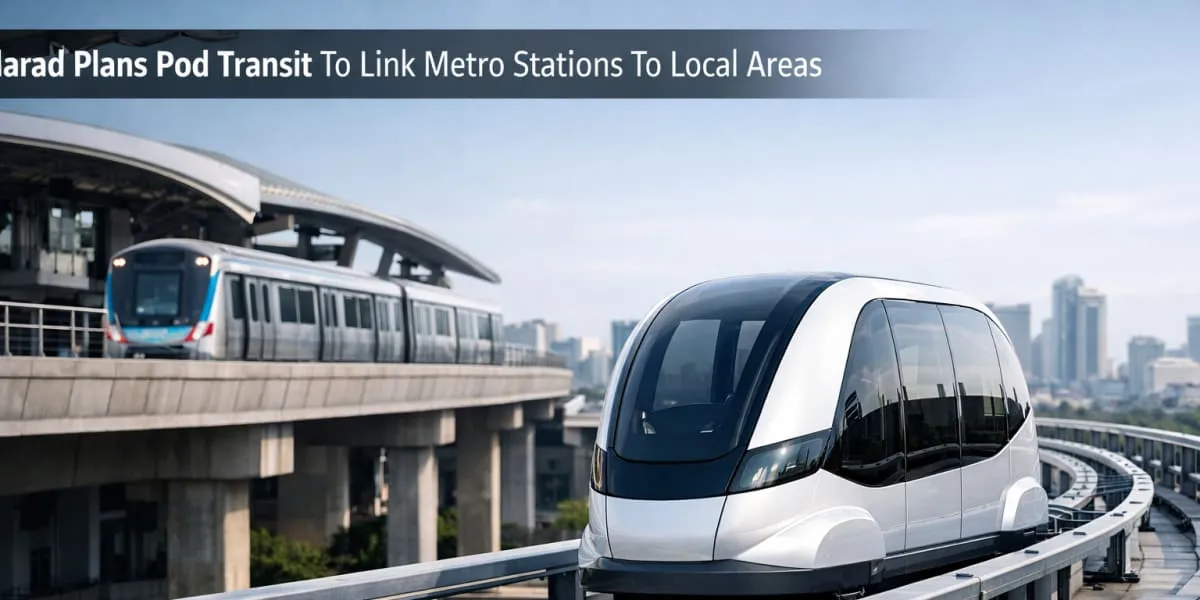
The Telangana government is exploring a pod based transport system to improve last mile connectivity for commuters using the Hyderabad Metro Rail. Hyderabad Metro Rail Limited (HMRL) has initiated steps to assess the feasibility of an automated personal rapid transit network, according to a report in The Hindu. The move is being framed as an effort to provide seamless links between metro stations and the areas where commuters live and work.

The proposed system would use small battery operated pods designed to carry four to six passengers and to operate without onboard drivers. The pods are intended to run as part of an automated network capable of handling up to 10,000 passengers per hour in aggregate. The design aims to connect metro stations to nearby residential neighbourhoods and commercial areas and to bridge the gap between stations and commuters' final destinations.

To advance the plan, HMRL floated a tender last month to appoint a consultant for a techno economic feasibility study and related design work. The selected agency will also be tasked with preparing the system design and overseeing the bidding process for project implementation. The pilot corridor is proposed along the Raidurg–Kukatpally stretch and would link busy locations including Raidurg, Hi-Tec City, the Financial District and Secretariat.

Officials expect the pilot to demonstrate whether personal rapid transit can offer a reliable, low emission feeder option and reduce road congestion without imposing major infrastructure footprints. Final decisions on procurement and construction will follow the consultant's recommendations and the completion of the bidding process. The feasibility assessment will examine operational safety, energy consumption, fleet sizing, station integration and fare integration to determine whether the system can be scaled efficiently. If the pilot proves viable, authorities may expand the network to other corridors to strengthen metro feeder services.

"Join industry leaders at RAHSTA Expo, India's premier platform for roads, highways and traffic infrastructure. Register now to explore innovations, network with experts and shape the future of mobility."

The Telangana government is exploring a pod based transport system to improve last mile connectivity for commuters using the Hyderabad Metro Rail. Hyderabad Metro Rail Limited (HMRL) has initiated steps to assess the feasibility of an automated personal rapid transit network, according to a report in The Hindu. The move is being framed as an effort to provide seamless links between metro stations and the areas where commuters live and work. The proposed system would use small battery operated pods designed to carry four to six passengers and to operate without onboard drivers. The pods are intended to run as part of an automated network capable of handling up to 10,000 passengers per hour in aggregate. The design aims to connect metro stations to nearby residential neighbourhoods and commercial areas and to bridge the gap between stations and commuters' final destinations. To advance the plan, HMRL floated a tender last month to appoint a consultant for a techno economic feasibility study and related design work. The selected agency will also be tasked with preparing the system design and overseeing the bidding process for project implementation. The pilot corridor is proposed along the Raidurg–Kukatpally stretch and would link busy locations including Raidurg, Hi-Tec City, the Financial District and Secretariat. Officials expect the pilot to demonstrate whether personal rapid transit can offer a reliable, low emission feeder option and reduce road congestion without imposing major infrastructure footprints. Final decisions on procurement and construction will follow the consultant's recommendations and the completion of the bidding process. The feasibility assessment will examine operational safety, energy consumption, fleet sizing, station integration and fare integration to determine whether the system can be scaled efficiently. If the pilot proves viable, authorities may expand the network to other corridors to strengthen metro feeder services.

Next Story
Real Estate

Pecan Realty Completes Rs 1.5 Billion Transactions

Pecan Realty has recently completed four institutional transactions worth over Rs 1.5 billion over the past two years, strengthening its position as an execution-led real estate platform. The deals include resolution-led acquisitions, structured finance transactions and capital partnerships across its development portfolio.The transactions covered acquisitions through the National Company Law Tribunal process and helped provide repayment or exits to both private and public sector lenders. The company said the deals demonstrate its ability to resolve complex project situations, work with instit..

Next Story
Real Estate

SNN Estates Expands North Bengaluru Housing Project

SNN Estates has announced an expansion of its SNN Estates Felicity residential project in North Bengaluru following strong buyer demand, with 75 per cent of the first-phase inventory sold within three days of launch.The developer will add 76 apartments in the new phase, taking the project's estimated revenue potential to around Rs 1,000 crore upon completion of Phase 2.Spread across 6.5 acres in Rachenahalli, near Manyata Tech Park, the project comprises 604 apartments in 1.5, 2, 2.5, 3 and 4 BHK configurations. The development includes a 50,000-sq-ft clubhouse with amenities such as sports co..

Next Story
Infrastructure Urban

SCG Drives ASEAN Industrial Transformation Strategy

SCG is strengthening its focus on ASEAN as a key growth region by advancing industrial transformation, enhancing competitiveness and building resilient regional value chains. Thammasak Sethaudom, President and Chief Executive Officer, SCG, highlighted the need for industries to continuously develop capabilities, strengthen resilience and deepen regional cooperation to achieve sustainable long-term growth.SCG views ASEAN as an important growth engine alongside China, supported by favourable demographics, trade connectivity and investment flows. With ASEAN’s GDP projected to grow by around 4.7..

Advertisement

Subscribe to Our Newsletter

Get daily newsletters around different themes from Construction world.

STAY CONNECTED

Advertisement

Advertisement

Advertisement