Indian Railways Approves Rs 4.05 Billion Signalling Upgrade on Eastern Railway
RAILWAYS & METRO RAIL

Indian Railways Approves Rs 4.05 Billion Signalling Upgrade on Eastern Railway

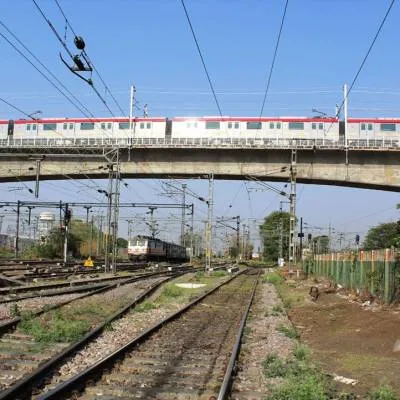
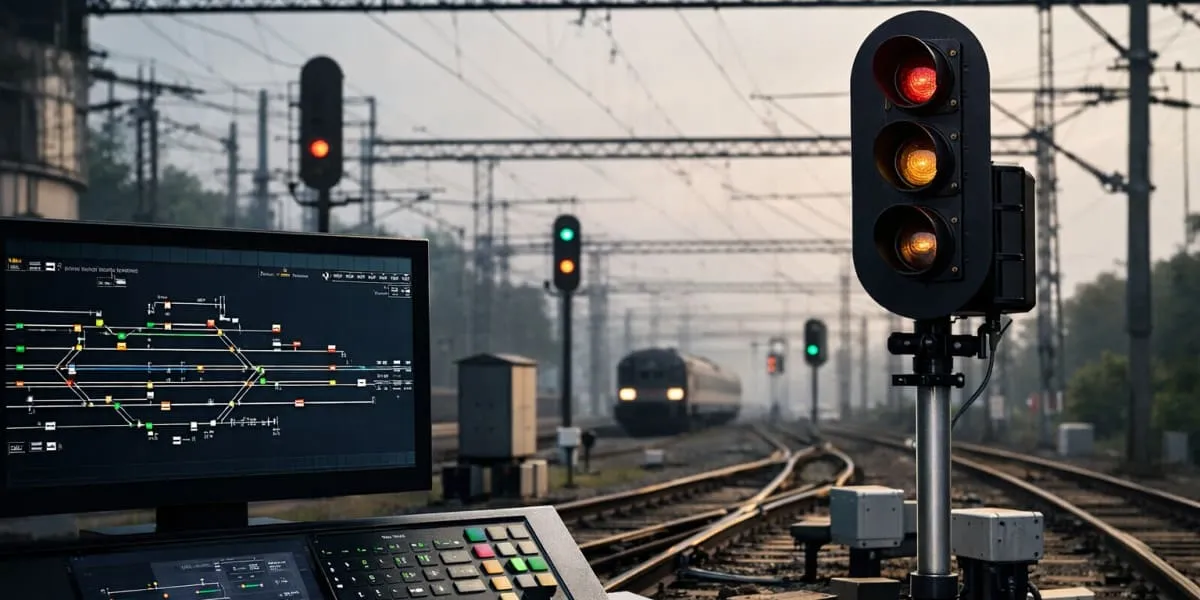
Indian Railways has approved a Rs 4.05 billion (Rs 4.05 bn) signalling modernisation project on Eastern Railway to replace relay-based interlocking systems with Electronic Interlocking (EI) at 32 stations. The work covers 25 Panel Interlocking and Route Relay Interlocking stations and seven Intermediate Block Signalling locations on High Density Network (HDN) and Highly Utilised Network (HUN) routes. The project is intended to strengthen safety, reliability and fault detection on busy corridors.

Many existing installations on these routes rely on ageing relay technology that presents operational limitations. The upgrade responds to issues including non-segregation of clean and dirty wiring, outdated power supply arrangements, inadequate earthing and worn signalling equipment that increase maintenance demands and failure risk. Replacing the legacy kit aims to reduce routine interventions and lower disruption to services.

Electronic Interlocking uses digital control to manage train movements and signalling operations with greater precision and reliability than conventional relay systems. The technology is expected to reduce the probability of signalling failures, improve system availability and enable faster restoration when faults occur. Improved diagnostics and centralised control capability will aid engineers in detecting and isolating problems more rapidly.

The modernised infrastructure will support smoother operations for both passenger and freight services along some of the busiest corridors in the region. The scheme aligns with broader plans to create a signalling ecosystem capable of supporting technologies such as Kavach, Automatic Block Signalling and Centralised Traffic Control. Integration with such systems is intended to enhance capacity and operational resilience.

The approval signals Indian Railways' continued commitment to modernising critical infrastructure and improving the reliability and safety of train services. Implementation on the identified stations will be rolled out as per the project schedule to deliver lasting improvements in operational performance.

Indian Railways has approved a Rs 4.05 billion (Rs 4.05 bn) signalling modernisation project on Eastern Railway to replace relay-based interlocking systems with Electronic Interlocking (EI) at 32 stations. The work covers 25 Panel Interlocking and Route Relay Interlocking stations and seven Intermediate Block Signalling locations on High Density Network (HDN) and Highly Utilised Network (HUN) routes. The project is intended to strengthen safety, reliability and fault detection on busy corridors. Many existing installations on these routes rely on ageing relay technology that presents operational limitations. The upgrade responds to issues including non-segregation of clean and dirty wiring, outdated power supply arrangements, inadequate earthing and worn signalling equipment that increase maintenance demands and failure risk. Replacing the legacy kit aims to reduce routine interventions and lower disruption to services. Electronic Interlocking uses digital control to manage train movements and signalling operations with greater precision and reliability than conventional relay systems. The technology is expected to reduce the probability of signalling failures, improve system availability and enable faster restoration when faults occur. Improved diagnostics and centralised control capability will aid engineers in detecting and isolating problems more rapidly. The modernised infrastructure will support smoother operations for both passenger and freight services along some of the busiest corridors in the region. The scheme aligns with broader plans to create a signalling ecosystem capable of supporting technologies such as Kavach, Automatic Block Signalling and Centralised Traffic Control. Integration with such systems is intended to enhance capacity and operational resilience. The approval signals Indian Railways' continued commitment to modernising critical infrastructure and improving the reliability and safety of train services. Implementation on the identified stations will be rolled out as per the project schedule to deliver lasting improvements in operational performance.

Related Stories

Gold Stories

Next Story
Real Estate

WSB Real Estate Partners Exits Six Housing Investments

WSB Real Estate Partners recently announced the successful exit of six residential investments across Bengaluru, Mumbai Metropolitan Region (MMR) and National Capital Region (NCR), delivering an average internal rate of return (IRR) of 19–21 per cent and an overall investment return of 1.4 times.The real estate-focused investment firm invested approximately Rs 7 billion across six mid-affordable housing projects over the past four years. All six investments were fully repaid between April and November 2026, several months ahead of their original investment tenures.WSB collaborated with sever..

Next Story
Infrastructure Transport

Aluminium Industry Seeks Policy Support for Rs 4 Trillion Investment

The Aluminium Association of India (AAI) has recently urged the government to introduce supportive policy measures to safeguard the sector’s proposed Rs 4 trillion investment pipeline. The association highlighted the need for a predictable policy framework to strengthen domestic manufacturing, expand production capacity and reduce import dependence.AAI submitted its recommendations for the Union Budget 2027-28 to the Ministries of Finance, Commerce and Industry, and Mines, along with the Department for Promotion of Industry and Internal Trade (DPIIT).India’s aluminium demand is projected t..
Next Story
Technology

ABB Unveils Intelligent Motor to Accelerate Industrial AI Adoption

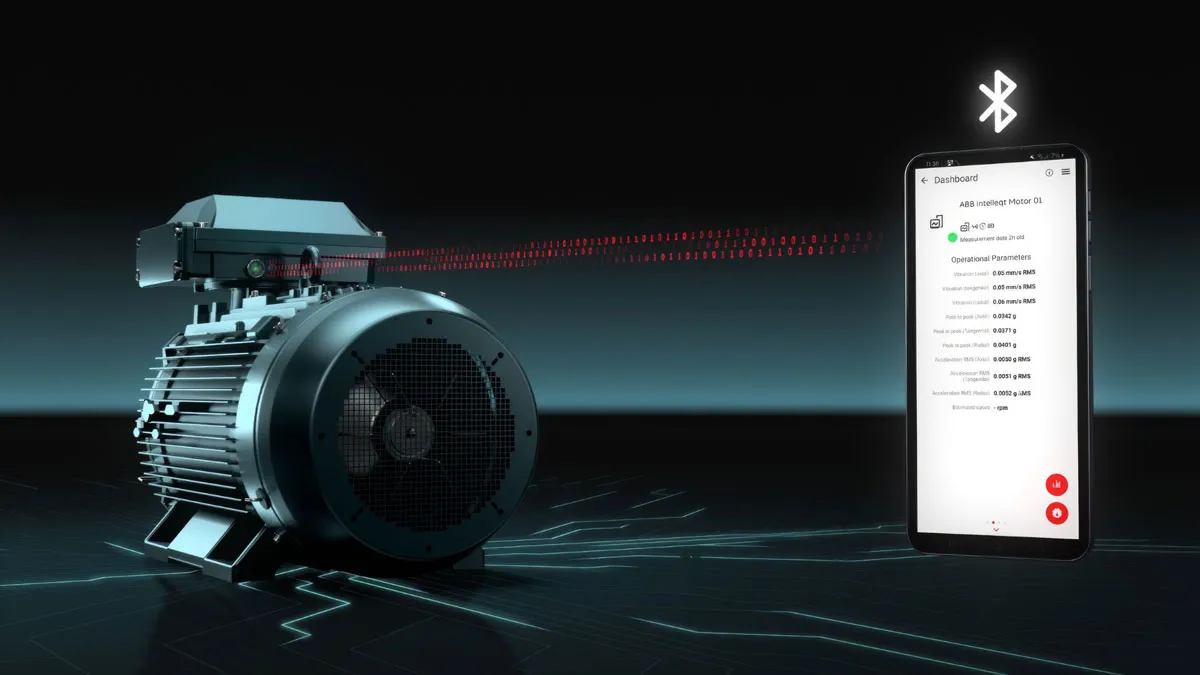
ABB recently launched Intelleqt, which it describes as the world’s first low-voltage motor with factory-integrated intelligence, at the SPS trade fair in Germany. Designed to deliver real-time operational insights from its first rotation, the motor enables industrial operators to integrate equipment-level data into existing digital platforms while retaining full ownership of their data.The launch addresses growing challenges in scaling artificial intelligence (AI) across industrial operations, particularly data quality and availability. According to Deloitte, while 84 per cent of manufacture..

Subscribe to Our Newsletter

Get daily newsletters around different themes from Construction world.

STAY CONNECTED

Advertisement

SPECIAL OFFER
QR Code