Indian Railways Commissions 472 km of Kavach 4.0 in Record Push
RAILWAYS & METRO RAIL

Indian Railways Commissions 472 km of Kavach 4.0 in Record Push

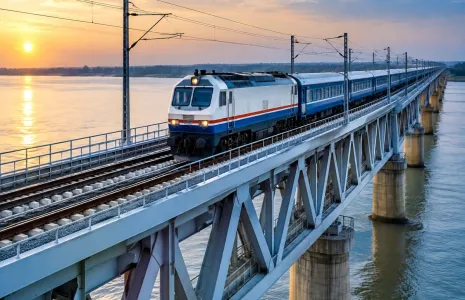
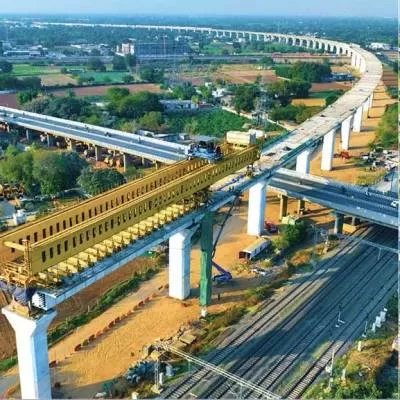
Indian Railways recently commissioned 472.3 route kilometres of Kavach Version 4.0, marking the highest-ever deployment of the indigenous Automatic Train Protection system in a single day. The rollout covered the Vadodara–Virar section (344 km) on Western Railway, Tuglakabad Junction Cabin–Palwal (35 km) on Northern Railway, and Manpur–Sarmatanr (93.3 km) on East Central Railway.
This commissioning surpassed the earlier record of 324 route kilometres and expanded Kavach 4.0 coverage to over 1,300 route kilometres across five zones. Prior to this, the system had been operational on key stretches including Palwal–Mathura–Nagda, Howrah–Bardhaman and the Bajwa–Ahmedabad section in Gujarat.
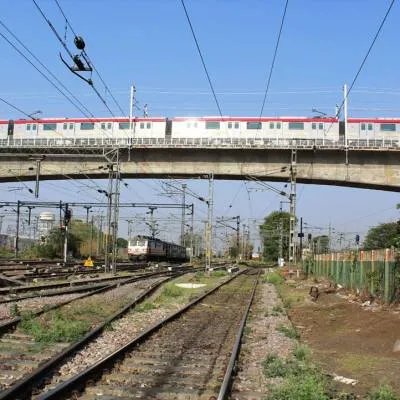
On Northern Railway, Kavach 4.0 has been implemented on the high-density Tuglakabad–Palwal stretch of the Delhi–Mumbai corridor, significantly enhancing safety on a section carrying suburban, passenger and freight traffic. On East Central Railway, train operations with Kavach began on the Manpur–Sarmatanr section, where successful automatic braking during a head-on collision test validated system performance.
Western Railway achieved a milestone with commissioning on the 344 km Vadodara–Surat–Virar section of the Delhi–Mumbai route, with the Dadar–Bhuj Sayajinagri Express becoming the first Kavach-enabled train to operate from Mumbai. Work is progressing on adjoining sections, including Vadodara–Nagda and Virar–Mumbai Central, while locomotive fitment is also advancing steadily.
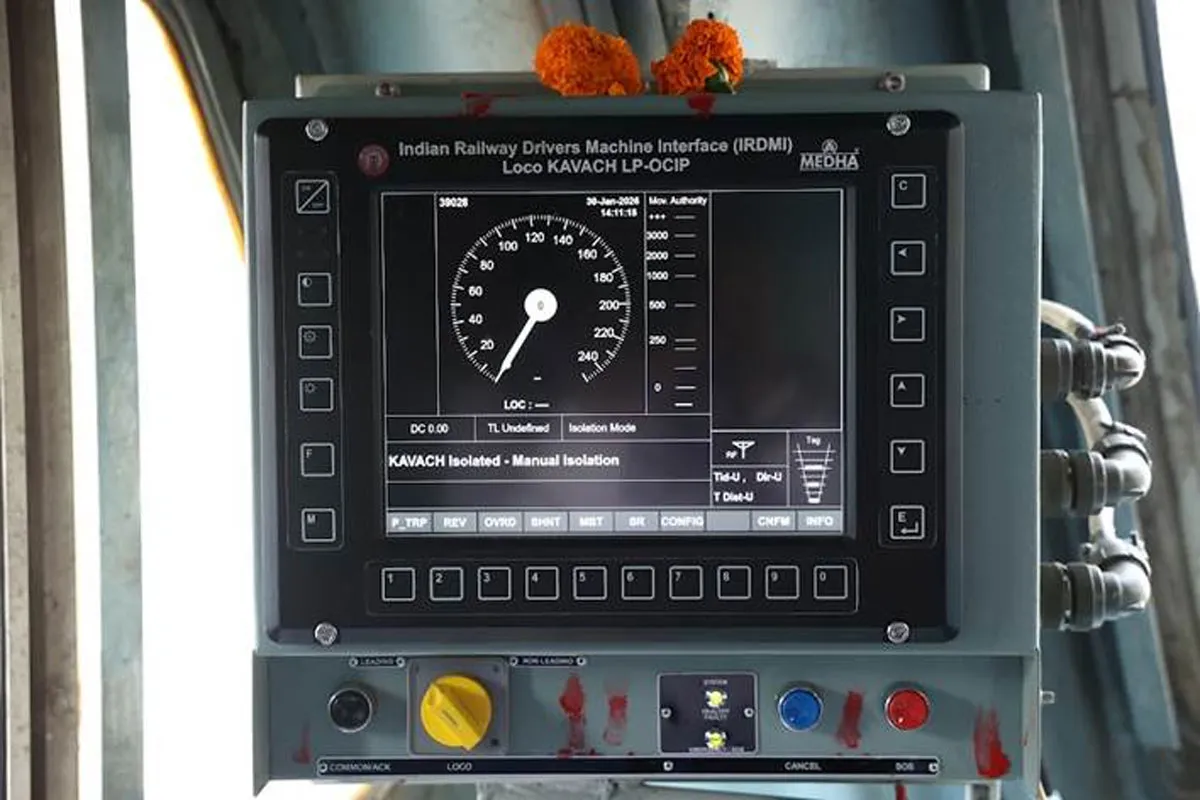
Kavach 4.0, approved by the Research Designs and Standards Organisation, integrates GPS, radio communication and onboard processing to prevent signal passing at danger, overspeeding and collisions. Certified to SIL-4 safety standards, the indigenously developed system supports safer operations on India’s high-density rail network and reduces reliance on imported technologies. 

Indian Railways recently commissioned 472.3 route kilometres of Kavach Version 4.0, marking the highest-ever deployment of the indigenous Automatic Train Protection system in a single day. The rollout covered the Vadodara–Virar section (344 km) on Western Railway, Tuglakabad Junction Cabin–Palwal (35 km) on Northern Railway, and Manpur–Sarmatanr (93.3 km) on East Central Railway.This commissioning surpassed the earlier record of 324 route kilometres and expanded Kavach 4.0 coverage to over 1,300 route kilometres across five zones. Prior to this, the system had been operational on key stretches including Palwal–Mathura–Nagda, Howrah–Bardhaman and the Bajwa–Ahmedabad section in Gujarat.On Northern Railway, Kavach 4.0 has been implemented on the high-density Tuglakabad–Palwal stretch of the Delhi–Mumbai corridor, significantly enhancing safety on a section carrying suburban, passenger and freight traffic. On East Central Railway, train operations with Kavach began on the Manpur–Sarmatanr section, where successful automatic braking during a head-on collision test validated system performance.Western Railway achieved a milestone with commissioning on the 344 km Vadodara–Surat–Virar section of the Delhi–Mumbai route, with the Dadar–Bhuj Sayajinagri Express becoming the first Kavach-enabled train to operate from Mumbai. Work is progressing on adjoining sections, including Vadodara–Nagda and Virar–Mumbai Central, while locomotive fitment is also advancing steadily.Kavach 4.0, approved by the Research Designs and Standards Organisation, integrates GPS, radio communication and onboard processing to prevent signal passing at danger, overspeeding and collisions. Certified to SIL-4 safety standards, the indigenously developed system supports safer operations on India’s high-density rail network and reduces reliance on imported technologies. 

Next Story
Infrastructure Transport

MMRDA advances 250 m on Orange Gate–Marine Drive tunnel

The Mumbai Metropolitan Region Development Authority (MMRDA) has completed 250 m of underground tunnelling for the Orange Gate–Marine Drive Urban Road Tunnel using India’s largest slurry shield tunnel boring machine (TBM) deployed for an urban road project.The project involves twin tunnels extending over 7 km beneath critical transport corridors, including Central Railway, Western Railway and Metro Line 3. The work requires high-precision engineering to navigate densely developed urban infrastructure.Once completed, the tunnel is expected to reduce travel time between Orange Gate and Marin..

Next Story
Infrastructure Urban

Hindustan Zinc Pays Rs 188.46 Billion in FY26

Hindustan Zinc contributed Rs 188.46 billion to the public exchequer in FY 2025-26, according to its 9th Tax Transparency Report. The contribution, equivalent to 46 per cent of the company’s revenue, included direct and indirect taxes, government royalties, dividends to the Government of India, withholding taxes and other statutory levies.The company’s five-year cumulative contribution to the exchequer stood at Rs 915.72 billion. In FY26, Hindustan Zinc reported revenue of Rs 408.44 billion, EBITDA of Rs 221.62 billion and profit after tax of Rs 138.32 billion. It also achieved its highest..

Next Story
Infrastructure Urban

World of Concrete India 2026 Opens in Mumbai

Informa Markets in India will host the 12th edition of World of Concrete India 2026 from 3–5 June 2026 at the Bombay Exhibition Centre, Mumbai. The specialised B2B exhibition will bring together manufacturers, suppliers, contractors, developers, architects, consultants, infrastructure companies, project leaders and government stakeholders.The event is expected to feature over 350 brands and more than 18,000 trade professionals. It will cover concrete and cement, dry mortar, precast technologies, formwork, construction chemicals, industrial and commercial flooring, scaffolding, safety solutio..

Advertisement

Subscribe to Our Newsletter

Get daily newsletters around different themes from Construction world.

STAY CONNECTED

Advertisement

Advertisement

Advertisement