+
Meerut Metro Set To Be India's Fastest Metro
RAILWAYS & METRO RAIL

Meerut Metro Set To Be India's Fastest Metro

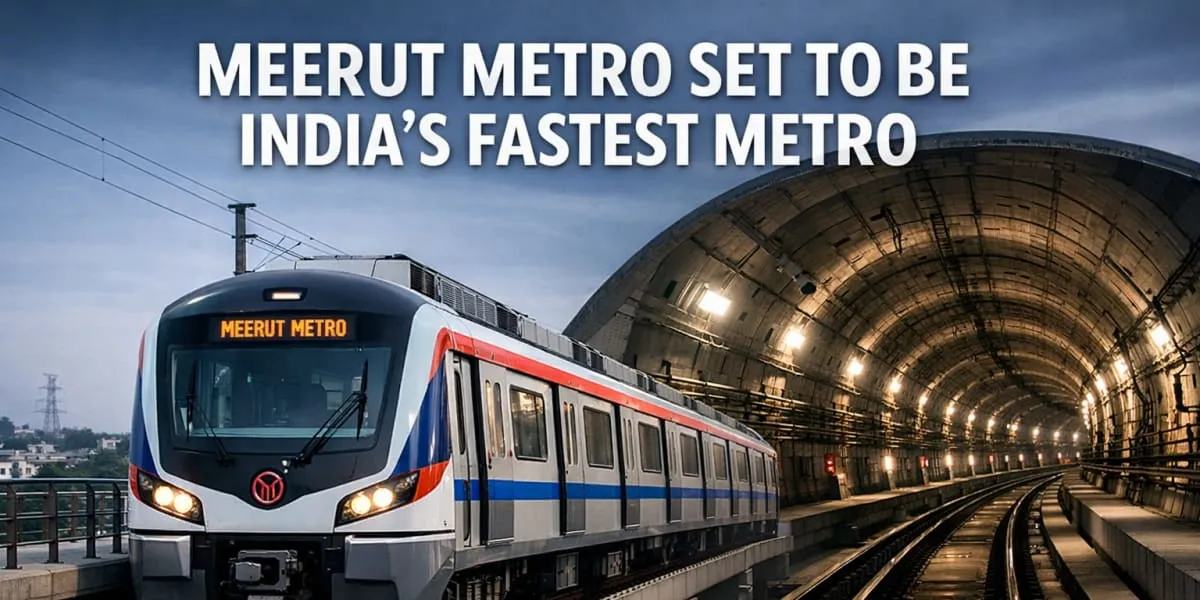
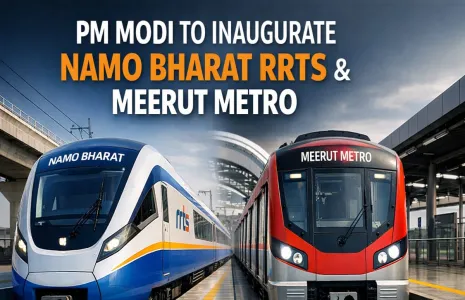
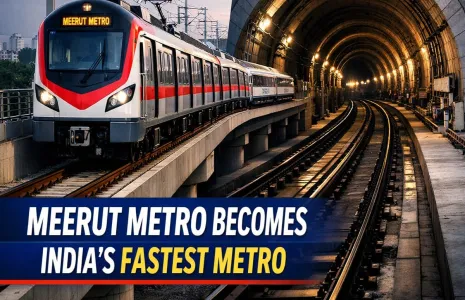
The National Capital Region Transport Corporation (NCRTC) has outlined the Meerut Metro project as a 23 km corridor that combines elevated and underground sections to improve urban mobility within Meerut. The corridor comprises 16 km of elevated alignment and seven km of underground track. The project is intended to provide efficient connectivity across the city while integrating with existing rapid transit infrastructure.

The corridor will include 13 stations serving key localities and one depot at Modipuram. Four stations, Meerut South, Shatabdi Nagar, Begumpul and Modipuram, will accommodate both Namo Bharat services and Meerut Metro operations. Overall station designs include nine elevated stations, three underground stations and one at grade facility.

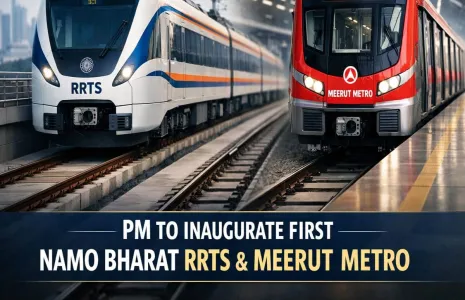
NCRTC has stated that Meerut Metro services will operate on the same tracks and infrastructure as the semi-high-speed Namo Bharat trains to enable seamless transfers between services. This arrangement is expected to allow commuters to change trains without causing discomfort and to make travel more comfortable. The integrated operation is positioned to enhance service frequency and reduce interchange times.

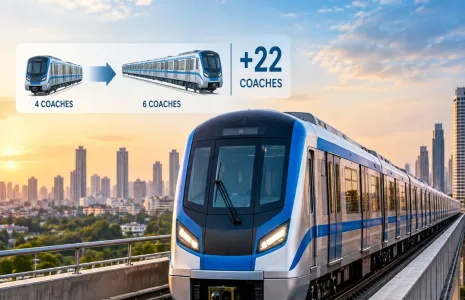
Trainsets will be of a modern design with air-conditioned coaches equipped with luggage racks, grab handles, CCTV cameras, USB mobile charging facilities and dynamic route maps. Trains will be three-car trainsets with ergonomically designed two by two transverse and longitudinal seating layouts and cushioned seats. A trainset can carry more than 700 passengers with a seating capacity of 173. Selective door opening operated via push buttons is planned to reduce energy consumption.

Safety features will include Platform Screen Doors (PSDs) installed at all stations and synchronised with train operations to assist crowd management. Additional measures will comprise passenger emergency communication systems, fire extinguishers, alarms and talk-back systems. There will be reserved seating in each coach for women passengers and senior citizens and dedicated space for medical stretchers and wheelchairs in emergencies.

The National Capital Region Transport Corporation (NCRTC) has outlined the Meerut Metro project as a 23 km corridor that combines elevated and underground sections to improve urban mobility within Meerut. The corridor comprises 16 km of elevated alignment and seven km of underground track. The project is intended to provide efficient connectivity across the city while integrating with existing rapid transit infrastructure. The corridor will include 13 stations serving key localities and one depot at Modipuram. Four stations, Meerut South, Shatabdi Nagar, Begumpul and Modipuram, will accommodate both Namo Bharat services and Meerut Metro operations. Overall station designs include nine elevated stations, three underground stations and one at grade facility. NCRTC has stated that Meerut Metro services will operate on the same tracks and infrastructure as the semi-high-speed Namo Bharat trains to enable seamless transfers between services. This arrangement is expected to allow commuters to change trains without causing discomfort and to make travel more comfortable. The integrated operation is positioned to enhance service frequency and reduce interchange times. Trainsets will be of a modern design with air-conditioned coaches equipped with luggage racks, grab handles, CCTV cameras, USB mobile charging facilities and dynamic route maps. Trains will be three-car trainsets with ergonomically designed two by two transverse and longitudinal seating layouts and cushioned seats. A trainset can carry more than 700 passengers with a seating capacity of 173. Selective door opening operated via push buttons is planned to reduce energy consumption. Safety features will include Platform Screen Doors (PSDs) installed at all stations and synchronised with train operations to assist crowd management. Additional measures will comprise passenger emergency communication systems, fire extinguishers, alarms and talk-back systems. There will be reserved seating in each coach for women passengers and senior citizens and dedicated space for medical stretchers and wheelchairs in emergencies.

Next Story
Infrastructure Transport

Guwahati Airport New Terminal Set To Begin Operations

The new terminal at Lokpriya Gopinath Bardoloi International Airport in Guwahati is scheduled to begin operations on February 22, state officials said. The announcement was made by the Chief Minister of Assam, who indicated that the facility will open to passengers on that date. The terminal forms part of a broader effort to upgrade aviation infrastructure in the region. The facility is expected to offer enhanced passenger amenities and streamlined movement across terminals. The integrated Terminal-2 building was inaugurated by the Prime Minister on 20 December last year and was constructed at..

Next Story
Infrastructure Urban

India–France Centre of Excellence in Aeronautics Announced for Kanpur

The Prime Minister announced the establishment of a National Centre of Excellence (NCoE) for skilling in aeronautics and defence at the National Skill Training Institute (NSTI), Kanpur, in collaboration with the Government of the French Republic under the Pradhan Mantri Skilling and Employability Transformation through Upgraded ITIs (PM-SETU) scheme of the Ministry of Skill Development and Entrepreneurship (MSDE). The announcement was made during a joint press statement with the President of France at the inauguration of the India–France Year of Innovation. The centre will focus on advanced ..

Next Story
Infrastructure Urban

Embraer And Mahindra Deepen Partnership For C-390 MRO In India

Brazilian aerospace manufacturer Embraer and Indian conglomerate Mahindra Group have agreed to deepen cooperation to develop Maintenance, Repair and Overhaul capabilities for the C-390 Millennium aircraft in India, contingent on the Indian Air Force selecting the type for its Medium Transport Aircraft programme. The initiative is intended to align with the government’s Make in India drive and to strengthen indigenous defence manufacturing capacities. The partners envisage the proposed facility supporting both military and civil operators and creating significant employment across manufacturi..

Advertisement

Subscribe to Our Newsletter

Get daily newsletters around different themes from Construction world.

STAY CONNECTED

Advertisement

Advertisement

Advertisement

Open In App