MMRC, Cityflo Launch Feeder Buses for Metro Line 3
RAILWAYS & METRO RAIL

MMRC, Cityflo Launch Feeder Buses for Metro Line 3

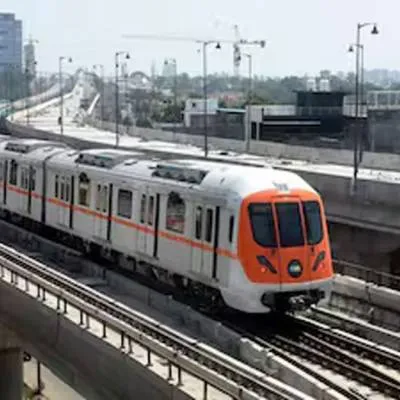
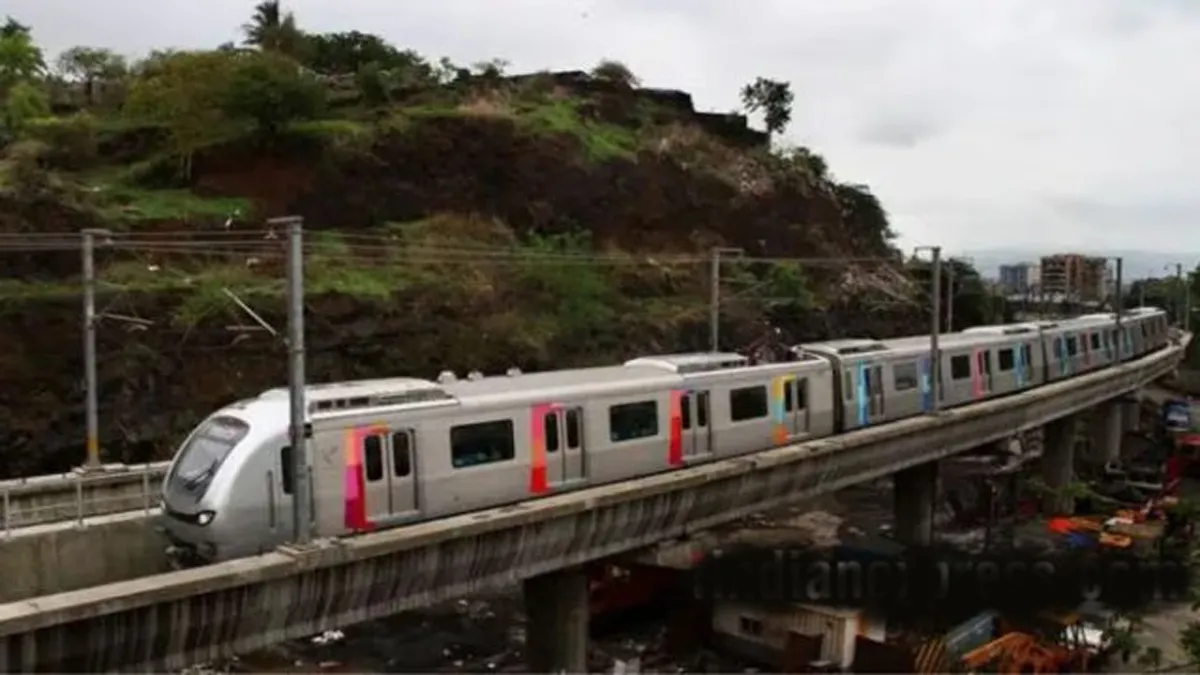
The Mumbai Metro Rail Corporation (MMRC), in collaboration with Cityflo, has launched dedicated feeder bus services for commuters using the newly inaugurated Mumbai Metro Line 3 (Aqua Line). The initiative aims to enhance first and last mile connectivity across key metro stations and surrounding commercial hubs.

Initially, the feeder services will operate from three major stations — Bandra-Kurla Complex (BKC), Worli, and Chhatrapati Shivaji Maharaj Terminus (CSMT) — offering smooth links between the metro and important business and residential areas.

At BKC, the route will cover NSE, Jio Garden, One BKC, and the Family Court. At Worli, it will connect Century Mills, One Indiabulls Centre, Kamala Mills, and Peninsula Corporate Park. At CSMT, the service will reach Old Custom House, Lions Gate, S.P. Mukherjee Chowk, K.C. College, and Churchgate Metro Station.

The buses will operate at 10-minute intervals during peak hours, with introductory fares starting at Rs 29 per ride and a monthly pass available at Rs 499. The system offers integrated ticketing through the Cityflo and MetroConnect3 mobile apps for commuter convenience.

“Metro Line 3 marks a new era in Mumbai’s transport network. To ensure seamless travel, reliable first and last mile options are essential. The Cityflo feeder service extends the metro’s efficiency right to commuters’ doorsteps,” said R. Ramana, Director (Planning & Real Estate Development/NFBR) at MMRC.

Jerin Venad, CEO of Cityflo, added, “We’re proud to partner with MMRC in developing an integrated mobility ecosystem for Mumbai. These feeder routes encourage citizens to adopt sustainable, shared, and technology-driven modes of travel.”

The collaboration supports Mumbai’s broader goal of reducing road congestion, improving multimodal integration, and promoting sustainable urban mobility.

The Mumbai Metro Rail Corporation (MMRC), in collaboration with Cityflo, has launched dedicated feeder bus services for commuters using the newly inaugurated Mumbai Metro Line 3 (Aqua Line). The initiative aims to enhance first and last mile connectivity across key metro stations and surrounding commercial hubs. Initially, the feeder services will operate from three major stations — Bandra-Kurla Complex (BKC), Worli, and Chhatrapati Shivaji Maharaj Terminus (CSMT) — offering smooth links between the metro and important business and residential areas. At BKC, the route will cover NSE, Jio Garden, One BKC, and the Family Court. At Worli, it will connect Century Mills, One Indiabulls Centre, Kamala Mills, and Peninsula Corporate Park. At CSMT, the service will reach Old Custom House, Lions Gate, S.P. Mukherjee Chowk, K.C. College, and Churchgate Metro Station. The buses will operate at 10-minute intervals during peak hours, with introductory fares starting at Rs 29 per ride and a monthly pass available at Rs 499. The system offers integrated ticketing through the Cityflo and MetroConnect3 mobile apps for commuter convenience. “Metro Line 3 marks a new era in Mumbai’s transport network. To ensure seamless travel, reliable first and last mile options are essential. The Cityflo feeder service extends the metro’s efficiency right to commuters’ doorsteps,” said R. Ramana, Director (Planning & Real Estate Development/NFBR) at MMRC. Jerin Venad, CEO of Cityflo, added, “We’re proud to partner with MMRC in developing an integrated mobility ecosystem for Mumbai. These feeder routes encourage citizens to adopt sustainable, shared, and technology-driven modes of travel.” The collaboration supports Mumbai’s broader goal of reducing road congestion, improving multimodal integration, and promoting sustainable urban mobility.

Next Story
Infrastructure Energy

Coal Ministry Simplifies Disposal of Washery Rejects

The Ministry of Coal has recently simplified the process for disposal of coal washery rejects to enhance ease of doing business and ensure faster utilisation, while maintaining environmental safeguards. The move aligns with the government’s Atmanirbhar Bharat vision and ongoing reform agenda in the coal sector. Under the existing policy issued on 27 May 2021, washery rejects were disposed of through a three-tier priority system. The first priority allows their use for energy extraction, in line with Solid Waste Management Rules, 2016, applicable to waste with calorific value above 1,500 kca..

Next Story
Infrastructure Urban

India, Oman Sign CEPA to Boost Trade and Services Ties

India and Oman have recently signed a Comprehensive Economic Partnership Agreement (CEPA), marking a major milestone in India’s strategic engagement with the Gulf region. The agreement was signed in the presence of Narendra Modi and Sultan Haitham bin Tarik, by Piyush Goyal and Qais bin Mohammed Al Yousef. The CEPA provides unprecedented market access for Indian goods, with Oman offering zero-duty access on 98.08 per cent of its tariff lines, covering 99.38 per cent of India’s exports by value. Major labour-intensive sectors such as textiles, leather, footwear, gems and jewellery, enginee..

Next Story
Technology

TTDF Backs 136 Telecom R&D Projects Worth Rs 5.42 Bn

The Telecom Technology Development Fund (TTDF) Scheme has recently approved 136 projects worth Rs 5.42 billion to strengthen indigenous telecom innovation across India, the government informed Parliament. The scheme focuses on bridging the digital divide by enabling development and manufacturing of advanced telecom technologies for rural and remote areas. In a written reply to the Rajya Sabha, Minister of State for Communications and Rural Development Pemmasani Chandra Sekhar said the TTDF Scheme, launched on 1 October 2022, supports IITs, NITs, MSMEs, start-ups and research institutions work..

Advertisement

Subscribe to Our Newsletter

Get daily newsletters around different themes from Construction world.

STAY CONNECTED

Advertisement

Advertisement

Advertisement

Advertisement

Open In App