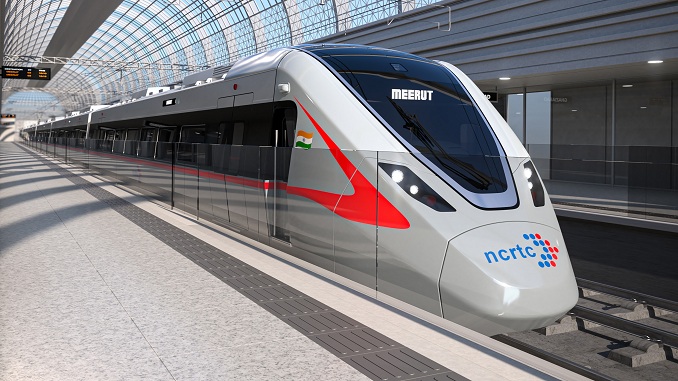
NCRTC develops India's first rapid rail transit system in Ghaziabad
RAILWAYS & METRO RAIL

NCRTC develops India's first rapid rail transit system in Ghaziabad

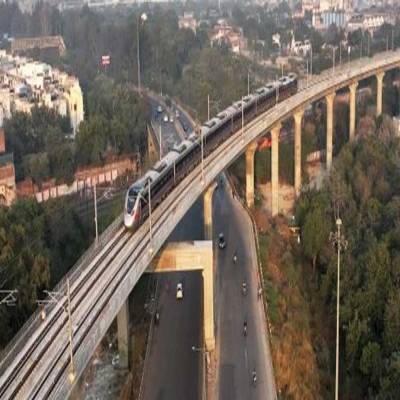
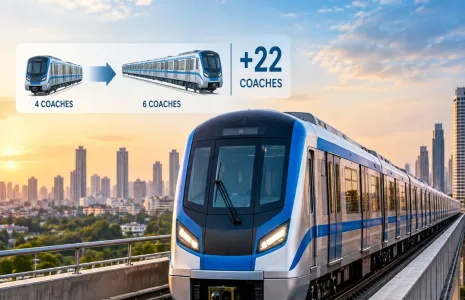
India's first rapid rail transit system is being developed by National Capital Region Transport Corporation (NCRTC) in Ghaziabad and is ready for a trial run.

It will be a fast-paced regional transport system that will be functional from Sarai Kale Khan in Delhi to Meerut in Uttar Pradesh through Ghaziabad.

Two types of trains will operate under Regional Rapid Transit System (RRTS). The first train is called Rapid Rail and will operate from Modipuram through Begumpur Partapur to Sarai Kale Khan of Delhi. The second one is called Meerut Metro and will operate from Modipuram through Begumpur to Partapur.

The rapid rail trains number will be up to 30, at a frequency of every 10 minutes. The trains will operate at 160 km per hour speed and will cover the distance between Delhi to Meerut in only 55 minutes.

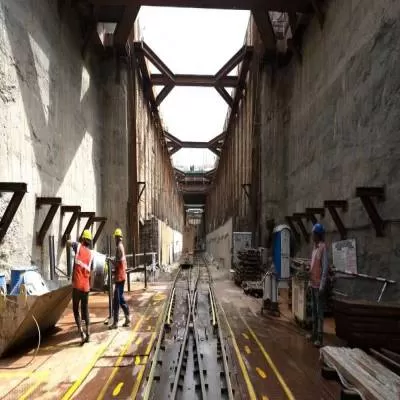
In the first phase, the railway corridor construction between Delhi to Ghaziabad's Duhai is being finished rapidly and is in the last stage.

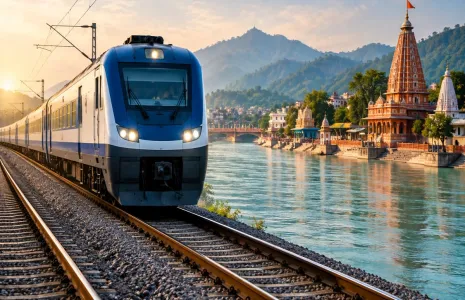
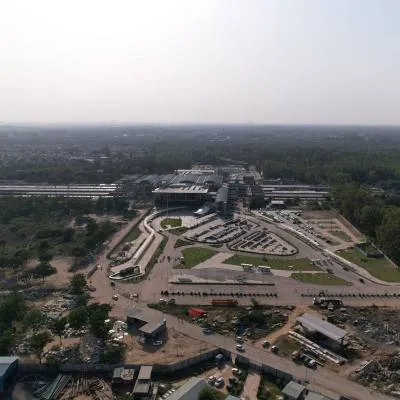
In Duhai Depot, the nation's first Regional Rapid Rail has also been developed. The train was obtained to this depot on six big trailers from Gujarat's Savli through Rajasthan and Haryana to Ghaziabad.

A total of 17 railway lines have been constructed in this depot, out of which there are 11 stabling lines, three internal way lines, two workshop lines, and one heavy internal line.

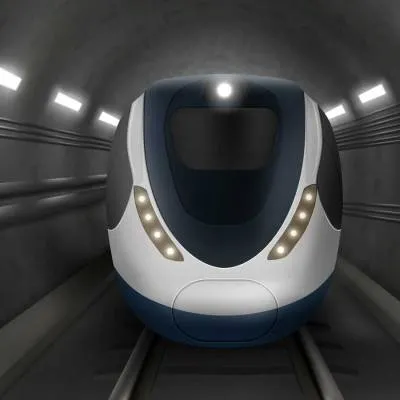
Rapid Rail boasts an appealing modern design with a regenerative braking system that will produce electricity.

This rail is a fully automatic train, which indicates that it will operate on the automatic operation, and security will be fitted with automatic control.

Facilities like CCTV cameras, dynamic route map reading, ventilation, laptop mobile charging, air conditioning, etc will also make the journey amazing.

Image Source

Also read: NCRTC to build Jangpura station as transit hub on Delhi-Meerut RRTS

"Join industry leaders at RAHSTA Expo, India's premier platform for roads, highways and traffic infrastructure. Register now to explore innovations, network with experts and shape the future of mobility."

India's first rapid rail transit system is being developed by National Capital Region Transport Corporation (NCRTC) in Ghaziabad and is ready for a trial run. It will be a fast-paced regional transport system that will be functional from Sarai Kale Khan in Delhi to Meerut in Uttar Pradesh through Ghaziabad. Two types of trains will operate under Regional Rapid Transit System (RRTS). The first train is called Rapid Rail and will operate from Modipuram through Begumpur Partapur to Sarai Kale Khan of Delhi. The second one is called Meerut Metro and will operate from Modipuram through Begumpur to Partapur. The rapid rail trains number will be up to 30, at a frequency of every 10 minutes. The trains will operate at 160 km per hour speed and will cover the distance between Delhi to Meerut in only 55 minutes. In the first phase, the railway corridor construction between Delhi to Ghaziabad's Duhai is being finished rapidly and is in the last stage. In Duhai Depot, the nation's first Regional Rapid Rail has also been developed. The train was obtained to this depot on six big trailers from Gujarat's Savli through Rajasthan and Haryana to Ghaziabad. A total of 17 railway lines have been constructed in this depot, out of which there are 11 stabling lines, three internal way lines, two workshop lines, and one heavy internal line. Rapid Rail boasts an appealing modern design with a regenerative braking system that will produce electricity. This rail is a fully automatic train, which indicates that it will operate on the automatic operation, and security will be fitted with automatic control. Facilities like CCTV cameras, dynamic route map reading, ventilation, laptop mobile charging, air conditioning, etc will also make the journey amazing. Image Source Also read: NCRTC to build Jangpura station as transit hub on Delhi-Meerut RRTS

Next Story
Infrastructure Transport

MMRDA advances 250 m on Orange Gate–Marine Drive tunnel

The Mumbai Metropolitan Region Development Authority (MMRDA) has completed 250 m of underground tunnelling for the Orange Gate–Marine Drive Urban Road Tunnel using India’s largest slurry shield tunnel boring machine (TBM) deployed for an urban road project.The project involves twin tunnels extending over 7 km beneath critical transport corridors, including Central Railway, Western Railway and Metro Line 3. The work requires high-precision engineering to navigate densely developed urban infrastructure.Once completed, the tunnel is expected to reduce travel time between Orange Gate and Marin..

Next Story
Infrastructure Urban

Hindustan Zinc Pays Rs 188.46 Billion in FY26

Hindustan Zinc contributed Rs 188.46 billion to the public exchequer in FY 2025-26, according to its 9th Tax Transparency Report. The contribution, equivalent to 46 per cent of the company’s revenue, included direct and indirect taxes, government royalties, dividends to the Government of India, withholding taxes and other statutory levies.The company’s five-year cumulative contribution to the exchequer stood at Rs 915.72 billion. In FY26, Hindustan Zinc reported revenue of Rs 408.44 billion, EBITDA of Rs 221.62 billion and profit after tax of Rs 138.32 billion. It also achieved its highest..

Next Story
Infrastructure Urban

World of Concrete India 2026 Opens in Mumbai

Informa Markets in India will host the 12th edition of World of Concrete India 2026 from 3–5 June 2026 at the Bombay Exhibition Centre, Mumbai. The specialised B2B exhibition will bring together manufacturers, suppliers, contractors, developers, architects, consultants, infrastructure companies, project leaders and government stakeholders.The event is expected to feature over 350 brands and more than 18,000 trade professionals. It will cover concrete and cement, dry mortar, precast technologies, formwork, construction chemicals, industrial and commercial flooring, scaffolding, safety solutio..

Advertisement

Subscribe to Our Newsletter

Get daily newsletters around different themes from Construction world.

STAY CONNECTED

Advertisement

Advertisement

Advertisement