+
bauma ConExpo Exclusive: We are building an ecosystem around the machine: Rentease
Equipment

bauma ConExpo Exclusive: We are building an ecosystem around the machine: Rentease

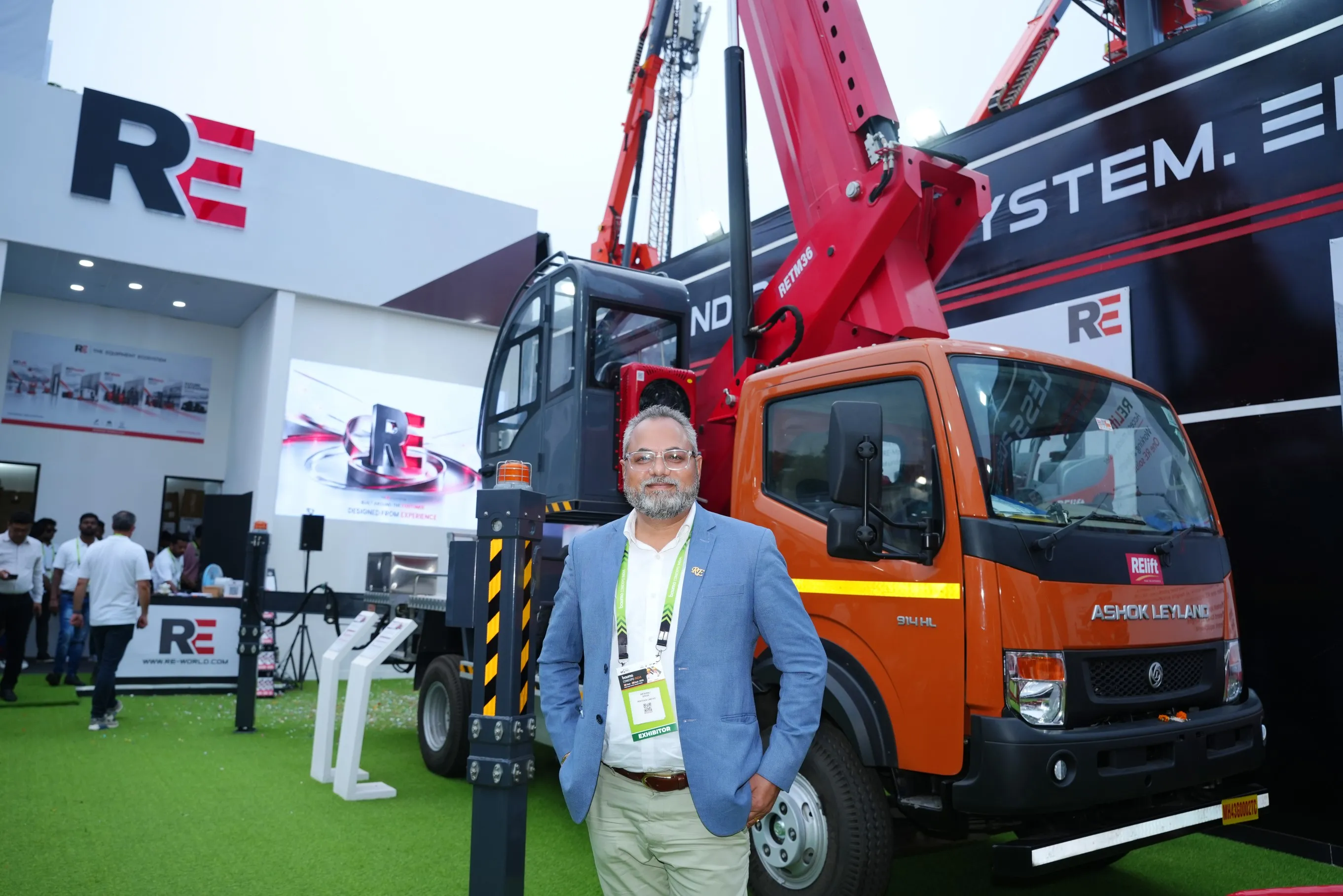
- Inputs by Meghraj Singh, Chairman and Managing Director, Rentease

How has RentEase evolved from a rental company into a manufacturing business?
RentEase started as a rental company in 2017, after we acquired a Bangalore-based company with around 70–75 machines. Over the years, our experience on the ground helped us understand what customers actually need. We realised that they are not simply looking for a machine but for a complete equipment ecosystem.
This led us to develop our own machines under the RE brand, with the concept of ‘Make it easy for our customers’. We are designing equipment around Field operating conditions and needs, with a focus on ease of use, lower maintenance and total cost of ownership.

What did your initial experience with the RE machines reveal?
We initially introduced 25 machines into our own rental fleet and operated them for around 18 months. We reviewed the log sheets and worked closely with our technical team to assess breakdowns and maintenance.
The results gave us confidence to take the product to market. We saw a significant reduction in maintenance costs, which was around 70–75 per cent in our initial assessment. Before Bauma, we had already sold around 300 machines in the market.

What is driving the shift towards equipment rentals in India?
India and other countries such as Asia, Middle East and Africa has a significant shortage of skilled operators, and customers often need machines along with operators. This can affect productivity, particularly when operators are not adequately trained to use sophisticated equipment.
We believe machines need to be simpler and more user-friendly. Misoperation can often lead to breakdowns, so our approach is to reduce unnecessary complexity and make equipment easier to operate and maintain.

What are your manufacturing plans for the next five years?
Our objective is to establish a full-fledged manufacturing presence in India. We have been in discussions with Invest India and have proposed an investment of at least Rs 500 crore, planned in phases. We intend to begin with scissor lifts, followed by truck-mounted equipment, smaller products and other components.
We are initially looking at factories in Maharashtra and Noida. The approach is to build volumes before making large infrastructure investments, while progressively increasing localisation.

How do you plan to build a distribution and customer-support ecosystem?
We currently have 16 locations and plan to build a much wider distribution footprint, potentially across all 29 states. Our focus is not simply on appointing distributors but on creating partners who maintain machine inventory and have the capacity to support customers locally.
We also plan to establish RE World Experience Centres. The first phase targets 50 centres, with a longer-term ambition of 100. These B2B centres will allow customers to see, operate and experience the machines before making a purchase.

How important will digitalisation be to this expansion?
Digitalisation will be central to managing a larger network, we will develop this part of our business in a further phase and communication.

- Inputs by Meghraj Singh, Chairman and Managing Director, RenteaseHow has RentEase evolved from a rental company into a manufacturing business?RentEase started as a rental company in 2017, after we acquired a Bangalore-based company with around 70–75 machines. Over the years, our experience on the ground helped us understand what customers actually need. We realised that they are not simply looking for a machine but for a complete equipment ecosystem.This led us to develop our own machines under the RE brand, with the concept of ‘Make it easy for our customers’. We are designing equipment around Field operating conditions and needs, with a focus on ease of use, lower maintenance and total cost of ownership.What did your initial experience with the RE machines reveal?We initially introduced 25 machines into our own rental fleet and operated them for around 18 months. We reviewed the log sheets and worked closely with our technical team to assess breakdowns and maintenance.The results gave us confidence to take the product to market. We saw a significant reduction in maintenance costs, which was around 70–75 per cent in our initial assessment. Before Bauma, we had already sold around 300 machines in the market.What is driving the shift towards equipment rentals in India?India and other countries such as Asia, Middle East and Africa has a significant shortage of skilled operators, and customers often need machines along with operators. This can affect productivity, particularly when operators are not adequately trained to use sophisticated equipment.We believe machines need to be simpler and more user-friendly. Misoperation can often lead to breakdowns, so our approach is to reduce unnecessary complexity and make equipment easier to operate and maintain.What are your manufacturing plans for the next five years?Our objective is to establish a full-fledged manufacturing presence in India. We have been in discussions with Invest India and have proposed an investment of at least Rs 500 crore, planned in phases. We intend to begin with scissor lifts, followed by truck-mounted equipment, smaller products and other components.We are initially looking at factories in Maharashtra and Noida. The approach is to build volumes before making large infrastructure investments, while progressively increasing localisation.How do you plan to build a distribution and customer-support ecosystem?We currently have 16 locations and plan to build a much wider distribution footprint, potentially across all 29 states. Our focus is not simply on appointing distributors but on creating partners who maintain machine inventory and have the capacity to support customers locally.We also plan to establish RE World Experience Centres. The first phase targets 50 centres, with a longer-term ambition of 100. These B2B centres will allow customers to see, operate and experience the machines before making a purchase.How important will digitalisation be to this expansion?Digitalisation will be central to managing a larger network, we will develop this part of our business in a further phase and communication.

Related Stories

Gold Stories

Next Story
Infrastructure Transport

Embraer to Acquire 51 Per Cent Stake in Mahindra Aerospace Arm

Brazilian aerospace major Embraer will acquire a 51 per cent equity stake in Novavayu Aerospace, a step-down subsidiary of Mahindra and Mahindra, under an Investment Agreement notified by the automobile company in an exchange filing. The transaction will give Embraer control of the aerospace business. Following completion of the acquisition, Novavayu Aerospace will cease to be a wholly owned subsidiary and become an associate of Mahindra Defence Systems, which is a step-down wholly owned subsidiary of Mahindra and Mahindra. The agreement is expected to be completed on or before December 1. Mah..
Next Story
Infrastructure Urban

RBI Opens Special Dollar Window for Three State-Run OMCs

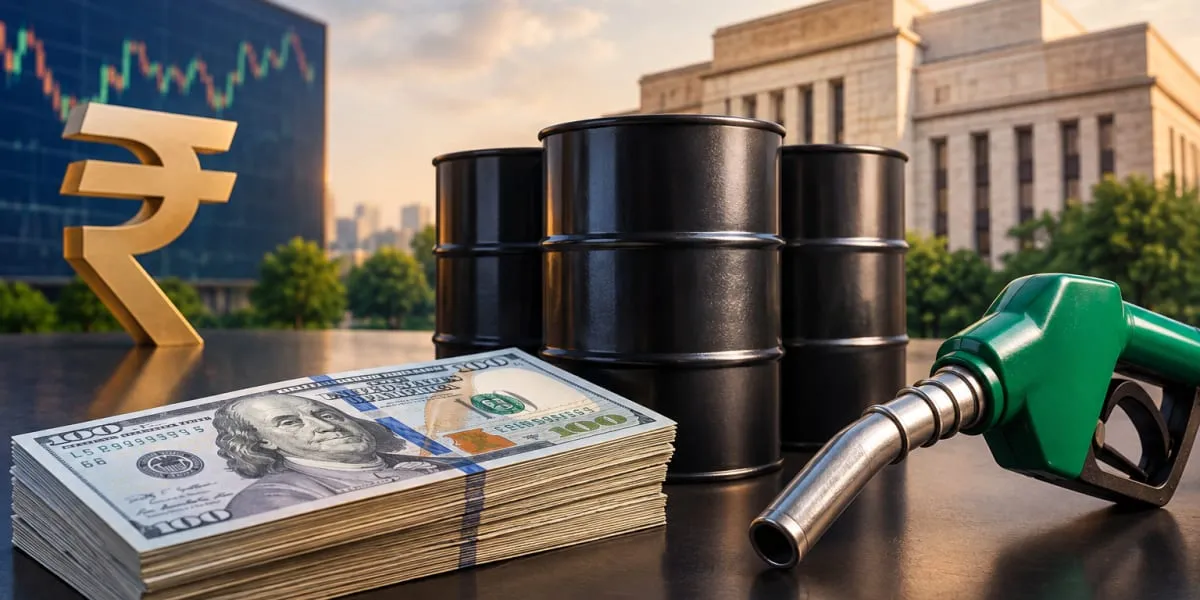
The Reserve Bank of India (RBI) has opened a special facility to meet the entire daily US dollar requirements of three public sector oil marketing companies (OMCs), in a move aimed at easing pressure on the Indian rupee. The facility will take effect on October 12, 2026, and remain available until further notice. Indian Oil Corporation, Hindustan Petroleum Corporation and Bharat Petroleum Corporation are eligible to use the arrangement. Under the facility, the RBI will sell US dollars to the three companies through designated banks, allowing them to meet their oil-import payments without sourc..
Next Story
Building Material

Cement Prices Likely to Rise Rs. 10-15 per Bag from Mid-October

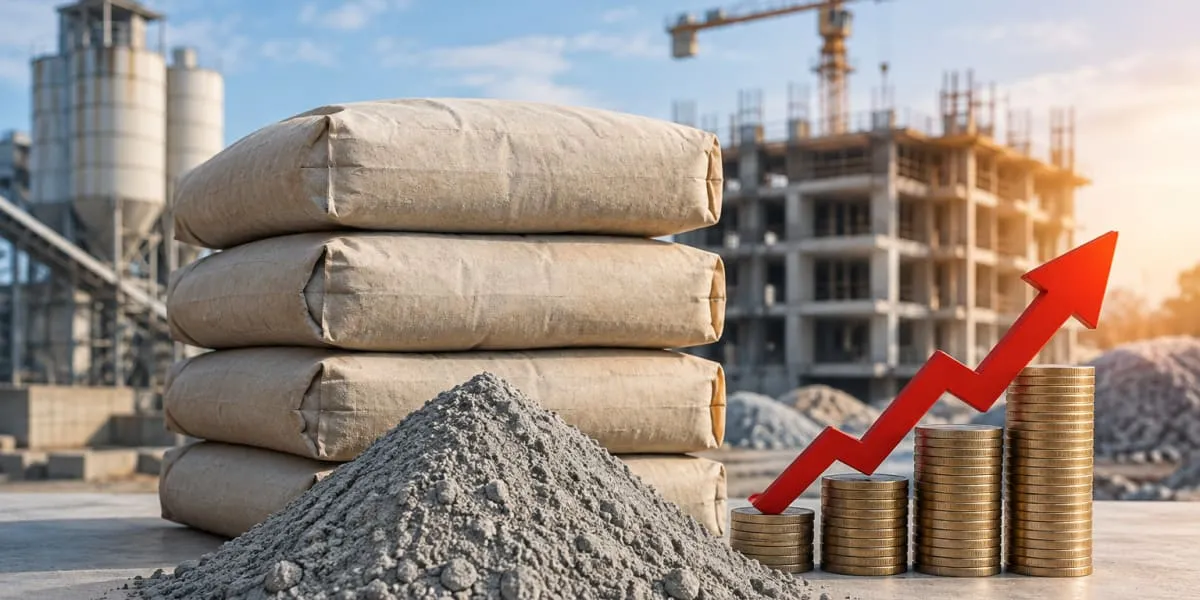
Cement manufacturers in India are likely to raise prices by Rs. 10-15 per bag from mid-October, as they seek to offset persistent increases in power and fuel costs. Emkay Research said its channel checks indicated a high probability of an increase from October 12, supported by the start of the busy construction season and favourable demand-supply conditions. The sector had implemented similar rate adjustments of Rs. 10-15 per bag during the first quarter, but the increases were insufficient to cover higher operating costs. Prices also softened during July and August because of the monsoon, wid..

Advertisement

Subscribe to Our Newsletter

Get daily newsletters around different themes from Construction world.

STAY CONNECTED

Advertisement

SPECIAL OFFER
QR Code