Indian Railways Approves Electronic Interlocking For Eastern Railway
RAILWAYS & METRO RAIL

Indian Railways Approves Electronic Interlocking For Eastern Railway

Indian Railways has approved an Electronic Interlocking project for Eastern Railway at a cost of Rs 4,320 million (Rs 4,320 mn). The investment will finance installation of electronic interlocking systems to modernise signalling and enhance operational safety on key routes. The authority said the move forms part of ongoing efforts to upgrade infrastructure and improve train punctuality.

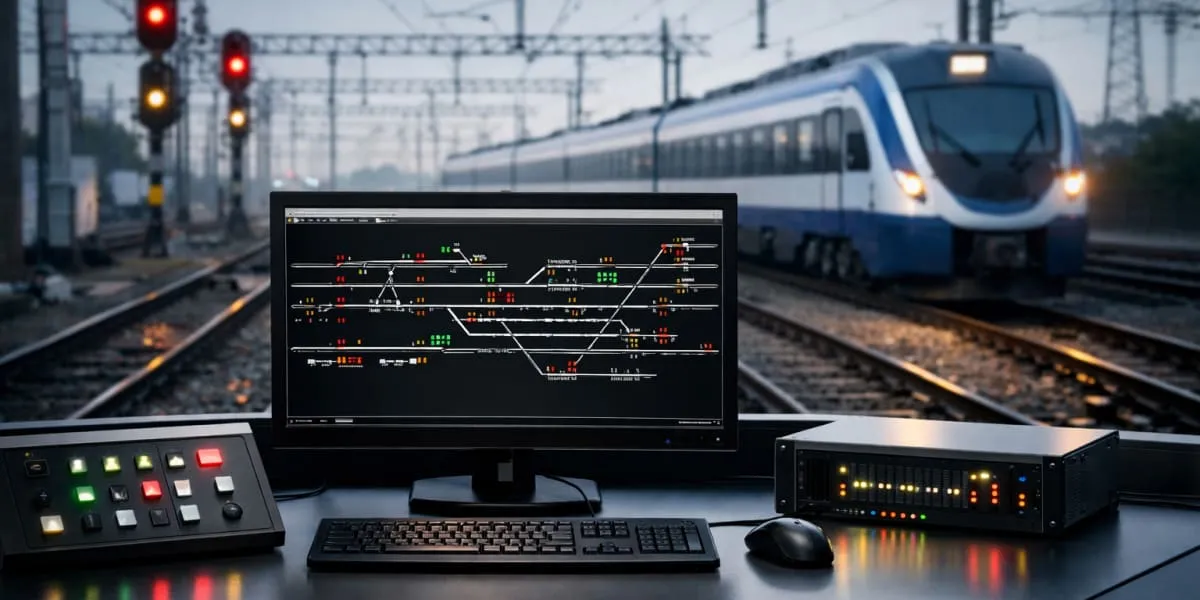
Electronic interlocking replaces mechanical and relay systems with computer-based logic that controls points and signals, reducing the scope for human error and enabling faster trail-setting. The systems are used to manage track movements and can support more efficient train sequencing, which supports improved line capacity and reduced delays. The project will also lower maintenance requirements compared with legacy equipment.

The deployment will include integration with existing signalling and traffic management systems to ensure interoperability and continuity of operations. Engineers will follow standard commissioning and testing protocols to validate safety and reliability before bringing sections into regular service. Procurement and implementation will be managed through established Indian Railways procedures.

The project aligns with broader national efforts to modernise rail infrastructure and adopt digital control technologies across zones. Eastern Railway will coordinate with workshops and zonal offices to sequence work so as to minimise disruption to passengers and freight movements. The approved funding is intended to accelerate upgrades and strengthen resilience of the network.

The initiative will include capacity building for staff to operate and maintain the new systems, with training programmes aligned to technical specifications. Vendors and zonal technical teams will conduct joint trials and audits during the commissioning phase to verify performance and compliance. Safety certification will be completed in line with regulatory frameworks before any section enters routine operation.

Funding allocation for the scheme follows sanctioning procedures and budgetary approvals within Indian Railways, allowing project managers to commence detailed planning and tendering processes. The undertaking contributes to sustained efforts to reduce accidents and enhance service quality across the Eastern Railway network. Officials described the approval as a significant step towards modern infrastructure management on the routes concerned.

Indian Railways has approved an Electronic Interlocking project for Eastern Railway at a cost of Rs 4,320 million (Rs 4,320 mn). The investment will finance installation of electronic interlocking systems to modernise signalling and enhance operational safety on key routes. The authority said the move forms part of ongoing efforts to upgrade infrastructure and improve train punctuality. Electronic interlocking replaces mechanical and relay systems with computer-based logic that controls points and signals, reducing the scope for human error and enabling faster trail-setting. The systems are used to manage track movements and can support more efficient train sequencing, which supports improved line capacity and reduced delays. The project will also lower maintenance requirements compared with legacy equipment. The deployment will include integration with existing signalling and traffic management systems to ensure interoperability and continuity of operations. Engineers will follow standard commissioning and testing protocols to validate safety and reliability before bringing sections into regular service. Procurement and implementation will be managed through established Indian Railways procedures. The project aligns with broader national efforts to modernise rail infrastructure and adopt digital control technologies across zones. Eastern Railway will coordinate with workshops and zonal offices to sequence work so as to minimise disruption to passengers and freight movements. The approved funding is intended to accelerate upgrades and strengthen resilience of the network. The initiative will include capacity building for staff to operate and maintain the new systems, with training programmes aligned to technical specifications. Vendors and zonal technical teams will conduct joint trials and audits during the commissioning phase to verify performance and compliance. Safety certification will be completed in line with regulatory frameworks before any section enters routine operation. Funding allocation for the scheme follows sanctioning procedures and budgetary approvals within Indian Railways, allowing project managers to commence detailed planning and tendering processes. The undertaking contributes to sustained efforts to reduce accidents and enhance service quality across the Eastern Railway network. Officials described the approval as a significant step towards modern infrastructure management on the routes concerned.

Related Stories

Gold Stories

Next Story
Infrastructure Urban

NABARD, NaBFID Partner to Fund Rural Infrastructure

The National Bank for Agriculture and Rural Development (NABARD) and the National Bank for Financing Infrastructure and Development (NaBFID) have signed a Memorandum of Understanding (MoU) to collaborate on financing infrastructure projects with significant rural impact.The partnership combines NABARD’s expertise in rural and agricultural infrastructure with NaBFID’s specialised infrastructure financing capabilities. It will focus on joint financing, knowledge sharing and developing financing solutions to improve access to long-term, competitively priced capital for rural infrastructure an..

Next Story
Infrastructure Energy

Advait Energy Wins Rs 1.34 Billion MPPTCL Order

Advait Energy Transitions (AETL) has secured a Rs 1.34 billion turnkey contract from Madhya Pradesh Power Transmission Co. Ltd. (MPPTCL) for the design, manufacturing and supply of Emergency Restoration Systems (ERS) for 400kV, 220kV and 132kV EHV transmission lines.The order, received against Tender No. TR-23/2025 on August 25, 2026, will be executed over 18 months. The contract value, inclusive of taxes, covers the complete ERS along with the required accessories.Emergency Restoration Systems are used to restore transmission infrastructure following disruptions, helping maintain continuity a..

Next Story
Real Estate

Gradiant expands Coimbatore engineering centre

Gradiant has expanded its Global Engineering Center (GEC) in Coimbatore, more than doubling its engineering workforce from approximately 100 to over 200 professionals as it strengthens its global project execution capabilities.The expanded centre will bring together multidisciplinary expertise across process engineering, detailed design and project engineering, enabling the India team to take on greater responsibility for the engineering and design of Gradiant’s international projects.According to Govind Alagappan, COO, Gradiant, Coimbatore’s engineering talent and industrial heritage make..

Advertisement

Subscribe to Our Newsletter

Get daily newsletters around different themes from Construction world.

STAY CONNECTED

Advertisement