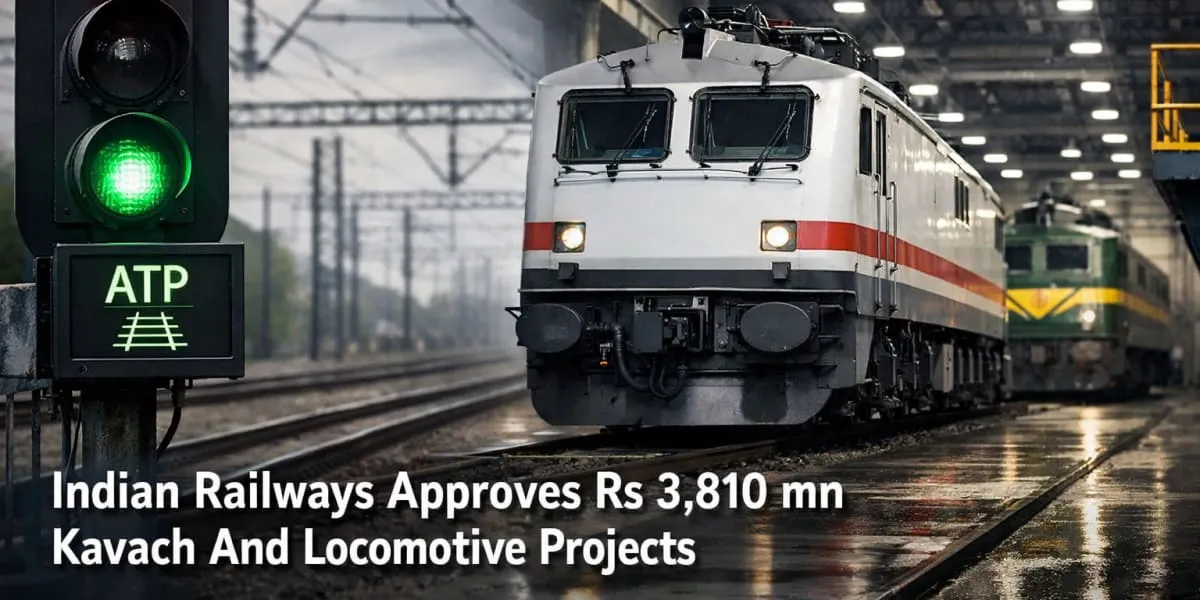
Indian Railways Approves Rs 3,810 mn Kavach And Locomotive Projects
RAILWAYS & METRO RAIL

Indian Railways Approves Rs 3,810 mn Kavach And Locomotive Projects

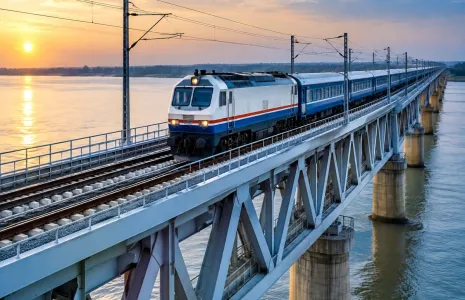
Indian Railways has approved projects worth Rs 3,810 mn to strengthen safety systems and expand electric locomotive maintenance infrastructure. The approvals cover deployment of the indigenous Kavach Automatic Train Protection (ATP) system on key Northern Railway routes and the creation of additional homing facilities for locomotives at Raipur. The combined investment aims to support growing passenger and freight traffic by improving operational efficiency and infrastructure resilience.

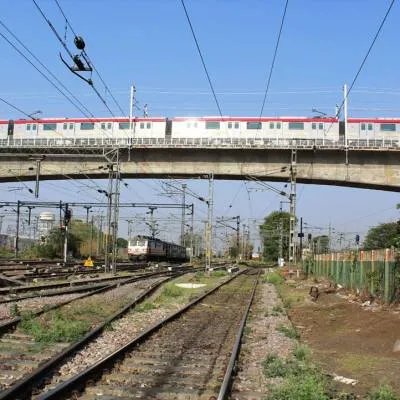
The larger project involves deployment of Kavach Version 4.0 across 680 route kilometres of the Rewari–Delhi and Shakurbasti–Bathinda sections, including feeder branch lines within the Delhi Division of Northern Railway. The scheme has been approved at a cost of Rs 2,060 mn and forms part of a nationwide rollout on high density and strategically important routes. The ministry described Kavach as India's indigenously developed Automatic Train Protection system designed to prevent signal passed at danger incidents and train collisions.

The other sanction allocates Rs 1,750 mn for additional homing facilities to accommodate 250 three-phase electric locomotives at the High Horse Power (HHP) Diesel Shed at Raipur under South East Central Railway. The project has been sanctioned to augment maintenance capability in line with the rapid expansion of the electric locomotive fleet and rising freight and passenger operations across the network. The ministry indicated that the new facilities will enable more efficient utilisation of existing depots while creating capacity for future technological enhancements.

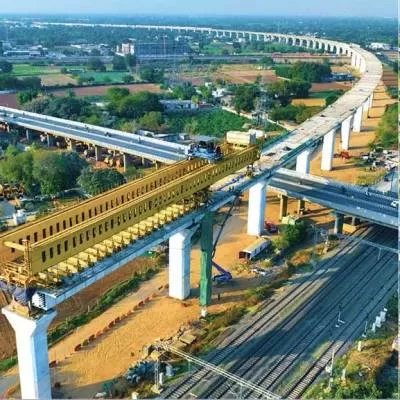
Both projects form part of Indian Railways' broader modernisation efforts to improve operational capabilities and meet the demands of an expanding rail network. Implementation will be coordinated by the ministry with relevant zonal and divisional units to ensure integration with traffic and maintenance schedules. The approvals are intended to provide safer, more reliable services and to support faster, technology driven movement of passengers and freight.

Indian Railways has approved projects worth Rs 3,810 mn to strengthen safety systems and expand electric locomotive maintenance infrastructure. The approvals cover deployment of the indigenous Kavach Automatic Train Protection (ATP) system on key Northern Railway routes and the creation of additional homing facilities for locomotives at Raipur. The combined investment aims to support growing passenger and freight traffic by improving operational efficiency and infrastructure resilience. The larger project involves deployment of Kavach Version 4.0 across 680 route kilometres of the Rewari–Delhi and Shakurbasti–Bathinda sections, including feeder branch lines within the Delhi Division of Northern Railway. The scheme has been approved at a cost of Rs 2,060 mn and forms part of a nationwide rollout on high density and strategically important routes. The ministry described Kavach as India's indigenously developed Automatic Train Protection system designed to prevent signal passed at danger incidents and train collisions. The other sanction allocates Rs 1,750 mn for additional homing facilities to accommodate 250 three-phase electric locomotives at the High Horse Power (HHP) Diesel Shed at Raipur under South East Central Railway. The project has been sanctioned to augment maintenance capability in line with the rapid expansion of the electric locomotive fleet and rising freight and passenger operations across the network. The ministry indicated that the new facilities will enable more efficient utilisation of existing depots while creating capacity for future technological enhancements. Both projects form part of Indian Railways' broader modernisation efforts to improve operational capabilities and meet the demands of an expanding rail network. Implementation will be coordinated by the ministry with relevant zonal and divisional units to ensure integration with traffic and maintenance schedules. The approvals are intended to provide safer, more reliable services and to support faster, technology driven movement of passengers and freight.

Related Stories

Gold Stories

Next Story
Infrastructure Transport

Tiruchi Airport Handles over 20 t of Domestic Cargo in a Month

Tiruchi International Airport has handled more than 20 t of inbound and outbound domestic cargo since the facility was launched in late August. Outbound shipments have exceeded inbound volumes, with private carriers transporting goods to Chennai, Delhi, Bengaluru and Mumbai. The domestic cargo service began after the Bureau of Civil Aviation Security (BCAS), an independent department under the Ministry of Civil Aviation, granted clearance. The facility was introduced to give local businesses a faster route for sending goods to major domestic hubs, reducing their reliance on cargo routed throug..
Next Story
Infrastructure Urban

Gabriel India Forms Joint Venture with Forvia for Advanced Seating

Gabriel India, part of the US$2.6 bn Anand Group, has formed a joint venture with France-based Forvia to bring advanced seating systems and technologies to the Indian automotive market. The partnership expands Gabriel India’s participation in vehicle systems as automotive architectures become more sophisticated and customer requirements evolve. The joint venture, named Faurecia Anand Seating India, combines Forvia’s global seating technology expertise with Gabriel India’s manufacturing capabilities, customer relationships and understanding of the Indian automotive market. Forvia will hol..
Next Story
Infrastructure Urban

Hical Technologies, Safran to Explore Rafale Systems Joint Venture

Hical Technologies has signed a Memorandum of Understanding (MoU) with Safran Aerosystems to explore establishing a joint venture for manufacturing complex systems for the Dassault Rafale programme in India. The Bengaluru-based precision electromechanical manufacturer said the proposed venture would support the production of advanced equipment for Rafale aircraft delivered under the Make in India initiative. The proposed operations would include complex fluid and fuel systems and related assemblies. The agreement is intended to expand the role of Indian industry in global aerospace and defence..

Advertisement

Subscribe to Our Newsletter

Get daily newsletters around different themes from Construction world.

STAY CONNECTED

Advertisement

SPECIAL OFFER
QR Code