Maha Metro And PMC Finalise Vanaz Chandni Chowk Extension Plans
RAILWAYS & METRO RAIL

Maha Metro And PMC Finalise Vanaz Chandni Chowk Extension Plans

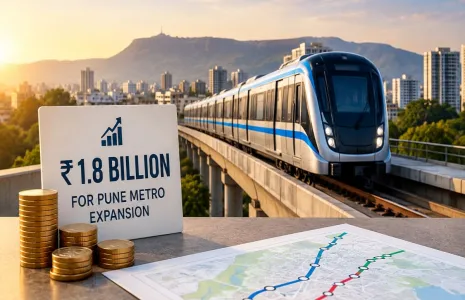
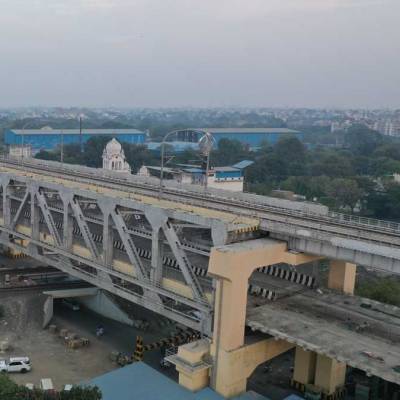
Maharashtra Metro Rail Corporation Limited and the Pune Municipal Corporation undertook joint site inspections last week along the proposed Vanaz–Chandni Chowk metro extension to assess alignment, station locations and infrastructure requirements before construction. The exercise covered a one point four kilometre stretch that forms part of the approved Phase II expansion.

The extension is planned to include two stations, one near the Kothrud depot and another at Chandni Chowk, and is expected to improve connectivity to a major western entry point of Pune. Officials reviewed platform siting and station access to ensure integration with existing roads and public transport nodes.

Teams examined the alignment of the metro viaduct, station entries and exits, and the interaction with surface traffic, paying attention to pedestrian movement and drop off and pick up zones. Assessments also covered utilities, footpath continuity and commuter access points to minimise disruption once services commence.

A key option under consideration is a double decker flyover carrying vehicular traffic on the lower level with the metro viaduct above to optimise limited right of way and address congestion at Chandni Chowk. Plans include a pedestrian overbridge across the Katraj Dehu Road bypass to improve safe access to the proposed station.

The inspections formed part of preparatory work ahead of tendering and the appointment of a construction agency, with design finalisation required before on ground work begins. Early coordination between civic and metro agencies was said to be essential to reduce construction related disruption and to avoid costly design changes during execution.

Local stakeholder engagement during the visits brought resident input into the design process, particularly on connectivity across the bypass and maintaining traffic flow during works. The Vanaz–Chandni Chowk link, though short, is considered strategically significant for extending the east west Aqua Line beyond Vanaz and enhancing last mile connectivity.

Maharashtra Metro Rail Corporation Limited and the Pune Municipal Corporation undertook joint site inspections last week along the proposed Vanaz–Chandni Chowk metro extension to assess alignment, station locations and infrastructure requirements before construction. The exercise covered a one point four kilometre stretch that forms part of the approved Phase II expansion. The extension is planned to include two stations, one near the Kothrud depot and another at Chandni Chowk, and is expected to improve connectivity to a major western entry point of Pune. Officials reviewed platform siting and station access to ensure integration with existing roads and public transport nodes. Teams examined the alignment of the metro viaduct, station entries and exits, and the interaction with surface traffic, paying attention to pedestrian movement and drop off and pick up zones. Assessments also covered utilities, footpath continuity and commuter access points to minimise disruption once services commence. A key option under consideration is a double decker flyover carrying vehicular traffic on the lower level with the metro viaduct above to optimise limited right of way and address congestion at Chandni Chowk. Plans include a pedestrian overbridge across the Katraj Dehu Road bypass to improve safe access to the proposed station. The inspections formed part of preparatory work ahead of tendering and the appointment of a construction agency, with design finalisation required before on ground work begins. Early coordination between civic and metro agencies was said to be essential to reduce construction related disruption and to avoid costly design changes during execution. Local stakeholder engagement during the visits brought resident input into the design process, particularly on connectivity across the bypass and maintaining traffic flow during works. The Vanaz–Chandni Chowk link, though short, is considered strategically significant for extending the east west Aqua Line beyond Vanaz and enhancing last mile connectivity.

Next Story
Technology

India Data Centre Market to Cross USD 22 Bn by 2030: Vestian

India’s data centre market is projected to more than double from around USD 10 billion in 2025 to USD 22 billion by 2030, according to a latest report by Vestian. The growth is expected to be driven by rising cloud adoption, expanding AI workloads and increasing demand for data-intensive digital services.Vestian noted that the global data centre sector is witnessing rapid expansion, with current installed capacity estimated at 40–50 GW and projections exceeding 100 GW by 2030. Within this evolving landscape, India is emerging as a strategic hub in the Asia-Pacific region, supported by its ..

Next Story
Real Estate

Retail Leasing Hits 4.3 Mn Sq Ft in H2 2025: ANAROCK RELEAP 2026

India’s retail real estate market recorded a total retail absorption of around 4.3 million sq ft across the top seven cities in H2 2025, reflecting steady leasing activity despite a dynamic market environment, according to ANAROCK Retail’s flagship report, RELEAP 2026.The report highlights a structural shift in the sector as organised retail moves beyond transactional formats toward experience-led spaces that combine shopping, entertainment and dining. Apparel emerged as the leading category driving leasing demand during the period, followed by entertainment, hypermarkets/supermarkets, and..

Next Story
Building Material

Berger Paints Launches ‘Garmi Gone, Thandak On’ Cooling Range

Berger Paints India has launched its Home Cooling Paints Range along with a nationwide campaign titled ‘Garmi Gone, Thandak On’, as rising temperatures continue to pose growing challenges for households across India.The company said the campaign promotes smarter and energy-efficient cooling solutions by focusing on preventing heat from entering homes rather than relying solely on air conditioning. Berger Paints stated that a significant amount of heat enters homes through walls, rooftops and structural openings, making surface protection an important factor in reducing indoor discomfort du..

Advertisement

Subscribe to Our Newsletter

Get daily newsletters around different themes from Construction world.

STAY CONNECTED

Advertisement

Advertisement

Advertisement