+
Northeast Frontier Railway Expands Cashless Services
RAILWAYS & METRO RAIL

Northeast Frontier Railway Expands Cashless Services

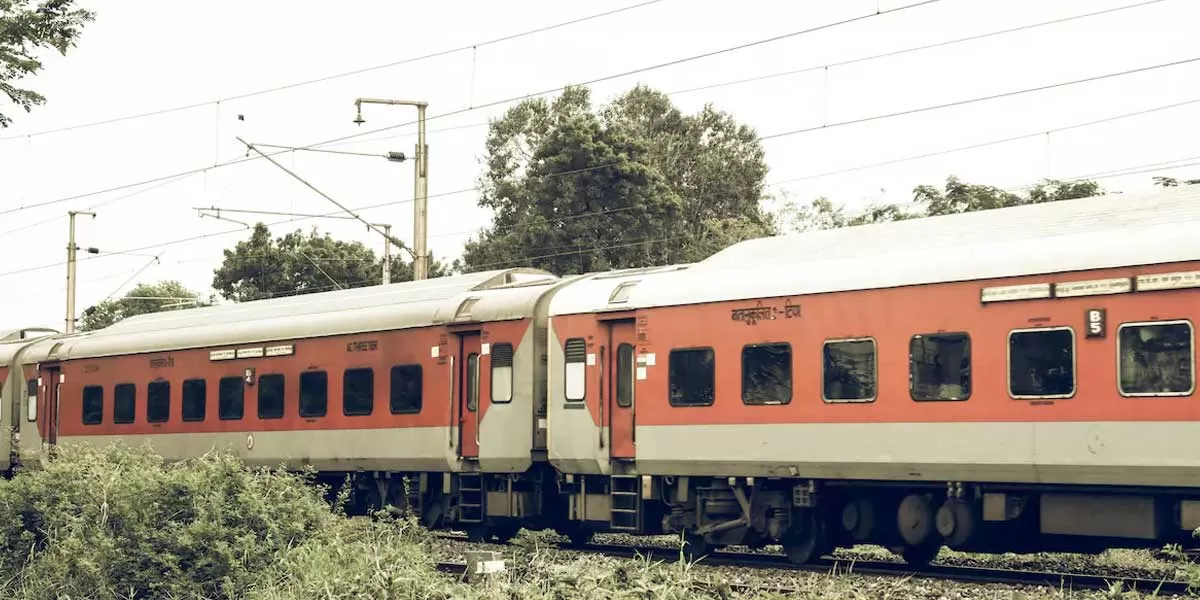
The Northeast Frontier Railway (NFR) has implemented cashless transactions at 588 booking counters across its network, making it easier for passengers to book tickets without relying on cash. This initiative aligns with India’s push toward digital payment adoption, aimed at improving convenience and efficiency within the railway sector. With the expansion of cashless options, passengers can now use various digital payment modes, including UPI, debit and credit cards, and digital wallets, to secure bookings at these counters.

This move is expected to streamline booking processes, reduce queues, and minimize the handling of physical currency, contributing to a safer and more hygienic booking experience. It also aligns with the broader goal of the Indian Railways to encourage cashless transactions across its services, which can help improve financial transparency and reduce cash-related administrative burdens. As more travelers become comfortable with digital payments, the NFR anticipates an increase in cashless transactions, leading to greater operational efficiency.

The introduction of cashless facilities in the Northeast Frontier Railway zone is part of a series of initiatives by Indian Railways to enhance passenger experience and modernize services. With increasing digital infrastructure across the railway network, such initiatives are also expected to support the government’s vision of a "Digital India."

The Northeast Frontier Railway (NFR) has implemented cashless transactions at 588 booking counters across its network, making it easier for passengers to book tickets without relying on cash. This initiative aligns with India’s push toward digital payment adoption, aimed at improving convenience and efficiency within the railway sector. With the expansion of cashless options, passengers can now use various digital payment modes, including UPI, debit and credit cards, and digital wallets, to secure bookings at these counters. This move is expected to streamline booking processes, reduce queues, and minimize the handling of physical currency, contributing to a safer and more hygienic booking experience. It also aligns with the broader goal of the Indian Railways to encourage cashless transactions across its services, which can help improve financial transparency and reduce cash-related administrative burdens. As more travelers become comfortable with digital payments, the NFR anticipates an increase in cashless transactions, leading to greater operational efficiency. The introduction of cashless facilities in the Northeast Frontier Railway zone is part of a series of initiatives by Indian Railways to enhance passenger experience and modernize services. With increasing digital infrastructure across the railway network, such initiatives are also expected to support the government’s vision of a Digital India.

Next Story
Infrastructure Urban

Implementation Status of Jal Jeevan Mission

Since August 2019 the Government has implemented Jal Jeevan Mission to provide assured potable water through household tap connections in rural India. At the start of the mission only 32.3 million (mn) rural households, representing 16.7 per cent, were reported to have tap water connections. States and union territories have reported that 125.8 mn additional rural households have since been provided with tap connections. As a result, of about 193.6 mn rural households roughly 158.2 mn, or 81.71 per cent, are reported to have tap water supply at home.\n\nThe State, district and village level st..

Next Story
Infrastructure Urban

Jal Jeevan Mission Reaches Eighty One Per Cent Rural Coverage

The Government reported substantial progress under the Jal Jeevan Mission, launched in August 2019 to provide tap water to every rural household. At launch only 32.3 million (mn) rural households had tap connections and states and Union territories reported provision of 125.8 mn additional households by March 2026. Consequently, out of about 193.6 mn rural households around 158.2 mn, or 81.71 per cent, are reported to have tap water at home. The Finance Minister announced extension of the mission until 2028 in the 2025-26 budget speech. The Swachh Bharat Mission Grameen, launched in October 20..

Next Story
Infrastructure Urban

Empowering Local Governance for Sustainable Rural Water Supply

The Ministry of Jal Shakti has aligned the Jal Jeevan Mission (JJM) with the 73rd Amendment to strengthen village level planning and community ownership of water supply. Gram Panchayats, village water and sanitation committees and Pani Samitis are to plan, implement, manage and maintain piped water systems, with gram sabha processes formalising handover and oversight. Implementation support agencies including non government organisations, community based organisations and self help groups have been empanelled to train local committees and promote women participation. Under JJM, the department ..

Advertisement

Subscribe to Our Newsletter

Get daily newsletters around different themes from Construction world.

STAY CONNECTED

Advertisement

Advertisement

Advertisement