Swachh Bharat Mission Grameen Phase II Emphasises ODF Plus
WATER & WASTE

Swachh Bharat Mission Grameen Phase II Emphasises ODF Plus

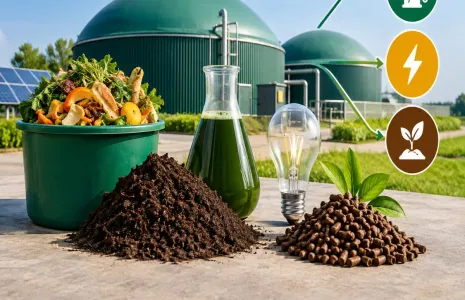
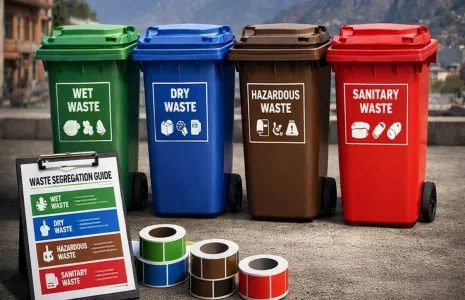
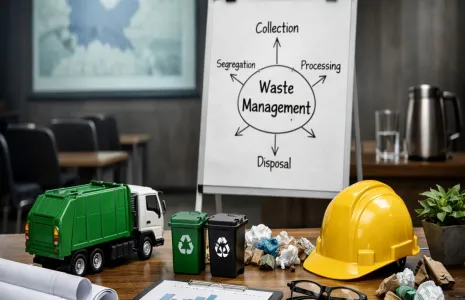
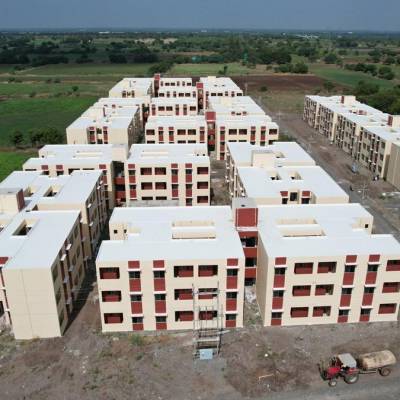
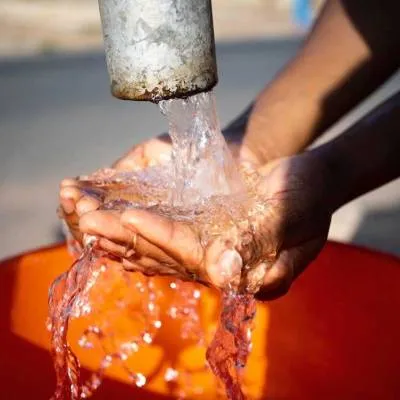
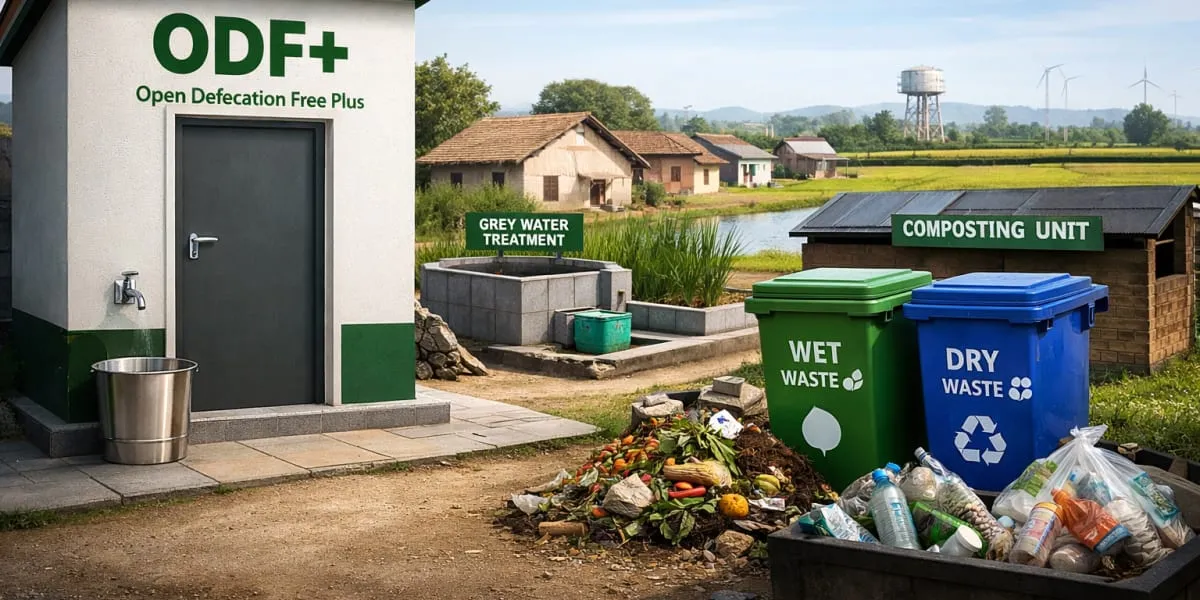
Swachh Bharat Mission (Grameen) Phase II is being implemented from 2020–21 to 2026–27 with a focus on sustaining open defecation free status and converting villages to ODF Plus model villages. According to data reported by States and Union territories on the Integrated Management Information System of SBM(G) as on 10 February 2026, the programme covers a total of 586,944 villages, of which 496,180 have been declared ODF Plus. The records show arrangements for solid waste management in 529,231 villages and for liquid waste management in 546,487 villages.\n\nSanitation remains a state subject and the Phase II design emphasises both infrastructure and behavioural change to secure sustained improvements in hygiene and cleanliness. Information, education and communication is integral to the programme and underpins outreach by promoting community participation or Jan Bhagidari. The approach is intended to strengthen community ownership of assets created under the programme and to sustain visual cleanliness and other indicators of village sanitation.\n\nUnder Phase II, States and Union territories are expected to develop and implement their own IEC campaigns and to amplify central initiatives so as to reach district, block and village levels. The campaigns focus on sanitation, hygiene and waste management components to broaden engagement and improve practices. For IEC and capacity building activities expenditure of up to five per cent of total project funds is permissible, with up to two per cent to be used at the central level and up to three per cent at the State and district level.\n\nThe information was provided by the Minister of State for Jal Shakti, V. Somanna, in a written reply to a question in the Lok Sabha. Annexure one attached to the response sets out State and Union territory wise counts as reported on IMIS of SBM(G) as on 10 February 2026.

Swachh Bharat Mission (Grameen) Phase II is being implemented from 2020–21 to 2026–27 with a focus on sustaining open defecation free status and converting villages to ODF Plus model villages. According to data reported by States and Union territories on the Integrated Management Information System of SBM(G) as on 10 February 2026, the programme covers a total of 586,944 villages, of which 496,180 have been declared ODF Plus. The records show arrangements for solid waste management in 529,231 villages and for liquid waste management in 546,487 villages.\n\nSanitation remains a state subject and the Phase II design emphasises both infrastructure and behavioural change to secure sustained improvements in hygiene and cleanliness. Information, education and communication is integral to the programme and underpins outreach by promoting community participation or Jan Bhagidari. The approach is intended to strengthen community ownership of assets created under the programme and to sustain visual cleanliness and other indicators of village sanitation.\n\nUnder Phase II, States and Union territories are expected to develop and implement their own IEC campaigns and to amplify central initiatives so as to reach district, block and village levels. The campaigns focus on sanitation, hygiene and waste management components to broaden engagement and improve practices. For IEC and capacity building activities expenditure of up to five per cent of total project funds is permissible, with up to two per cent to be used at the central level and up to three per cent at the State and district level.\n\nThe information was provided by the Minister of State for Jal Shakti, V. Somanna, in a written reply to a question in the Lok Sabha. Annexure one attached to the response sets out State and Union territory wise counts as reported on IMIS of SBM(G) as on 10 February 2026.

Next Story
Real Estate

Integrated Waterproofing Strategies

Waterproofing buildings used to be an annual pre-monsoon affair but the evolution of real-estate development has changed that approach. In new developments, developers are weaving waterproofing solutions into both the design and construction phases, an approach that Nikhil Madan, Managing Director, Mahima Group, says, “is all about ensuring lasting durability [of the building] and keeping lifecycle risks including water seepage and extensive maintenance to a minimum.”Watertight by designAluminium formwork systems aren’t commonly thought of as a waterproofing tool but at the Mahima Group,..

Next Story
Infrastructure Urban

GROHE Showcases Water-Led Design At Milan

GROHE unveiled its GROHE SPA Aqua Sanctuary at Milan Design Week 2026, transforming Piccolo Teatro Studio Melato into an immersive showcase of water, design and wellbeing. Built on the philosophy of ‘Wellbeing Through Water’, the installation reimagined bathrooms as holistic spaces for relaxation, rejuvenation and self-care.The Aqua Sanctuary was presented through three interconnected sanctums. The first showcased the 3D-printed GROHE SPA AquaTree shower and faucet, highlighting bespoke innovation and biophilic design. The second featured the Atrio Private Collection and GROHE SPA x Buster..

Next Story
Infrastructure Transport

Rahee Group Expands Rail Manufacturing Capacity

Rahee Group has outlined a multi-year investment roadmap to expand its operational footprint and strengthen manufacturing capabilities for India’s growing railway and urban transit sector. The Group is expanding in Odisha with a new Track Component Casting Unit, for which the groundbreaking ceremony was held on 8 April 2026 in the presence of Odisha Chief Minister Mohan Charan Majhi.The Group’s flagship EPC arm, Rahee Infratech Ltd, continues to focus on complex rail infrastructure projects, including track systems, bridges, viaducts and ballastless infrastructure. Its wholly owned subsidi..

Advertisement

Subscribe to Our Newsletter

Get daily newsletters around different themes from Construction world.

STAY CONNECTED

Advertisement

Advertisement

Advertisement

-->