India's Digital Infrastructure Adopted by 12 Countries
ECONOMY & POLICY

India's Digital Infrastructure Adopted by 12 Countries

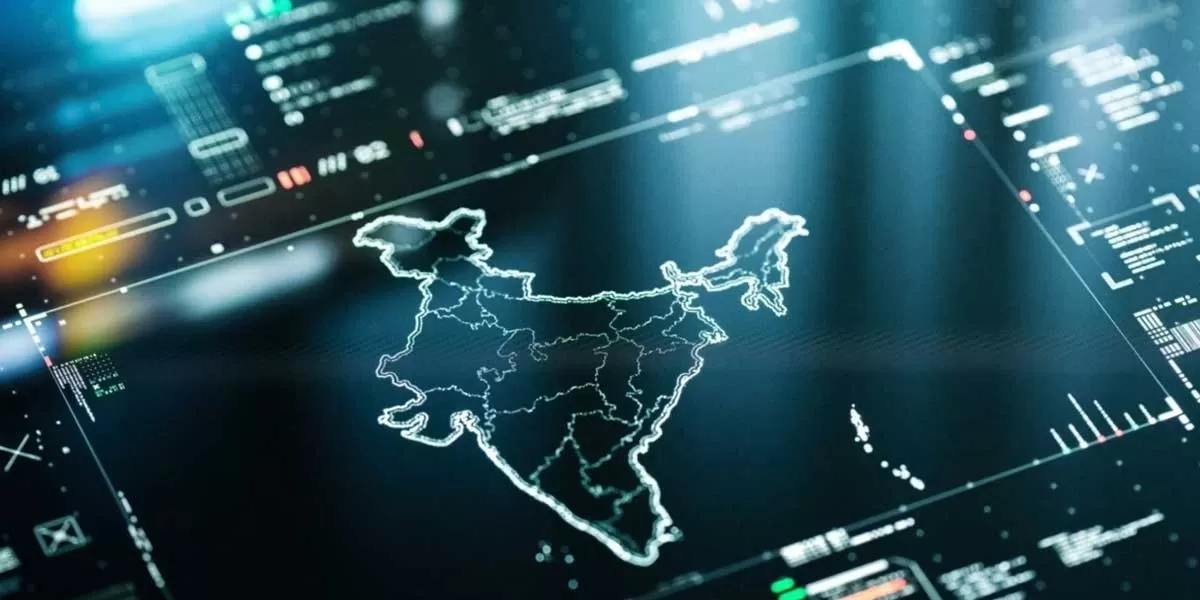
India's digital public infrastructure has gained significant recognition, with twelve countries now deploying its systems to enhance their e-governance and digital service frameworks. This development underscores the effectiveness and scalability of India's technological innovations, which have been designed to improve service delivery and streamline data management for governments and citizens alike. The adoption of these systems reflects a growing global trend toward digitalization in governance, enabling countries to harness technology for better public services.

The digital infrastructure, which includes initiatives like the Unique Identification Authority of India (UIDAI) and the Digital India program, provides a robust foundation for various government services, ranging from identity verification to financial inclusion. These systems have proven instrumental in increasing transparency, reducing bureaucratic inefficiencies, and promoting citizen engagement in governance.

The official overseeing the initiative noted that the international adoption of India's digital framework signifies a vote of confidence in the country's technological advancements. Collaborating with other nations offers opportunities for knowledge exchange and innovation in public service delivery. By sharing its experiences and best practices, India positions itself as a leader in digital governance, fostering international partnerships that can enhance global development.

This trend not only showcases India's capabilities in the technology sector but also opens avenues for economic cooperation and trade in the digital space. As more countries implement similar digital systems, the potential for improved governance and citizen services expands, reflecting the importance of digital public infrastructure in the modern world. India's success in this arena is a testament to its commitment to leveraging technology for societal benefits and contributing to global digital transformation efforts.

"Join industry leaders at RAHSTA Expo, India's premier platform for roads, highways and traffic infrastructure. Register now to explore innovations, network with experts and shape the future of mobility."

India's digital public infrastructure has gained significant recognition, with twelve countries now deploying its systems to enhance their e-governance and digital service frameworks. This development underscores the effectiveness and scalability of India's technological innovations, which have been designed to improve service delivery and streamline data management for governments and citizens alike. The adoption of these systems reflects a growing global trend toward digitalization in governance, enabling countries to harness technology for better public services. The digital infrastructure, which includes initiatives like the Unique Identification Authority of India (UIDAI) and the Digital India program, provides a robust foundation for various government services, ranging from identity verification to financial inclusion. These systems have proven instrumental in increasing transparency, reducing bureaucratic inefficiencies, and promoting citizen engagement in governance. The official overseeing the initiative noted that the international adoption of India's digital framework signifies a vote of confidence in the country's technological advancements. Collaborating with other nations offers opportunities for knowledge exchange and innovation in public service delivery. By sharing its experiences and best practices, India positions itself as a leader in digital governance, fostering international partnerships that can enhance global development. This trend not only showcases India's capabilities in the technology sector but also opens avenues for economic cooperation and trade in the digital space. As more countries implement similar digital systems, the potential for improved governance and citizen services expands, reflecting the importance of digital public infrastructure in the modern world. India's success in this arena is a testament to its commitment to leveraging technology for societal benefits and contributing to global digital transformation efforts.

Next Story
Infrastructure Urban

ABS Marine Sees CRISIL Credit Rating Upgrade

ABS Marine Services has secured an upgrade to its long term and short term credit ratings from CRISIL, reflecting improved profitability and revenue growth through long term contracts. CRISIL moved the long term rating from BBB+/Stable to A-/Stable and revised the short term rating from A2 to A2+. The action signals strengthened financial metrics and operational resilience. The company benefited from durable client relationships with firms such as ONGC and Schlumberger. The rating decision followed stronger cash flows and an enlarged bank loan facility, which increased from Rs 3,705 million (m..

Next Story
Infrastructure Transport

Project BRAHMANK Marks 16 Years Of Strategic Roads In Arunachal

Project BRAHMANK is marking 16 years of work to establish strategic road and bridge links across Arunachal Pradesh, maintaining and developing 811 kilometres of roads and nearly 86 bridges that range from small culverts to large steel and arch bridges. These transport links are described as critical for ensuring year-round movement of defence personnel, equipment and essential supplies while improving everyday travel for people in remote villages. The project balances national security requirements with regional development by focusing on reliable access in challenging terrain. Notable enginee..

Next Story
Infrastructure Transport

Longleng CSOs Give One Week Ultimatum Over Two-Lane Highway

Civil society organisations (CSOs) in Longleng district have demanded immediate restoration of the deteriorating Changtongya–Longleng two-lane road and sought a detailed status report on the stalled construction within one week. The demand followed a consultative meeting convened under the Phom Peoples' Council (PPC) to discuss welfare and development concerns. PPC president YB Angam Phom said prolonged non-maintenance had caused hardship to commuters and affected transportation, local commerce and the district's development. The meeting urged authorities to undertake immediate restoration a..

Advertisement

Subscribe to Our Newsletter

Get daily newsletters around different themes from Construction world.

STAY CONNECTED

Advertisement

Advertisement

Advertisement